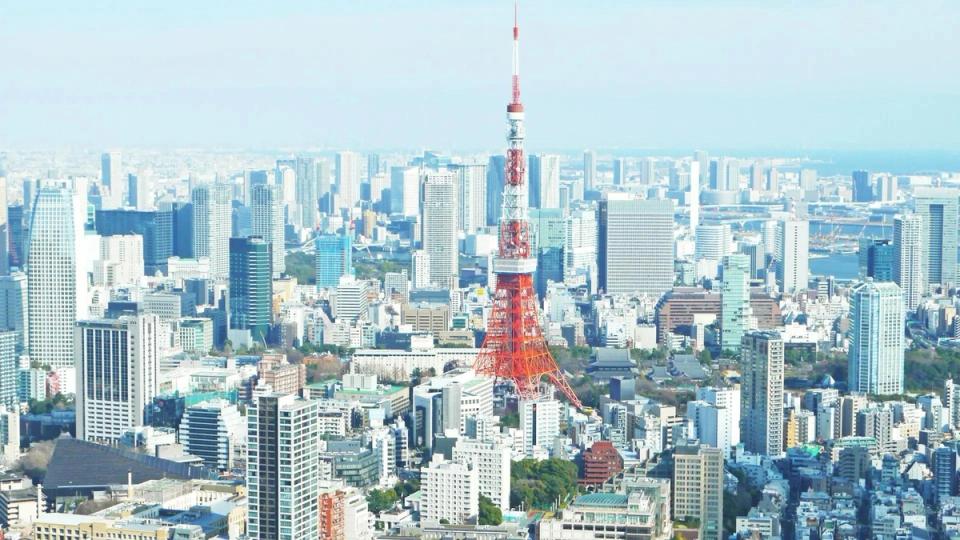
Tokyo’s cabinet chamber, fluorescent lights humming, as ministers rubber-stamp crypto’s new chains.
Japan moves to classify cryptocurrencies as financial products. Yeah, you read that right—the land of precise regulation is yanking crypto out of the ‘payment toy’ bin and shoving it into the Financial Instruments and Exchange Act. Stocks? Bonds? Now crypto joins the club. Effective maybe 2027, if parliament plays ball.
Short version: insider trading banned. Issuers must cough up annual disclosures. Penalties? Ten years in the slammer or 10 million yen fines—about $62,800—for running unregistered. Up from a measly three years before.
Why the Sudden Glow-Up for Crypto?
Japan’s been soft on crypto since Mt. Gox imploded a decade ago. Treated it like digital cash under the Payment Services Act—focus on custody, AML, exchange licenses. Fine for basics. But now? They’re aping securities rules. Why? Officials spout ‘expanding capital supply,’ ‘market fairness,’ ‘investor protection.’ Sounds noble. Smells like control.
Take Minister Satsuki Katayama’s presser gem:
“expand the supply of growth capital in response to changes in the financial and capital markets, ensuring market fairness, transparency, and the protection of investors.”
Sure, Minister. Because nothing screams ‘growth capital’ like slapping securities oversight on volatile tokens. (Eye roll audible.)
Here’s the thing.
This isn’t just paperwork. The Securities and Exchange Surveillance Commission gets turbocharged powers. They’ll prowl blockchains like hawks. No more Wild West—think Tokyo Stock Exchange vibes for Bitcoin.
But wait—crypto as ‘financial products’? That’s a stretch. Bitcoin’s not yielding dividends. Ethereum’s no bond. It’s redefining assets to fit the mold, not the other way around.
Will Japan’s Crypto Rules Actually Protect Investors—or Just Scare Them Off?
Investor protection’s the rallying cry. Post-FTX, post-Luna, who blames them? Japan lost billions in Mt. Gox—$460 million vanished. Lessons learned? Apparently, regulate harder.
Stricter penalties hit unlicensed operators hardest. Ten years prison? That’s not a slap; it’s a sledgehammer. Fines sting too—10 million yen could bankrupt a small exchange.
Yet here’s my unique dig: this mirrors 1990s Japan, when bubble-burst stock regs choked nascent tech firms, pushing talent to Silicon Valley. Bold prediction—watch Japanese crypto startups bolt to Singapore or Dubai by 2028. Tokyo’s PR spin calls it ‘fairness’; I’ll call it a talent drain waiting to happen. History rhymes, folks.
And disclosures? Annual reports for issuers. Great for transparency—until you’re a DeFi protocol dodging VCs. Crypto thrives on pseudonymity; this kills it.
Skeptical? Damn right. Government’s framing this as evolution. I see overreach. Crypto’s global—Japan’s 4% market share shrinks if rules bite too hard.
Japan’s shift isn’t isolated. EU’s MiCA looms. U.S. SEC plays whack-a-mole. But Japan’s precise— they’ll enforce. Exchanges like Bitflyer, already compliant-ish, sigh in relief. Startups? Sweat.
Insider trading ban—duh, overdue. But applying stock rules to memecoins? Absurd. Imagine jailing a trader for tweeting Pump Fun tips.
Is Tokyo’s Move a Crypto Innovation Killer?
Look, fairness matters. But at what cost? Crypto drew Japan post-2017 boom—first G20 nation to legalize exchanges. Now this.
Pro: Capital markets integration could lure institutions. Pension funds eyeing BTC ETFs? Maybe.
Con: Stifles experimentation. Stablecoins as ‘products’? Yield farms under disclosure? Nightmare.
Dry humor alert: Japan’s fixing crypto by making it… boring. Like turning sake into non-alcoholic beer.
And enforcement? SESC with ‘broader authority’ means audits, probes, fines. Small players flee. Big ones (Binance?) comply or quit.
My take—hype the protection, ignore the exodus. We’ve seen it: China’s 2021 ban birthed VPN trades. Japan’s subtler cage might birth offshore hubs.
Wrapping the why: cabinet approved draft amendment. Nikkei flagged it. Parliament next. Fiscal 2027 start, but prep now.
The Global Ripple
Singapore smirks—pro-crypto haven status strengthens. U.S.? Gensler jealous of Japan’s clarity. But clarity’s double-edged—predictable pain.
For devs: build compliant or GTFO. For traders: kiss insider edges goodbye.
Japan’s betting regulation breeds maturity. I’m betting it breeds lawyers.
🧬 Related Insights
- Read more: Bitcoin Whale Dumps $20M to Binance: Panic or Prudence?
- Read more: Americans Are Using AI to Save Money—But There’s a Catch
Frequently Asked Questions
What does classifying crypto as financial products mean in Japan?
It shifts oversight to the Financial Instruments Act, adding bans on insider trading, mandatory disclosures, and harsher penalties like 10-year prison terms.
When will Japan’s new crypto rules take effect?
Potentially fiscal 2027, pending parliament approval this session.
Will Japan’s crypto laws apply to foreign exchanges?
Primarily targets domestic ops, but unregistered foreign activity could face fines or blocks—extraterritorial reach murky.