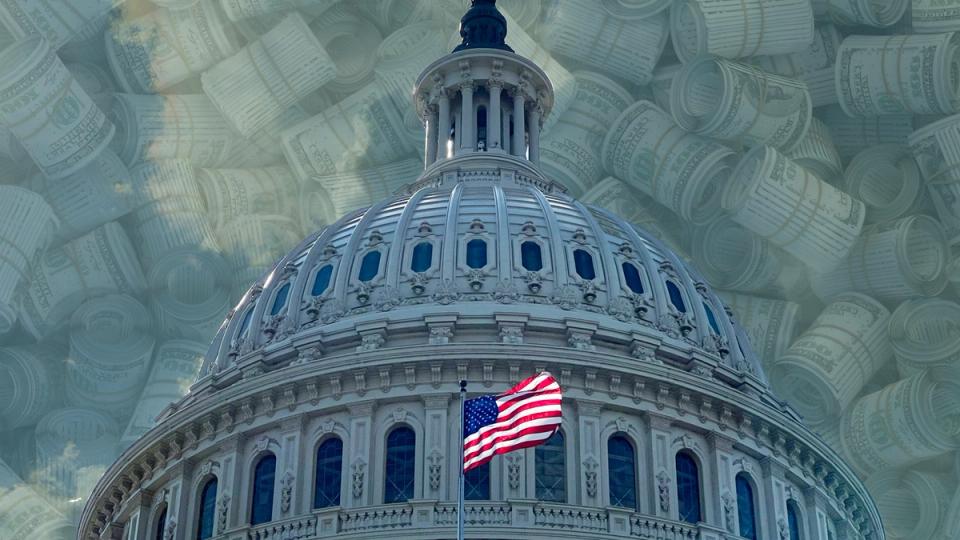
Money talks. And in Texas, it’s talking crypto.
The recent Texas primary runoffs saw a significant influx of cash from cryptocurrency-focused Political Action Committees (PACs), resulting in victories for several candidates they backed. This isn’t merely a footnote in state-level politics; it’s a calculated, well-funded push by the digital asset industry to secure allies in strategically important political arenas. The implications for future regulation and industry growth could be substantial, especially as these elected officials ascend the political ladder.
The Architects of Influence: How the Money Flowed
When we talk about crypto’s lobbying efforts, it’s easy to visualize isolated events. But what’s happening here is a more systematic, architectural approach. Take, for instance, the nearly $8 million Protect Progress, an affiliate of the Fairshake super PAC, reportedly funneled into Texas. This isn’t just about endorsing a candidate; it’s about actively dismantling opposition. The group spent heavily to support a winner while simultaneously pouring funds into campaigns against incumbents perceived as hostile to the industry. That’s a dual-pronged strategy designed for maximum impact, a far cry from a simple donation. Firms like Ripple and Coinbase are putting their money where their political mouths are, underwriting these aggressive campaigns.
And it’s not just one faction. Fellowship PAC, bankrolled by entities like Cantor Fitzgerald and Anchorage Digital, also contributed, albeit on a smaller scale, demonstrating a coordinated, albeit multi-faceted, effort. This broad-based funding, from various corners of the crypto ecosystem, suggests a unified front on Capitol Hill—or in this case, the Texas State Capitol—aiming to counter narratives and regulatory headwinds they perceive as detrimental. The $500,000 boost for Paxton in the Senate runoff, for example, highlights a focus on crucial state-level races that can have ripple effects.
Is Nature Really Healing?
Dennis Porter, a bitcoin policy advocate, tweeted a rather evocative sentiment after a pro-crypto Democrat ousted a long-term incumbent: “Nature is healing.” This isn’t just colorful rhetoric; it’s a direct reference to what many in the crypto industry view as a systemic effort by traditional financial regulators and government agencies—dubbed “Operation Choke Point 2.0”—to systematically sideline or strangle digital asset businesses. The implication is that these election wins represent a pushback, a reassertion of the industry’s right to exist and operate without what they see as undue, politically motivated obstruction. It’s a narrative of correction, of restoring a perceived natural order where innovation isn’t stifled by entrenched interests.
While much of Fairshake’s broader spending has leaned Republican, the victory of a pro-crypto Democrat like Menefee is particularly significant. It demonstrates an ability to penetrate ideological divides, securing support across the political spectrum where it matters most for industry policy. The explicit grading system used by Stand With Crypto, assigning an ‘F’ to opponents like Al Green and favoring those supportive of digital assets, underscores this targeted approach. It’s about identifying, supporting, and electing individuals who will champion their cause, irrespective of party affiliation where possible.
Prediction markets had strongly favored the crypto-aligned challengers heading into election day. Contracts on regulated and crypto-native platforms implied odds of over 90% that both Paxton and Menefee would prevail, with nearly $15 million reportedly traded on markets tied specifically to the Paxton vs Cornyn runoff.
The fact that prediction markets, functioning like real-time polls driven by financial incentives, showed such strong confidence in these outcomes speaks volumes. Millions traded on the very likelihood of these crypto-backed wins, a proof to the perceived importance and potential impact of these races. It’s a sophisticated mechanism that anticipates political shifts based on capital allocation, offering a glimpse into the industry’s strategic foresight.
The Underlying Architecture of Political Power
What we’re witnessing isn’t just about campaign finance; it’s about a fundamental shift in how industries seek to influence policy. These PACs are not mere donors; they are architects of political infrastructure, meticulously identifying battlegrounds, candidates, and messaging that resonate. They’ve learned that direct advocacy, while important, needs to be buttressed by electoral success.
The strategy is clear: gain use by electing sympathetic voices. This isn’t unique to crypto, of course. Every major industry grapples with political influence. But the crypto industry, often seen as a disruptive force, is now playing the established game with remarkable speed and sophistication. They are building a constituency, not just a customer base.
This brings us to a critical juncture. As these newly elected officials begin their terms, the real work for the crypto industry begins. Will they be able to effectively translate their electoral victories into tangible policy changes? Or will the weight of traditional lobbying and regulatory structures prove too formidable? The answer will reveal much about the evolving landscape of political influence in the digital age.
🧬 Related Insights
- Read more: FDIC’s Stablecoin Ruleset: From Wild West to Guarded Vault Overnight
- Read more: Privacy is Crypto’s Next Killer App: $1B+ Raised
Frequently Asked Questions
What is Stand With Crypto’s stance on Al Green?
Stand With Crypto assigned Al Green an ‘F’ rating due to his strong opposition to industry-backed legislation, indicating he was not considered supportive of digital asset innovation.
How much did crypto PACs spend in the Texas runoffs?
Protect Progress, an affiliate of Fairshake, reported spending approximately $5 million to support Menefee and an additional $2.8 million opposing Green. Fellowship PAC reported roughly $500,000 in spending to boost Paxton.
Are prediction markets reliable for political outcomes?
Prediction markets can offer strong indicators of expected outcomes, as seen with the high implied odds for the crypto-aligned candidates in the Texas runoffs. They reflect financial bets on the likelihood of events, often incorporating sophisticated analysis and sentiment.