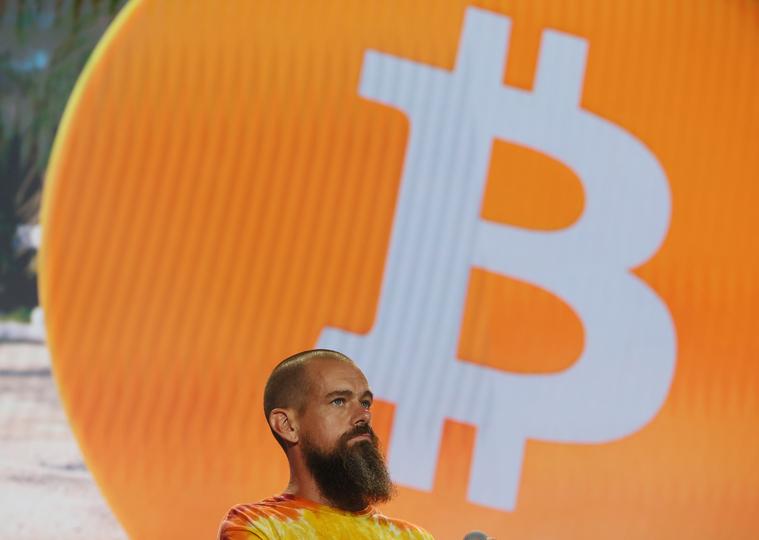
Did you ever wonder if Jack Dorsey, the man who once declared Bitcoin the only cryptocurrency worth building for, would actually embrace stablecoins? It turns out, customer demand is a powerful force, even for the most ardent ideologues. Block’s Cash App, a financial playground for nearly 60 million users, is now rolling out support for USDC stablecoin payments, marking a significant, albeit reluctant, strategic shift for the company. This isn’t just a feature addition; it’s a quiet, architectural recalibration of how digital dollars flow through one of the most ubiquitous payment apps in the United States.
The rollout, confirmed by a source familiar with the matter, is happening in phases, with 25% of users already getting access and the remaining 75% slated to receive it by the end of this week. This isn’t some distant promise; it’s live, now.
The Unlikely Marriage: Bitcoin Maximalism Meets Stablecoin Pragmatism
For years, Jack Dorsey’s narrative around cryptocurrency has been laser-focused on Bitcoin. His company, Block (formerly Square), has invested heavily in Bitcoin mining hardware, integrated BTC into Cash App, and championed the idea of Bitcoin as a global, open-source monetary network. The narrative was simple: Bitcoin is the future, and everything else is a distraction, or worse. This new integration, however, treats stablecoins not as an investment vehicle but strictly as a payment rail. Think of it less like a vault and more like a superhighway for digital fiat. Users can deposit USDC from external accounts to fund their Cash App balance or withdraw funds as stablecoins, utilizing the blockchain as a transaction layer, plain and simple.
“I don’t like that we’re going to support stablecoins but our customers want to use them,” Dorsey stated in March. “I don’t think it’s wise to go from one gatekeeper to another.”
This quote, while laced with his characteristic caution, betrays the underlying pragmatism that’s now driving Block’s strategy. The “gatekeeper” comment is particularly telling. It suggests a deep-seated concern about centralized control within the stablecoin ecosystem, a world away from the decentralized ideal of Bitcoin. Yet, here we are.
Beyond Ethereum: Embracing a Multi-Chain Future
What’s particularly fascinating is which blockchains Cash App is supporting. It’s not just a single, dominant Ethereum layer-2. The integration includes USDC on Solana, Ethereum, Polygon, and Arbitrum. This is a clear signal that Block isn’t just dipping its toes into stablecoins; it’s building out a flexible payment infrastructure capable of leveraging the strengths and reach of multiple blockchain networks. For developers and users who’ve championed these alternative chains, this represents a significant validation. It moves Block beyond its ideological Bitcoin bubble and into the broader fintech landscape where interoperability and diverse technological stacks are becoming the norm.
This multi-chain approach also highlights the architectural choices Block has made. Instead of building its own proprietary blockchain solution or forcing users onto a single, unproven network, it’s opting for a modular, plug-and-play model. This allows them to tap into the existing liquidity and user bases of these established blockchains. It’s a smart play, reducing the upfront development cost and accelerating time-to-market.
The Fine Print: What Users Need to Know
Now, before everyone starts dreaming of instant, borderless wealth transfer, there are caveats. Block is imposing strict transaction limits: $2,000 daily and $5,000 weekly for sending, with a $10,000 weekly limit for receiving. These are not figures designed for large-scale remittances or speculative trading; they’re engineered for everyday commerce and peer-to-peer transactions. Furthermore, users must understand that blockchain transactions are irreversible. Send funds to the wrong address or an unsupported network, and they’re gone forever. This is a critical piece of user education that Block must aggressively push, especially to its massive, and potentially less crypto-native, user base. The feature also isn’t available in New York—a nod to ongoing regulatory complexities—or for sponsored accounts.
My unique insight here? This move by Block isn’t just about appeasing customers; it’s a calculated step towards becoming a dominant player in the infrastructure of digital currency, not just the ownership of it. By facilitating stablecoin transactions across multiple rails, Block is positioning itself as a neutral utility provider in a landscape that’s rapidly moving beyond single-asset narratives. They’re building the roads, and letting people drive whatever car they choose. It’s a subtle but profound shift from championing a specific currency to enabling a broader digital economy.
The Path Forward for Block and Cash App
The long-term implications of this stablecoin integration are substantial. It positions Cash App as a formidable competitor to other payment apps that are also exploring crypto integrations. Moreover, it could pave the way for Block to introduce more sophisticated financial products and services that use stablecoins, such as lending, staking, or even cross-border payments that bypass traditional banking infrastructure entirely. It’s a strategic deepening of their financial ecosystem, one that acknowledges the current realities of the digital asset market, even if it means making peace with technologies that were once viewed with skepticism. The embrace of stablecoins, while perhaps begrudging, signals Block’s evolving ambition to capture a larger share of the global digital financial services market, one transaction at a time.
🧬 Related Insights
- Read more: Coinbase’s Stablecoin Bet: Why a Senate Deal on Yield Could Reshape Crypto’s Future
- Read more: AI Agents Will Soon Control Your Money: Circle & Coinbase Build the Rails
Frequently Asked Questions
What does Block’s Cash App stablecoin rollout mean for users? Users can now send and receive USDC stablecoins within Cash App, using various blockchains as a payment rail for everyday transactions.
Will this replace Bitcoin on Cash App? No, this is an addition to existing Bitcoin features. Cash App is adding stablecoin payment capabilities, not replacing Bitcoin, which remains a core offering.
Can I use this feature in all US states? No, the feature is currently unavailable in New York and for sponsored accounts.