![Cash App Expands USDC to Solana, Ethereum [Analysis] — Fintech Dose](/og-image.svg)
Here’s the thing: Cash App just dropped support for sending USDC stablecoins not just on Ethereum, but also on the blazing-fast Solana network, plus Polygon and Arbitrum. This isn’t a trivial update. It represents a deliberate step beyond their well-publicized Bitcoin-centric strategy, injecting a much-needed dose of multi-chain flexibility into the hands of millions of users who previously saw crypto primarily through a BTC lens.
Think about the user experience for a moment. For so long, the narrative around Cash App and crypto has been singular: buy, sell, hold, and send Bitcoin. Simple. Contained. Now, we’re seeing a strategic pivot, or at least a significant widening of the aperture. Allowing USDC transfers across these diverse chains — each with its own ecosystem and transaction characteristics — suggests a recognition that user needs (and potentially future revenue streams) extend far beyond a single digital asset. It’s about utility, and the ability to move value where it’s needed, frictionlessly.
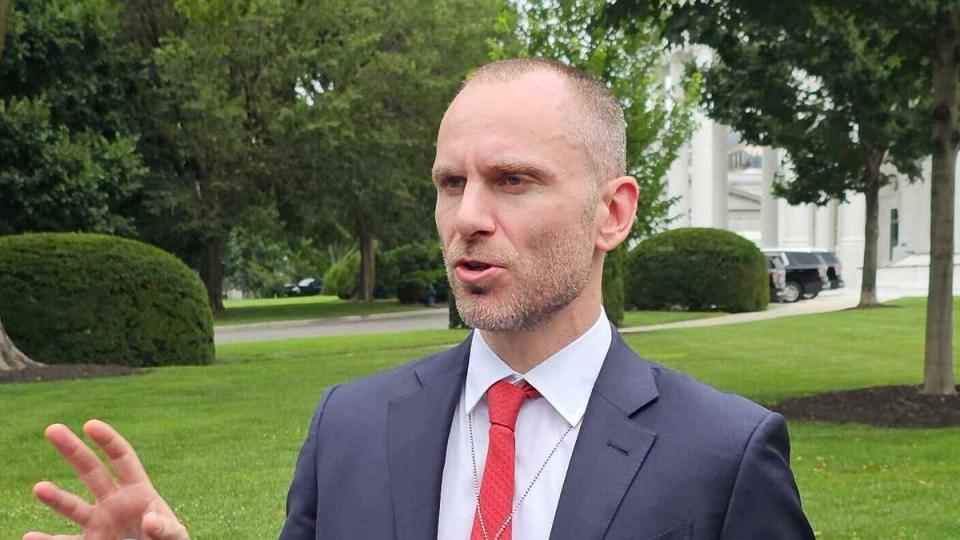
Of course, Miles Suter, a Cash App executive, was quick to reaffirm the firm’s ongoing commitment to Bitcoin. “We’re still very bitcoin-focused,” he stated. This is standard corporate messaging, designed to reassure the existing user base and signal continuity. But let’s be clear: you don’t build out infrastructure for multiple high-throughput, low-fee blockchains like Solana and layer-2 solutions like Arbitrum just to keep it a Bitcoin-only club. This is a strategic play for broader adoption and integration within the decentralized finance (DeFi) landscape, even if it’s being framed cautiously.
Why This Matters for Mainstream Crypto Adoption
This move by Cash App, owned by Block (formerly Square), is a powerful indicator. They’ve consistently demonstrated an ability to onboard retail users into the crypto space, often with a simplified interface that belies the underlying complexity. Adding multi-chain stablecoin support means that users can now interact with a wider array of DeFi applications, participate in potentially higher-yield opportunities on other networks, or simply send stable value to friends and family on different platforms without the usual kludgy workarounds.
The numbers speak for themselves. Cash App boasts a user base that dwarfs many traditional financial institutions. Giving these millions access to stablecoins on networks renowned for their speed and low costs isn’t just an upgrade; it’s a potential catalyst for mainstream adoption of these specific blockchains and stablecoins themselves. It’s a bridge, albeit a cautiously guarded one, from the familiar world of peer-to-peer payments to the burgeoning universe of decentralized finance.
“This is about giving our customers more choice and flexibility in how they manage and move their money digitally.”
This quote, while seemingly innocuous, is the key. It’s not about building a new crypto exchange; it’s about enhancing the existing payment utility. Stablecoins, by their nature, are designed for practical, everyday transactions. By integrating them across multiple chains, Cash App is effectively saying they want to be the ubiquitous digital wallet that can handle more than just fiat or Bitcoin.
Is This a Threat to Bitcoin’s Dominance? Hardly.
Let’s not overstate this. Cash App’s continued emphasis on Bitcoin is likely a smart move. Bitcoin remains the undisputed king of digital assets in terms of brand recognition, institutional adoption, and perceived security. The infrastructure for Bitcoin transfers is strong and well-understood by their user base. However, the expansion into USDC on other chains signals a pragmatic approach to revenue diversification and user engagement. Why limit yourself if the technology and market demand are there?
This is less about dethroning Bitcoin and more about building a comprehensive digital financial ecosystem. For Block, it’s about capturing more of the user’s digital dollar, regardless of the underlying blockchain. It’s a strategic positioning move, preparing for a future where users might need to move assets across a patchwork of interconnected blockchains with varying strengths. The Solana integration, in particular, is noteworthy given its focus on high throughput and low transaction fees, making it an attractive network for high-volume stablecoin transfers.
The Road Ahead: More Chains, More Stablecoins?
Given the success of similar integrations by other fintech players, it’s reasonable to expect Cash App to continue this trajectory. We could see support for additional stablecoins, perhaps even more diverse token types, and further expansion onto other popular blockchains. The underlying trend is clear: users want smoothly, multi-chain functionality, and fintech companies are increasingly pressured to deliver it. The question isn’t if this trend will continue, but rather how fast and how far Cash App (and others like it) will push the envelope.
It’s a calculated expansion, one that balances the established dominance of Bitcoin with the growing utility and user demand for other digital assets and networks. For now, though, the message is loud and clear: Cash App is no longer just about Bitcoin. It’s becoming a broader digital money hub.