Alright folks, let’s cut through the noise. For weeks, the chatter was all about Bitcoin hitting new highs, driven by… well, frankly, by a lot of speculative froth and a misplaced belief it was some sort of digital gold safe from all earthly woes. We heard about institutional adoption, about the halving, about all the usual talking points designed to get retail investors to FOMO into the next moonshot. And then reality, as it so often does, smacked everyone upside the head.
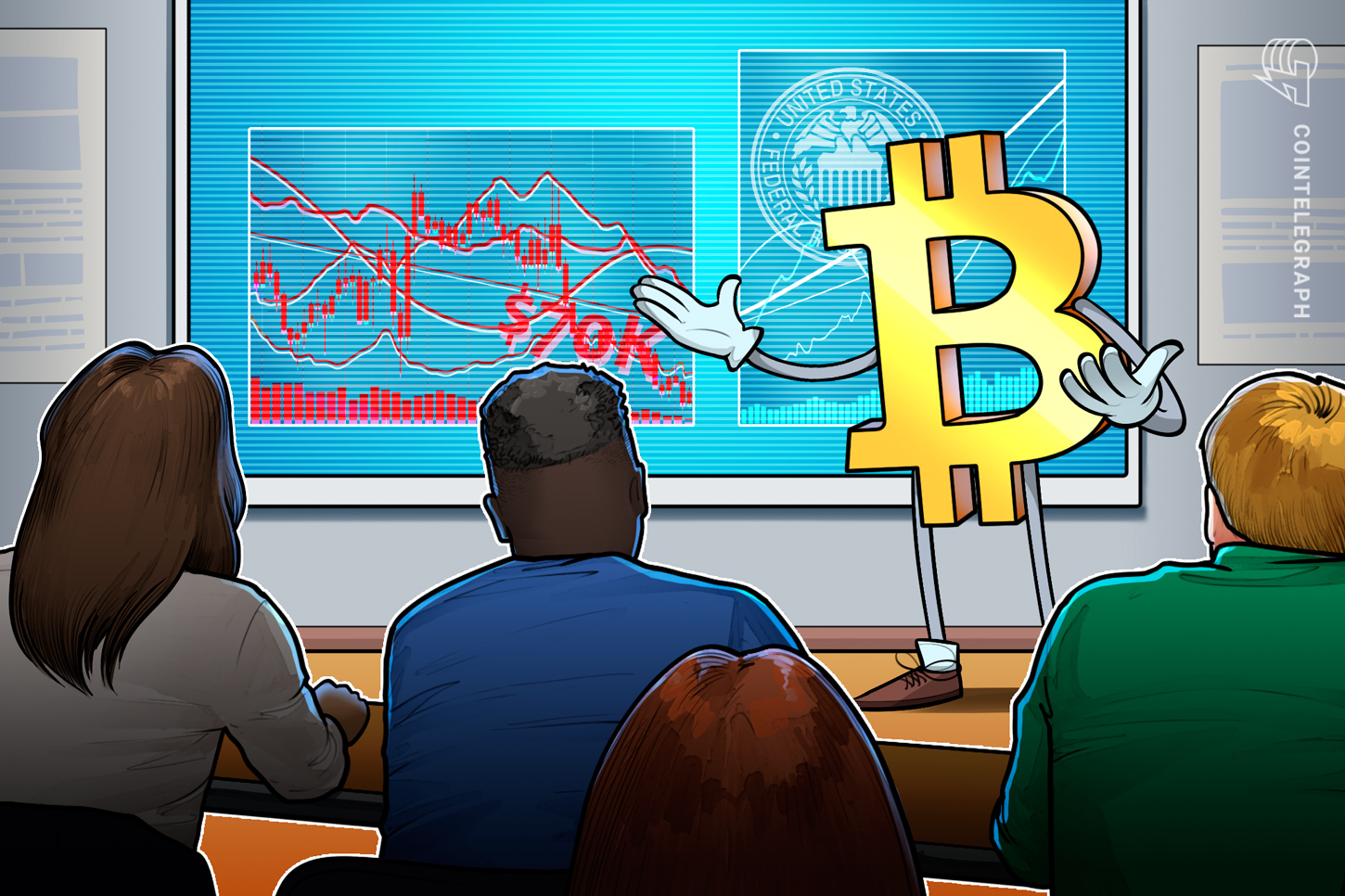
Bitcoin, the supposed hedge against inflation and geopolitical instability, has gone and done the unthinkable: it’s tanking. Not just a little dip, mind you. We’re talking a slide below $79,000, looking less like digital gold and more like a particularly volatile tech stock. And guess what? The article points out it’s acting like a volatile tech stock, specifically mimicking the Russell 2000 index. For those unfamiliar, that’s the index for the little guys, the smaller companies often on thinner ice when the economic winds pick up. Not exactly the bastion of stability one associates with a supposed safe haven.
So, what’s the excuse this time? Beyond the usual “macro fears,” which is code for “we don’t really know but the talking heads are nervous,” we’ve got the Iran situation escalating. Oil prices are doing that delightful dance upwards, which usually means inflation gets a kick in the pants, and central banks start getting fidgety about raising rates again. All of this paints a pretty grim picture for anything that’s considered a ‘risk-on’ asset. Which, apparently, includes Bitcoin now.
Is Bitcoin Really a ‘Risk-On’ Asset?
It’s a question that’s been debated for years, and this latest price action is a rather unflattering answer. The funding rates on perpetual futures are cratering, meaning traders aren’t exactly lining up to bet on a rally. They’re more likely taking profits or cutting losses, especially with the weekend looming and headlines screaming about war. It’s the kind of sentiment that makes you wonder if the entire narrative of Bitcoin as a recession-proof asset was, shall we say, a tad premature. The Shiller P/E ratio for the S&P 500 is apparently flirting with dot-com bubble territory. This isn’t exactly a roaring endorsement of the current market exuberance, and Bitcoin, caught in the downdraft, is proving it’s no exception to the broader market’s jitters.
When the Bonds Break, Where Does the Money Go?
Now, here’s where things get interesting – and where this whole narrative takes a sharp turn from pure doom and gloom. While everyone’s panicking about stocks and Bitcoin and oil prices, there’s another market experiencing its own little apocalypse: fixed income. That’s right, the safe haven of government bonds is being abandoned. Why? Because of that pesky inflation. Yields are soaring to levels not seen in years. Investors, bless their risk-averse hearts, are yanking their money out of bonds because the returns aren’t keeping pace with inflation, and frankly, the whole economic outlook is making them sweat.
So, where does all that freshly exited cash go? Well, the article posits that it might eventually find its way back into Bitcoin. It’s counterintuitive, I know. It’s like saying a hurricane will help clear the air. But consider this: if bonds are no longer offering a safe, predictable return, and the broader market is still too volatile for comfort, investors might start looking for anywhere else to park their capital. And Bitcoin, despite its current performance, is still on the radar for many looking for uncorrelated or high-potential returns. It’s a gamble, for sure, but with traditional avenues becoming less attractive, the lure of digital assets, even a battered Bitcoin, might become stronger.
This is where the real question lies: who actually benefits if this fixed-income outflow trend continues and finds its way into crypto? Is it the average retail investor who got burned in this recent dip, or is it the whales and institutions who can weather the storm and scoop up cheap Bitcoin? My money – and given my beat, that’s saying something – is on the latter. The PR machine will spin this as a sign of Bitcoin’s resilience, but let’s be clear: it’s the big players who profit from these dramatic swings. They’re the ones who can afford to buy the dip while everyone else is panicking.
Outflows from fixed-income investments will eventually seek gains elsewhere. Hence, the shaky economic conditions might ultimately benefit Bitcoin in the medium term.
Right now, Bitcoin is acting like a canary in the coal mine for the broader macro environment. It’s sensitive to every tremor, every headline. The hope, the argument being made here, is that this sensitivity will eventually cut both ways. As the traditional financial world gets shakier, and investors scramble for alternatives, the narrative around Bitcoin as a potential store of value, or at least a high-growth asset, could re-emerge. It’s a shaky thesis, built on a foundation of fleeing bondholders and the eternal hope for higher returns, but it’s the only lifeline anyone seems to be dangling.
So, while the immediate pain is real and the correlation with small-cap stocks is a harsh reality check, keep an eye on those fixed-income markets. Because if that money has to go somewhere, Bitcoin might just get its second wind – whether it deserves it or not.
🧬 Related Insights
- Read more: XRP’s Secret Shield Against the Quantum Storm — Bitcoin’s in the Crosshairs
- Read more: Marshall Islands’ Blockchain Sovereign Debt Hits Anchorage Custody
Frequently Asked Questions
What is Bitcoin’s current price? Bitcoin’s price is highly volatile and changes rapidly. As of the last reported data, it had fallen below $79,000.
Why is Bitcoin’s price falling? Bitcoin’s recent decline is attributed to macroeconomic fears, including inflation concerns, geopolitical uncertainty (like the Iran conflict), and its correlation with riskier assets like small-cap stocks.
Could outflows from fixed-income investments help Bitcoin? The theory is that as investors flee government bonds due to rising inflation and yields, some of that capital might seek higher returns in riskier assets like Bitcoin over the medium term.