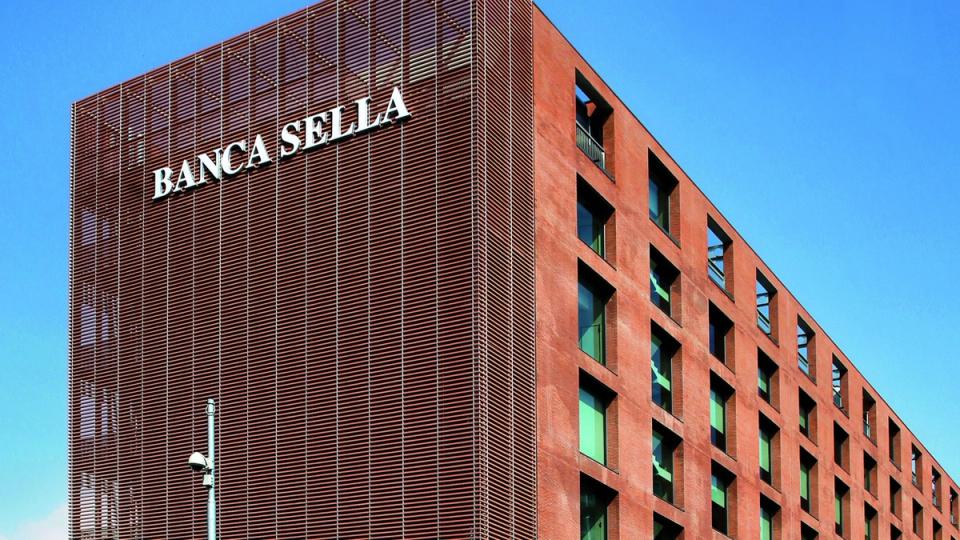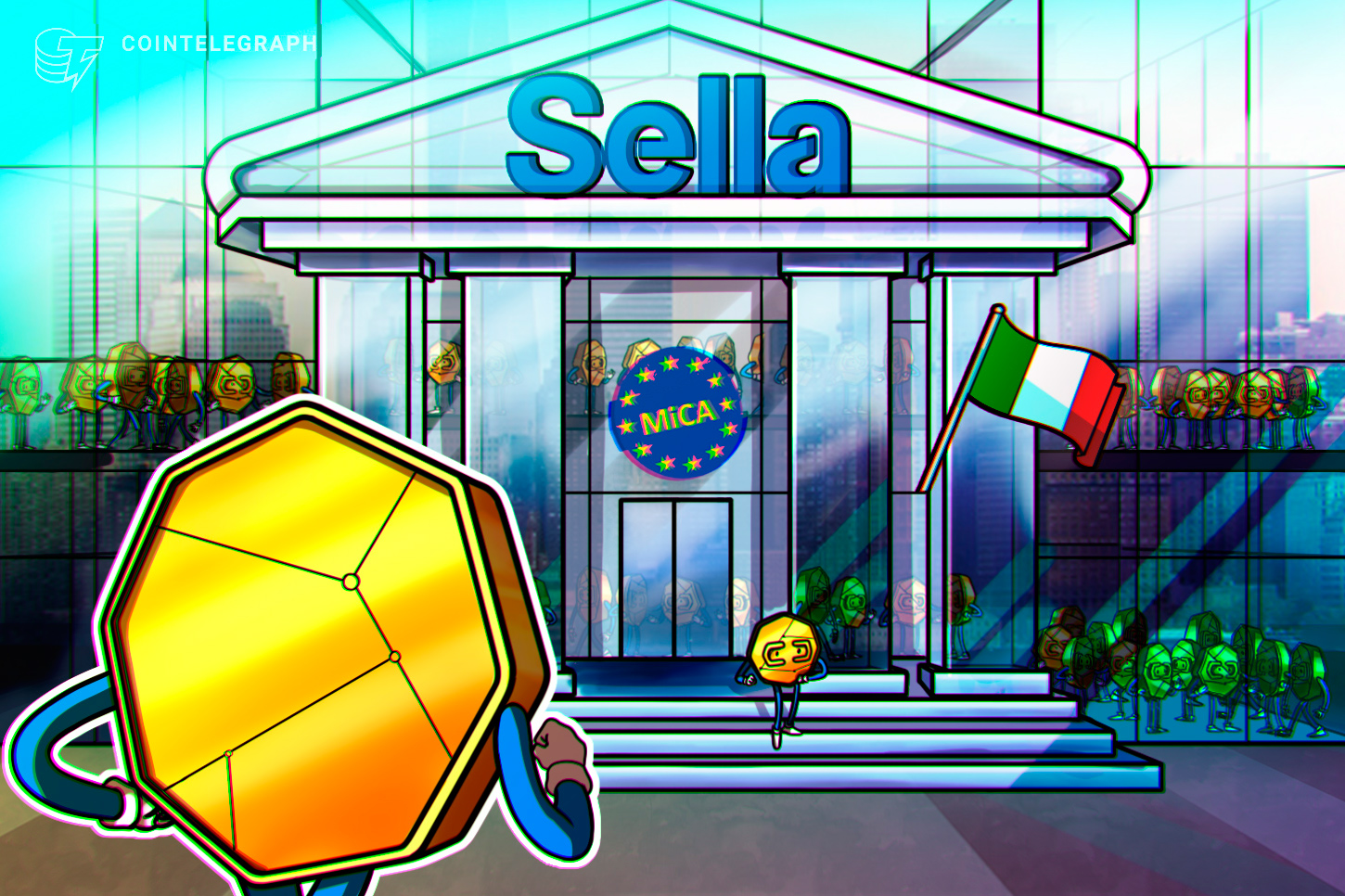
The Italian banking giant, Banca Sella, has just announced it’s received the green light under the European Union’s comprehensive Markets in Crypto-Assets (MiCA) regulation. Translation: they’re now officially cleared to offer crypto-related services across the bloc. This isn’t exactly out of left field; Sella’s been dipping its toes in these digital waters for a while.
Remember that distributed ledger technology pilot program pushed by the Bank of Italy’s Fintech Milano Hub back in 2022? Sella was there. They’ve even gone and built an internal team dedicated to DLT and digital assets. And as if that weren’t enough, they’re one of the 37 European banks kicking the tires on Qivalas, a consortium aiming to issue its own euro-denominated stablecoin.
And let’s not forget Hype, Sella’s popular digital banking offshoot. It’s been quietly integrating Bitcoin wallet services for years, largely thanks to a partnership with an Italian crypto firm called Conio. Conio claims their first banking integration went live with Hype way back in March 2020, allowing everyday folks to buy, sell, send, and receive digital assets right from their app. A quick peek at Hype’s current website confirms it: you can create a wallet, then buy, sell, or exchange Bitcoin without leaving the app. Pretty straightforward, if you’re into that sort of thing.
Now, who’s actually making money here? Banca Sella, in its infinite wisdom, reported around 1.3 million customers in 2024. Its digital brand, Hype, boasts a larger user base at roughly 1.7 million. This MiCA approval isn’t just a compliance exercise; it’s a clear signal that established financial institutions are looking to legitimize and expand their crypto offerings. The question remains, however, whether this will translate into significant new revenue streams or simply a more complex compliance burden for an already crowded market.
My unique insight? This whole MiCA approval is less about explosive growth and more about risk mitigation for traditional banks. They’re playing catch-up, attempting to bring crypto activities under a regulated umbrella before regulators like the SEC in the US make it an outright headache. It’s about co-opting the technology, not necessarily evangelizing it. They want to control the narrative, and the fees.
The Regulatory Dance: MiCA’s Impact
The EU’s MiCA framework is designed to bring much-needed clarity and consumer protection to the volatile world of crypto. For a bank like Banca Sella, obtaining MiCA clearance means navigating a complex set of rules around transparency, security, and consumer rights. It’s a significant undertaking, no doubt, but one that offers a distinct advantage over unregulated players. The real test will be how smoothly they can integrate these services without alienating their existing customer base or creating new points of failure.
Beyond Bitcoin: What’s Next?
While Bitcoin is the headline grabber, Sella’s involvement with Qivalas and its DLT team suggests a broader ambition. Stablecoins, in particular, are seen by many traditional institutions as a bridge between traditional finance and the digital asset economy. If Sella can successfully launch or support a euro-denominated stablecoin, it could open up new avenues for payments, remittances, and even DeFi integrations, all within a regulatory framework they helped shape.
The MiCA approval is not Banca Sella’s first connection to crypto. Banca Sella also said in the announcement that its MiCA approval follows its participation in a distributed ledger technology pilot promoted by the Bank of Italy’s Fintech Milano Hub in 2022.
This quote, while factually correct, paints a picture of cautious, incremental steps. It’s not the bold leap into the crypto unknown that some might imagine, but rather a calculated evolution of their existing digital strategy.
The real question, as always, is about profitability. Will customers flock to a regulated bank for their crypto needs, or will they continue to opt for specialized crypto exchanges and wallets? The 1.3 million Sella customers and 1.7 million Hype users represent a substantial potential market, but converting interest into tangible revenue will be the true measure of success. It’s a high-stakes game of chess, and the board is only just beginning to fill.
Will this move impact existing crypto exchanges?
MiCA approval for established banks like Banca Sella could indeed influence the competitive landscape for existing crypto exchanges. It legitimizes crypto services within traditional banking structures, potentially drawing some retail customers who prefer the perceived security and regulatory oversight of a bank. However, specialized exchanges often offer a wider range of tokens, more advanced trading features, and potentially lower fees, catering to a different segment of the market.
What are the risks for Banca Sella?
Banca Sella, like any institution venturing into crypto, faces inherent risks. These include market volatility of digital assets, potential for regulatory changes (even within MiCA’s framework), cybersecurity threats, and the challenge of educating both staff and customers about these new products and services. Ensuring strong compliance and risk management will be paramount to avoid reputational damage and financial losses.
How does MiCA protect consumers?
The Markets in Crypto-Assets (MiCA) regulation provides several layers of consumer protection. It mandates transparency from crypto-asset service providers regarding their services, fees, and risks. It also sets requirements for issuers of crypto-assets, particularly stablecoins, and establishes authorization and supervisory rules for crypto-asset service providers. This aims to reduce fraud, enhance security, and provide recourse for consumers in case of issues.