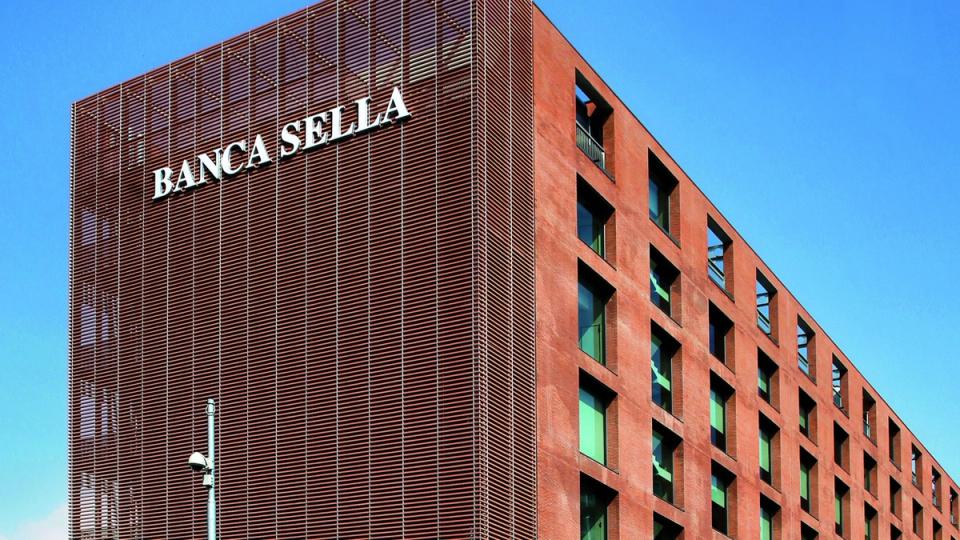
The hum of servers in a Milanese data center, a mundane sound in isolation, now represents a seismic shift for Italian finance. Banca Sella, a private bank with some 50 billion euros in assets under management, has just snagged a crucial green light from the Bank of Italy. This isn’t just another regulatory tick-box exercise; it’s the first time an Italian lender has been officially sanctioned under the European Union’s Markets in Crypto-Assets (MiCA) regulation to offer digital asset custody and transfers.
Here’s the meat of it: the bank completed a formal 40-day notification process, which clears the deck for them to roll out crypto services to clients later this year. Initially, plans focused on corporate clients, with a dedicated platform for custody, transfer, and receipt of digital assets slated for 2026. This move positions Sella squarely in the growing European cohort of banks embracing digital assets. We’re talking about roughly 20 major players already operating under MiCA, including heavy hitters like Commerzbank and LBBW in Germany, Société Générale FORGE in France, and BBVA in Spain. It’s becoming less of a niche offering and more of a standard compliance hurdle for forward-thinking financial institutions.
Why this matters now. The push by Banca Sella isn’t happening in a vacuum. It’s part of a broader European strategy to bolster financial autonomy and interoperability. Sella isn’t just dipping a toe in; they’re a founding member of the Qivalis stablecoin initiative, aiming to issue a euro-denominated stablecoin this year. Furthermore, their involvement in EU tokenization projects like Pontes and Appia underscores a commitment to building the bloc’s own digital financial infrastructure. Andrea Tessera, the bank’s managing director of digital banking, articulates this vision well:
“The evolution of payments toward instant, interoperable, and programmable models - also driven by the tokenization of currencies and assets - is redefining financial infrastructures at European and global level.”
This isn’t just about offering crypto trading. It’s about laying the groundwork for a future where digital assets are as commonplace as fiat currency, integrated into payment rails and settlement systems. The bank’s initial retail crypto forays through its Hype venture are distinct from this new corporate-facing infrastructure, which leans on a compliance partnership with blockchain intelligence firm Chainalysis and an internal digital asset pilot developed with Fireblocks. It suggests a tiered approach, starting with more sophisticated, regulated services for businesses before potentially broadening out.
Is this a MiCA game-changer for Italy?
MiCA, which fully comes into effect in December 2024, aims to create a unified regulatory framework for crypto-assets across the EU, enhancing consumer protection and market integrity. For a country like Italy, which hasn’t always been at the forefront of financial innovation, this approval for Banca Sella is a significant indicator. It signals that the Italian financial sector is actively engaging with the new regulatory landscape and preparing to compete within the broader European digital asset ecosystem. It’s a statement that Italy intends to be a player, not just a bystander, in the digital asset revolution.
Think of it this way: for years, the narrative around crypto in established banking has been one of apprehension, sometimes outright dismissal. Now, with MiCA providing a clear rulebook, we’re seeing a significant uptick in institutional adoption. Banca Sella’s move is a strong endorsement of this regulatory clarity. It’s the difference between building a fortress with uncertain building codes and constructing one with a comprehensive blueprint.
What’s the immediate impact on customers?
For the selected corporate clients Banca Sella is targeting, this means access to regulated digital asset services. This could translate into more efficient treasury management, novel ways to conduct cross-border transactions, and potentially participation in the burgeoning tokenized economy. The emphasis on custody and transfer suggests a focus on secure, compliant handling of digital assets, rather than speculative trading. For individual investors, the timeline and specific offerings remain less clear, though the bank’s previous work with Hype indicates a potential for future retail integration.
The bank’s strategy here is interesting. By starting with corporate clients and building out infrastructure with partners like Chainalysis and Fireblocks, Sella is minimizing immediate regulatory risk and building a solid foundation. This contrasts with some earlier, more ad-hoc approaches to crypto by other institutions. It’s a calculated move, leveraging existing compliance frameworks and proven technology providers to navigate a complex and rapidly evolving space.
The implications extend beyond just Banca Sella. This sets a precedent for other Italian financial institutions. As the market matures and demand for digital asset services grows, we can expect more Italian banks to seek similar approvals. It also strengthens the argument that regulated digital assets, underpinned by strong compliance and security, have a legitimate and growing place within traditional finance. It’s not about replacing existing systems overnight, but about carefully integrating new capabilities where they offer tangible benefits.
🧬 Related Insights
- Read more: Linux Copy Fail: CISA Flags ‘Insane’ Flaw on Watch List
- Read more: Strategy’s $65B Bitcoin Stash: A Deep Dive Into Its Biggest Buys
Frequently Asked Questions
What does MiCA regulation mean for banks? MiCA provides a harmonized legal framework across the EU for crypto-asset service providers, including banks, clarifying licensing requirements, operational standards, and consumer protection measures. This reduces regulatory fragmentation and provides legal certainty for institutions offering crypto services.
Will Banca Sella offer Bitcoin or Ethereum trading? While the announcement focuses on custody and transfer of digital assets, and Banca Sella is involved in stablecoin initiatives, the specific cryptocurrencies for trading or investment will depend on their future product roadmap and risk appetite. The initial focus appears to be on compliant infrastructure rather than speculative retail trading.
Is this the first time an Italian bank has dealt with crypto? While Banca Sella is the first to receive an explicit crypto services license under MiCA, other Italian financial institutions may have explored or offered indirect exposure to crypto-assets through other means previously. However, this MiCA approval signifies a formal, regulated pathway into providing direct crypto services.