Cartel Crypto Crackdown.
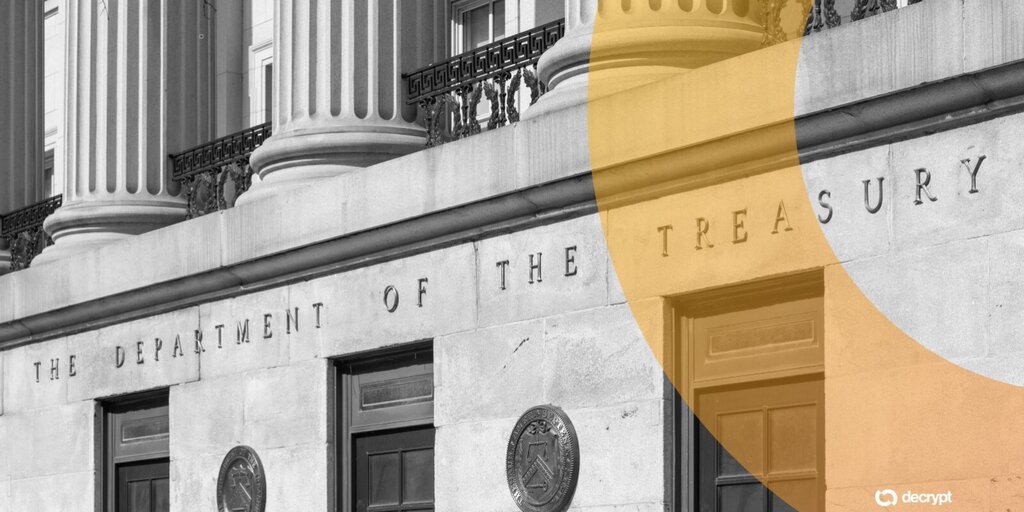
The U.S. Treasury isn’t messing around. They’ve just slapped sanctions on a bunch of individuals and entities tied to the Sinaloa Cartel. Why? Because these bad actors are apparently using crypto to move their fentanyl profits. You know, the poison that’s killing tens of thousands of Americans. This isn’t exactly a surprise, is it? We’ve been hearing about crypto for drug money for years. Now, Uncle Sam is finally drawing a line in the digital sand.
Operationally speaking, this is about cutting off the flow. The Treasury’s press release pointed a finger directly at Armando de Jesus Ojeda Aviles. He’s accused of being the mastermind, converting cold, hard cash into digital coins before sending them off to the cartel. His associate, Jesus Alonso Aispuro Felix, is also in the crosshairs for doing much the same via the blockchain. It’s a tidy little network they’ve built, one that the Treasury now aims to dismantle.
And what are they targeting? Six Ethereum addresses. Five of them apparently haven’t seen action in years. Old news. But one, ending in ‘e27cb,’ decided to get chatty on April 27th, sending $894 worth of Tether. USDT, of course. Because why use Bitcoin when you can use a stablecoin that’s… well, stable until it isn’t? The fact that it hadn’t moved in over a year before that transaction speaks volumes. It suggests a level of operational security, or perhaps just a dormant stash waiting for the right moment to be unleashed.
The violent Sinaloa Cartel is a U.S.-designated Foreign Terrorist Organization (FTO) responsible for a significant portion of the illicit fentanyl trafficked into the United States that kills tens of thousands of Americans each year.
This feels less like a groundbreaking investigative feat and more like finally playing catch-up. The Department of Justice reported seizing over $10 million in crypto from the cartel last year alone. A decade ago, the idea of cartels using Bitcoin was the stuff of speculative thrillers. Now, it’s a headline in the financial news. It’s the natural, albeit horrifying, progression of illicit finance meeting technological advancement. The Treasury is playing whack-a-mole, but the moles have GPUs.
What’s the unique insight here? This isn’t just about stopping drug money. It’s a stark indicator of the increasing sophistication of criminal enterprises and the growing pressure on regulators to keep pace. We’re no longer talking about anonymous, untraceable transactions. We’re talking about specific wallet addresses, tracked and frozen, even if they’ve been dormant for a spell. This signals a shift from general blockchain surveillance to more targeted, granular enforcement. It’s a war being fought on two fronts: the physical and the digital.
The press release trumpets this as a win for national security. “Treasury will continue to target terrorist cartels and their fentanyl trafficking networks to protect our communities and keep America safe,” Secretary of the Treasury Scott Bessent declared. Fine words. But are these sanctions truly a deterrent, or just a temporary inconvenience for an organization that’s proven remarkably resilient? The cartel’s ability to adapt and thrive, even after facing immense pressure, suggests that simply freezing a few digital wallets might be akin to putting a band-aid on a gaping wound.
And here’s the kicker: how many other wallet addresses are out there, sitting quietly, waiting to be deployed? This is the fundamental problem with cryptocurrencies. Even with sanctions, the underlying technology remains decentralized and permissionless. For every wallet frozen, another can be created. This dance between innovation and regulation is as old as finance itself, but the speed and scale of the crypto revolution present a uniquely challenging foe. It’s a race to stay ahead, and frankly, the cartels have a head start.
So, what’s next? More sanctions, no doubt. More reports from agencies detailing seizures. But will it fundamentally alter the landscape of fentanyl trafficking? Or will it simply force the cartels to become even more creative with their digital coin purses? My money’s on the latter. They’ve got resources, a desperate market, and a technology that’s still, for all its supposed transparency, remarkably adept at hiding its users in plain sight. It’s a grim outlook, but one that accurately reflects the current state of play.
The question isn’t if these networks will adapt, but how and how quickly. The Treasury’s action is a necessary step, a clear signal of intent. But it’s just one move in a very long, very dark game.
Why Does Crypto Still Fund Crime?
The allure of cryptocurrency for criminal enterprises isn’t just about anonymity; it’s about efficiency. Converting illicit cash into digital assets, moving them across borders with fewer intermediaries, and then converting them back into usable currency offers a faster, often cheaper, alternative to traditional money laundering. While blockchains are public ledgers, the pseudonymous nature of wallet addresses means linking them directly to individuals requires significant investigative effort. This “trace and exploit” cycle is a constant battle for law enforcement.
What Does This Mean for Crypto Regulation?
These sanctions underscore the ongoing scrutiny of cryptocurrency by global regulators. The Treasury’s direct targeting of specific wallet addresses demonstrates a growing capability and willingness to enforce sanctions within the crypto ecosystem. It signals to exchanges and other crypto service providers the importance of strong know-your-customer (KYC) and anti-money laundering (AML) procedures, as their platforms could inadvertently facilitate illicit financial flows.
**
🧬 Related Insights
- Read more: SEC Greenlights Bitcoin Options: 0.12% of Supply at Stake
- Read more: World Cup Meme Coin: $341 Bets $157K, But This Is No Home Run
Frequently Asked Questions**
What does the Sinaloa Cartel use cryptocurrency for? The Sinaloa Cartel allegedly uses cryptocurrency to convert drug profits from cash into digital assets, facilitating their transfer and eventual laundering across borders.
Will these sanctions stop fentanyl trafficking? While these sanctions aim to disrupt funding and operations, they are unlikely to completely stop fentanyl trafficking, as criminal organizations tend to adapt and find new methods.
Are cryptocurrencies truly anonymous? Cryptocurrencies are pseudonymous, meaning transactions are linked to wallet addresses rather than directly to individuals’ real-world identities. However, these transactions are recorded on a public ledger, making them traceable with sufficient investigative effort.