A lone crypto trader, hunched over a glowing monitor in a dimly lit room, nervously refreshes a price chart. The air crackles not just with electricity, but with the simmering anticipation of regulatory change.
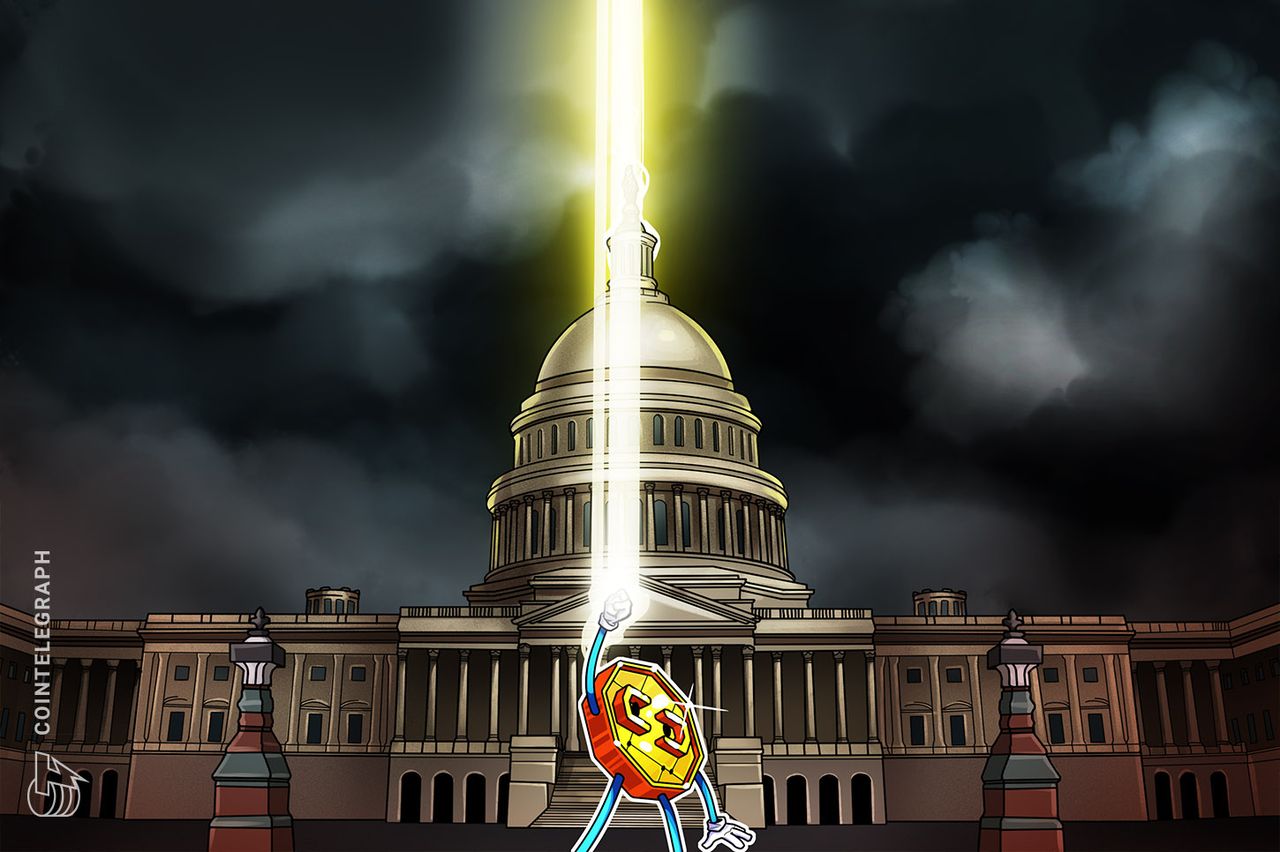
That’s the scene underpinning the latest pronouncements about the US CLARITY Act, a piece of legislation that’s sending ripples through the digital asset world. While the bill’s journey through Congress is far from smooth — with a recent Senate Banking Committee session highlighting a clear partisan divide — its potential impact is being dissected with the intensity of a Super Bowl quarter final. Venture capital powerhouse Andreessen Horowitz (a16z) is notably bullish, framing the CLARITY Act as a significant catalyst for domestic innovation. They see it not just as a US-centric development, but as a signal that could influence global regulatory frameworks.
This narrative, however, bumps up against the gritty reality of legislative maneuvering. Grayscale, in a recent report, pegs the odds of the bill passing as high, a sentiment echoed by proponents. Yet, they pragmatically note the necessity of bipartisan support to navigate the full Senate and become law. The current Senate makeup, where Republicans hold a slim majority, means that at least seven Democrats would need to jump aboard. Grayscale draws a hopeful parallel to the GENIUS Act, which secured substantial cross-party backing, suggesting precedent exists for such legislative victories.
Is the CLARITY Act a Genuine Innovation Driver?
Here’s where the analysis gets interesting, and frankly, where a healthy dose of skepticism is warranted. A16z’s assertion that the CLARITY Act will be a ‘boon for domestic innovation’ sounds fantastic. It taps into the narrative of American exceptionalism in tech. But let’s unpack that. Regulatory clarity, when achieved correctly, can indeed foster innovation. It reduces the uncertainty that stifles startups and deters established players from deploying capital. If the CLARITY Act definitively carves out a path for digital assets, defines clear rules of engagement for exchanges, issuers, and investors, then yes, that certainty could unlock a wave of new products and services built on a more stable foundation.
The concern, though, lies in the nature of that clarity. Will it be a broad, innovation-friendly framework, or a narrowly defined set of rules that inadvertently create more barriers than they dismantle? The fact that nine Democrats voted against advancing the bill in the Senate committee suggests deep disagreements remain. These aren’t just procedural quibbles; they likely point to fundamental differences in how lawmakers view the risks and opportunities of the crypto economy. Will the final version of the CLARITY Act be a balanced approach, or will it lean heavily on existing frameworks that may not be suited for novel digital assets?
“The bill will require bipartisan support to clear the full Senate and become law.”
This simple statement from Grayscale is the crux of the matter. Without consensus, the CLARITY Act risks becoming a political football, its potential benefits diluted or twisted by amendments designed to appease specific factions. The speculation surrounding its passage is palpable, with some reports indicating a ‘major spike of euphoria’ amongst Bitcoin enthusiasts. But euphoria doesn’t automatically translate into sustained, groundbreaking innovation. It can also breed complacency or encourage a rush into investments without adequate due diligence, a cycle we’ve unfortunately seen play out before.
What Happens If the CLARITY Act Doesn’t Pass?
If the CLARITY Act falters — and given the committee vote, that’s a distinct possibility — the crypto industry in the US will continue to operate in a gray area. This isn’t ideal for anyone. For startups, it means continued regulatory whiplash, constantly looking over their shoulder. For consumers, it means potential exposure to risks without adequate protections. For the US, it means ceding ground to jurisdictions that do provide regulatory certainty, potentially allowing them to become hubs for digital asset development and investment. This is precisely the scenario a16z seems keen to avoid by advocating so strongly for the CLARITY Act. The argument, then, isn’t just about passing any bill, but passing a good bill.
Ultimately, the CLARITY Act’s success hinges on its ability to strike a delicate balance: protecting investors and the financial system while simultaneously fostering an environment where legitimate innovation can flourish. A16z’s optimism is a valuable signal, indicating what forward-thinking investors believe is possible. But the political realities of Washington D.C. paint a more complex, and potentially more challenging, picture. The coming months will reveal whether this legislative effort results in a genuine ‘boon’ or becomes another footnote in the saga of crypto regulation.
🧬 Related Insights
- Read more: SpaceX IPO Could Drain Crypto: Here’s Why
- Read more: Justin Sun Calls Out Trump-Backed WLFI as User ATM After $75M DeFi Grab
Frequently Asked Questions
What is the US CLARITY Act aiming to achieve? The US CLARITY Act is legislation introduced in July 2025 that aims to provide regulatory clarity for the cryptocurrency industry, potentially fostering domestic innovation and stabilizing the market.
What are the biggest challenges for the CLARITY Act passing? The primary challenge is securing bipartisan support in the Senate. While Republicans have shown support, convincing enough Democrats to vote for the bill is crucial for its passage.
Could the CLARITY Act’s passage negatively impact the crypto market? While proponents argue it will be a boon for innovation, the specific details and eventual wording of the bill could inadvertently create new hurdles or restrictions for certain crypto activities.