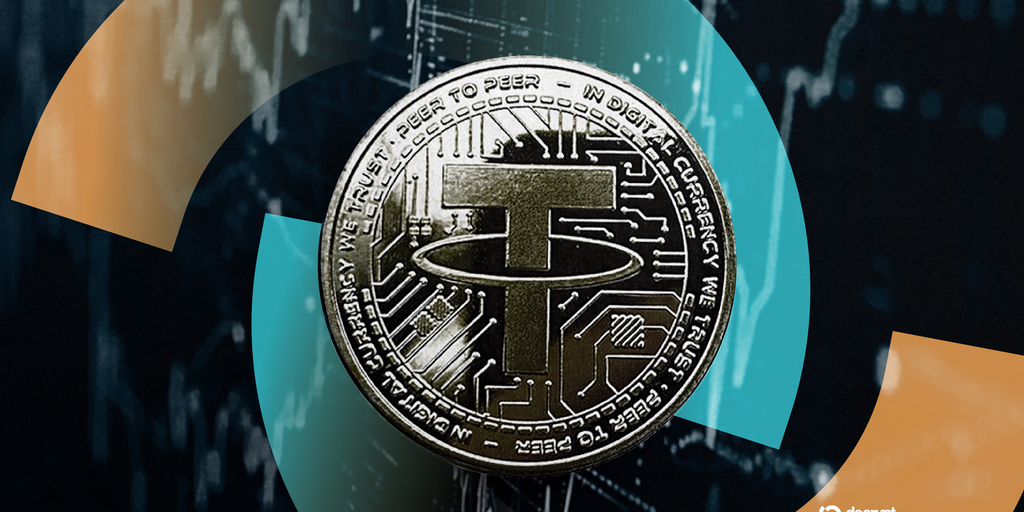
This isn’t just a semantic quibble about nomenclature; it’s about recognizing a fundamental platform shift. The word ‘stablecoin’ feels like a relic, a leftover from crypto’s wilder, more experimental days, before the dust began to settle and the real utility started to shine through. We’re talking about a technology that’s rapidly morphing from a quirky curiosity into the very plumbing of future finance, and frankly, ‘stablecoin’ just doesn’t cut it anymore.
It’s like calling a smartphone a ‘fancy portable telegraph.’ Utterly misses the point, doesn’t it? The folks at a16z Crypto are making a compelling case that the term ‘stablecoin’ is similarly clunky and, more importantly, woefully inadequate to describe what’s actually happening. They’re pushing for a rebrand, something that speaks to the essence of the tech: “digital cash” or “programmable money.”
“The first term that gains traction with a new technology often sticks, such as email… Or it may gradually fade as we simply speak of digital dollars, digital euros and other onchain assets,” Hackett said.
See, this is where the magic happens. This isn’t just about rebranding for a slicker PR spin. It’s about understanding that language shapes perception, and perception dictates adoption. When we label something a ‘stablecoin,’ our minds immediately jump to the perceived stability, the pegged value, the lack of volatility. But what if that’s just one facet, one small piece of a much, much larger, more transformative puzzle? What if these aren’t just digital dollars, but the building blocks of a truly programmable financial future?
Think about the internet. When it first emerged, we called it the ‘information superhighway,’ a somewhat clunky metaphor that tried to grasp this new, vast interconnectedness. But eventually, it just became… the internet. It faded into the background, becoming the default, the invisible infrastructure upon which countless innovations were built. That’s the trajectory a16z Crypto sees for this technology. It’s destined to become so deeply ingrained in our financial lives that we won’t even think about the name anymore. It will just be how money works.
Is ‘Stablecoin’ Holding Back Progress?
This is where the real wonder kicks in. We’re standing on the precipice of a financial revolution, driven by AI and powered by these increasingly sophisticated digital assets. Calling them ‘stablecoins’ is like admiring the complex gears of a clock but completely missing the fact that it’s now a smartwatch capable of tracking your heart rate, making contactless payments, and ordering your groceries. It’s underselling the entire package.
The argument isn’t that stability isn’t important — it absolutely is. But it’s the programmability, the ability to embed logic and automation directly into money, that’s the true game-changer. Imagine payments that automatically trigger contract clauses, or funds that are released only when specific conditions are met, all orchestrated by AI. That’s not a ‘stablecoin’; that’s the future of transactional economics.
“Most likely though, the technology will disappear into the background entirely and become just how money works, the same way we stopped saying electric lighting once that newfangled gadgetry became the default. Now they’re just lights.”
It’s a powerful analogy, isn’t it? We don’t marvel at the existence of electric lights anymore; we simply flip a switch. And that’s precisely the destiny envisioned for these digital monetary instruments. They will become so ubiquitous, so integrated into the fabric of our daily transactions, that the origin story, the early nomenclature, will fade into irrelevance.
The AI Nexus: A New Dawn for Digital Money
This push for a new name isn’t happening in a vacuum. It’s inextricably linked to the explosive growth and integration of AI in finance. AI isn’t just an add-on; it’s becoming the intelligence layer, the conductor of this complex orchestra. It’s what will make programmable money truly sing, enabling unprecedented levels of efficiency, security, and personalization in financial services.
We’re talking about a future where financial processes are not just automated, but intelligently optimized by AI, where risks are predicted and mitigated before they even materialize, and where access to financial services becomes truly democratized. The clunky term ‘stablecoin’ feels like an anchor, tethering us to the past when the future is beckoning with infinite possibilities.
So, while the rebranding might seem like a minor detail to the uninitiated, it’s a vital step in framing the narrative, in capturing the imagination, and in paving the way for a new era of digital finance. The ‘stablecoin’ era is over. Welcome to the age of digital cash, where money itself is intelligent, programmable, and poised to reshape our world in ways we’re only just beginning to comprehend.
**
🧬 Related Insights
- Read more: Vitalik’s Local-First AI: How Ethereum’s Founder Built a Crypto-Paranoid LLM Setup
- Read more: ECB Study: Crypto Owners Rich, Users Prefer Cash-Like Digital
Frequently Asked Questions**
What is a stablecoin according to a16z Crypto? a16z Crypto believes the term ‘stablecoin’ is outdated and a relic of crypto’s early days, failing to capture the full potential of the technology.
What does a16z Crypto propose replacing ‘stablecoin’ with? They suggest terms like ‘digital cash’ or ‘programmable money’ to better reflect the technology’s essence and future capabilities.
Will money eventually just work digitally without a specific name for ‘stablecoins’? Yes, a16z Crypto predicts that this technology will fade into the background and become the default way money functions, much like electric lighting is now simply ‘lights’.