API crypto trading scam alert.
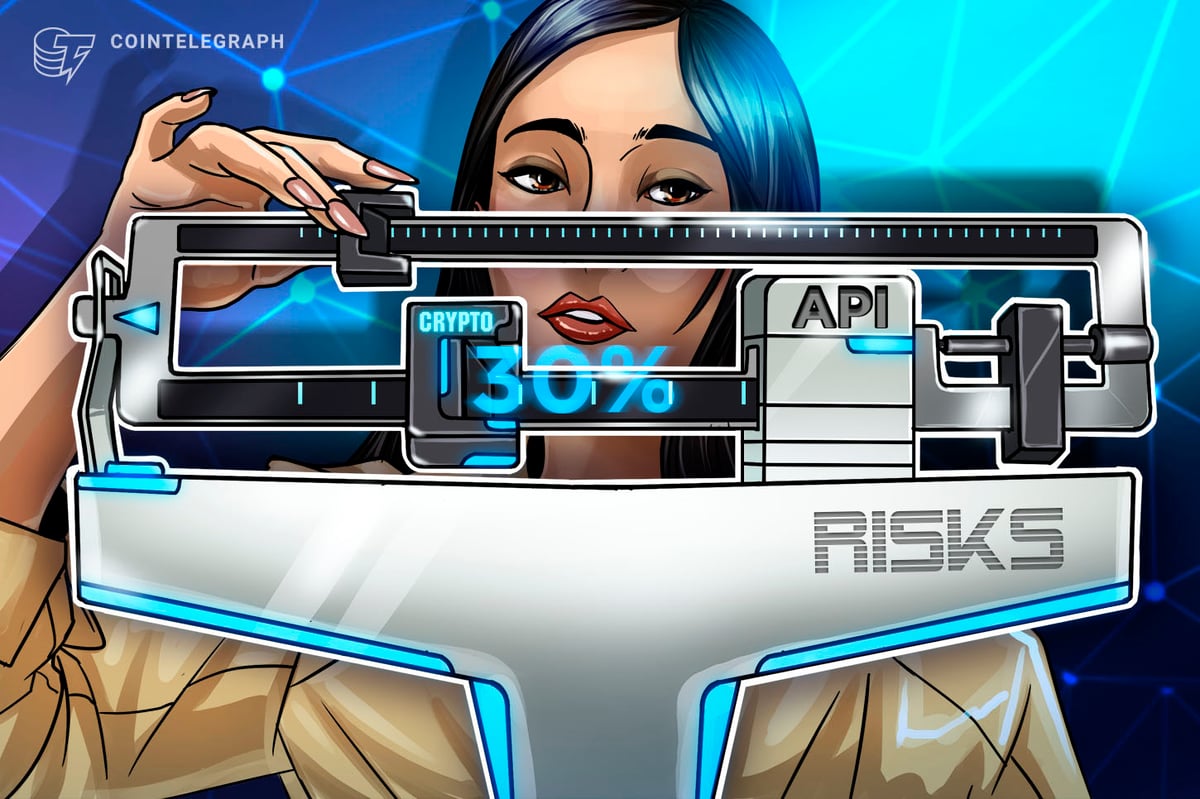
South Korea’s Financial Supervisory Service drops a bomb: automated API trading now gobbles up 30% of the market’s buy-sell action. That’s huge. And troubling. Because while bots whir away, some sharp operators are gaming the system—pumping fake volume, spoofing orders, all to fleece retail suckers. It’s the Wild West with algorithms, and the sheriffs are saddling up.
Here’s the FSS laying it bare:
“Some traders are using automated tools to inflate volumes and manipulate prices, citing cases involving repeated small trades, spoofed orders and coordinated activity across multiple accounts.”
Classic. Pump it with micro-trades from 5,000 won to 10,000 won—about three to six bucks—then dump as the herd piles in. Or spam high-price limit buys to hit a target, luring the masses. Sounds familiar? Yeah, it’s wash trading 2.0, straight out of the FTX playbook. Except now it’s API-fueled, faster, sneakier.
Why Is South Korea’s Crypto Market a Manipulation Magnet?
Look, South Korea loves its crypto—trades billions daily. But gaps in the rules leave room for cowboys. Regulators just ordered exchanges to sync ledgers every five minutes after finding sloppy balance checks. And voice phishing scams? Exempt accounts let thieves bolt with loot. Enforcement’s ramping up, sure, but a court just smacked down a suspension on Upbit’s parent for “unclear rules.” Hilarious. They’re playing whack-a-mole with half-baked laws.
One case? A trader bots tiny orders to fake buzz, sells into the spike. Retail bites—hook, line, sinker. FSS isn’t laughing. They’re probing “excessive or abnormal” API accounts. Good luck sorting signal from noise in that frenzy.
But here’s my unique take, absent from the Yonhap fluff: this reeks of the 2017 ICO bubble redux. Back then, Korean exchanges like Bithumb saw volumes balloon to absurd levels—90% fake, per some estimates—before the crashes. History rhymes. If APIs hit 30% now, expect a regulatory sledgehammer soon, maybe mirroring MiCA in Europe. Bold prediction: by 2025, South Korea mandates API whitelists or kills high-frequency bots outright. Hype dies fast.
Short para for punch: Investors, don’t chase spikes.
Can Regulators Actually Stop API Manipulation in Crypto?
Doubt it. FSS warns against grabbing high-frequency code from shady forums—duh. But enforcement? Spotty. They float circuit breakers after Bithumb’s blunders, tighten withdrawals, yet legal hurdles persist. That Upbit ruling? A glaring red flag—courts saying “show me the law first.”
And the PR spin? Exchanges tout “strong systems” while regulators expose the rot. Corporate hype at its finest: “Everything’s fine, just reconcile every five minutes!” Please. This is RegTech theater—optics over overhaul.
Picture this sprawl: automated armies across accounts, spoofing bids, layering fakes, all while grandma FOMO-buys at the top. FSS examples nail it—one bot herd drives prices to a preset peak, then vanishes. Retail left holding bags. We’ve seen it in stocks (remember Knight Capital’s algo meltdown?), now crypto’s turn. South Korea’s ahead, but will the world follow? Or just nod and keep trading.
Medium bite: Enforcement gaps kill trust.
What Does This Mean for Global Crypto Traders?
Ripple effects. South Korea’s a bellwether—huge retail base, strict oversight. If they crack down, expect copycats in Japan, Singapore. APIs? They’ll get leashed. Platforms like Upbit, Bithumb face audits, maybe forced API limits. Investors: skip the bots, check fundamentals. Sudden volume without news? Run.
Dry humor time: Regulators urging “don’t use random GitHub code” is like cops saying “don’t download viruses.” Obvious, ignored.
And that magazine aside on prediction markets? Irrelevant distraction. Focus: manipulation’s the real bet here, and the house always wins.
Six-sentence deep dive: Broader context matters. Crypto’s maturing, painfully. South Korea’s post-LUNA/Do Kwon mess means no more kid gloves. But APIs democratize trading—retail gets bots too. Problem? Uneven playing field; pros code circles around noobs. Result: more wash, less fair. FSS probes signal winter’s coming for unchecked automation. Will it chill innovation or just the cheats? Bet on both.
Wrapping erratic: Watch this space. Or don’t—get rekt.
🧬 Related Insights
- Read more: Bitcoin Demand’s Deep Freeze: CryptoQuant Spots Contraction, Teases $81K Bounce
- Read more: Crypto’s Big Secret: Why Traders Are Dodging Your Prying Eyes
Frequently Asked Questions
What percentage of South Korea’s crypto trading is API-based? 30%, per FSS— but packed with manipulation red flags.
How are APIs used to manipulate crypto prices in South Korea? Repeated tiny trades, spoofed orders, coordinated bots to fake volume and pump prices before dumps.
Will South Korea ban API trading on crypto exchanges? Not yet—targeted probes first, but expect tighter rules soon amid regulatory gaps.