Everyone thought decentralized exchanges, these glorious bastions of permissionless innovation, were destined to forever trade ephemeral digital tokens born from code. Orca, however, is charting a decidedly different course, and it’s a move that subtly, yet profoundly, reconfigures the landscape of what a DEX can—or perhaps, should—be.
We’re not just talking about a few more altcoins listing. Orca has just pulled the curtain back on “permissioned pools,” a system designed to bring regulated, tokenized traditional financial assets directly onto the Solana blockchain. This isn’t a minor feature tweak; it’s an architectural reimagining. Think less a wild, unregulated bazaar and more a meticulously curated gallery, accessible only to those on the guest list.
The implications here are enormous. For years, the crypto world has been buzzing about the potential of tokenizing real-world assets (RWAs) — think stocks, bonds, commodities, even real estate. The promise? Increased liquidity, fractional ownership, and 24/7 global access. The roadblock? Regulatory compliance, particularly in markets like the U.S., which demand stringent know-your-customer (KYC) and investor accreditation checks. These are precisely the hurdles Orca’s new infrastructure appears designed to clear.
The Architecture of Access Control
Here’s the nitty-gritty: Orca’s system isn’t a free-for-all. “Permissioned pools” means issuers, like Streamex with its gold-linked GLDY token, get to define who can trade their assets. Users wanting to participate must first clear KYC hurdles and meet eligibility requirements. This is a stark departure from the pseudonymous, borderless ethos that underpins much of decentralized finance. It’s a nod to the established financial world, a bridge being painstakingly constructed.
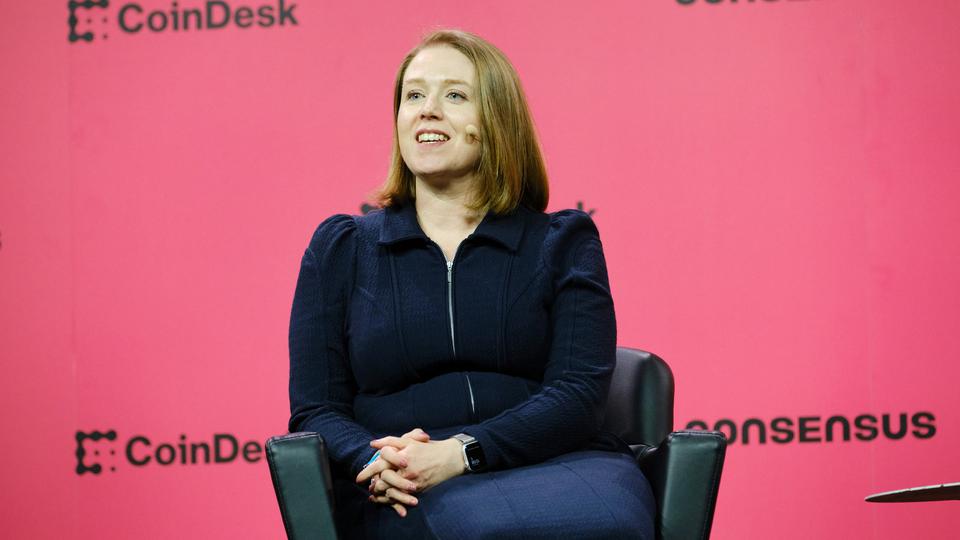
Orca CEO Michael Hwang put it starkly:
“As tokenized equities, funds and real-world assets arrive onchain at exponential rates, issuers need more than a place to list.”
He’s right. They need infrastructure that understands and enforces compliance. Orca’s existing liquidity architecture is being repurposed, while its interface will now serve as a gatekeeper, clearly flagging restricted assets and verifying user qualifications.
Why Does This Matter for the Future of DeFi?
This shift is critical because it addresses a fundamental tension: the desire for DeFi’s efficiency and transparency versus the need for regulatory certainty in traditional finance. By building permissioned pools, Orca isn’t just listing tokens; it’s creating a compliant on-ramp for institutional and accredited capital. This could be a blueprint for other DEXs looking to tap into the multi-trillion dollar RWA market.
It’s also a fascinating play on the idea of decentralization itself. Is true decentralization about absolute permissionlessness, or is it about building systems that can interoperate with and eventually transform existing, regulated financial structures? Orca seems to be betting on the latter, proposing a model where the blockchain provides the rails, but human-defined rules dictate who gets to drive on them.
The Specter of Centralization?
Of course, any talk of permissioned systems inevitably raises concerns about centralization. While Orca insists its underlying liquidity infrastructure remains strong, the act of gating access by approved investors moves it away from the pure, open-access model of its earlier iterations. It’s a pragmatic concession to market realities, but one that long-term DeFi purists will watch with a critical eye. This isn’t about Orca becoming a centralized exchange overnight, but it is about a decentralized protocol choosing to operate within certain predefined boundaries.
The broader implication? The lines between DeFi and TradFi are blurring, not by force, but by strategic design. Orca’s move is a calculated step to capture a burgeoning market segment, one that requires a more nuanced approach than simply listing another meme coin. It suggests that the future of crypto isn’t just about replacing old systems, but about intelligently integrating with them, creating hybrid models that might just unlock unprecedented value — and, perhaps, a new era of mainstream adoption.
🧬 Related Insights
- Read more: Meta’s Stablecoin Gambit: Warren Demands Answers Before Crypto Vote
- Read more: Crypto Stalls: Will Inflation Data Ignite Volatility? [May 12, 2026]
Frequently Asked Questions
What are tokenized real-world assets? Tokenized real-world assets (RWAs) are traditional assets like stocks, bonds, or commodities that have been converted into digital tokens on a blockchain. This process aims to make them more accessible, liquid, and tradable.
Will Orca’s new marketplace be open to everyone? No, Orca’s new “permissioned pools” are designed for approved investors only. Users must undergo KYC checks and meet specific eligibility requirements set by asset issuers to trade these regulated tokens.
Why is Orca launching a marketplace for real-world assets? Orca is tapping into what many in the crypto industry see as a major growth opportunity: the tokenization of traditional financial assets. By creating a compliant marketplace, they aim to attract issuers and investors looking to trade these assets onchain.