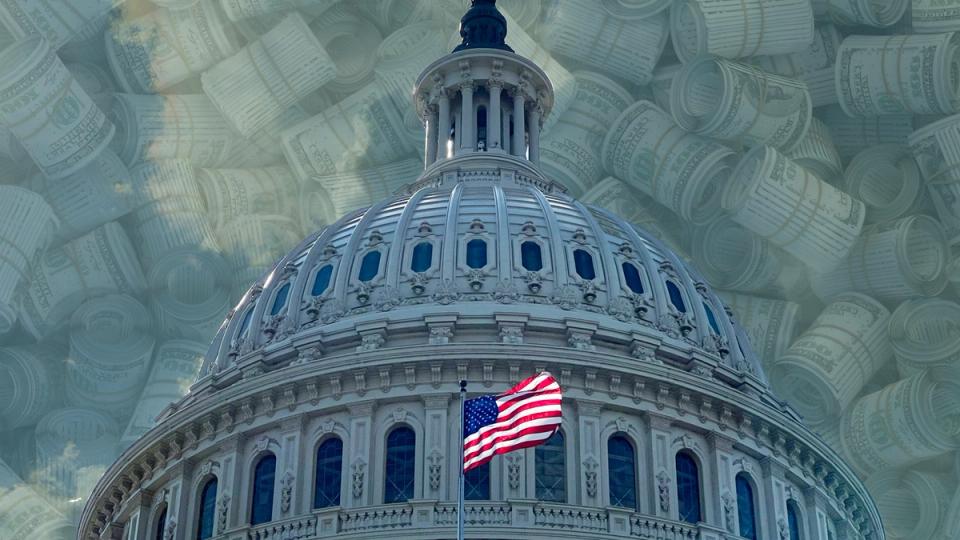
The hum of political machinery, fueled by an ocean of digital currency cash, is louder than ever. In Georgia, a primary election isn’t just about local politics; it’s a stark indicator of how deeply the tectonic plates of finance are shifting, with crypto PACs acting as seismic surveyors, pushing their preferred candidates onto the stage.
This isn’t just a handful of enthusiasts throwing a few bucks around; we’re talking about a coordinated, multi-million-dollar push. Protect Progress and its affiliated groups, Fairshake and Defend American Jobs, are on a mission. Their goal? To sculpt a Congress that views digital assets not as a fringe curiosity, but as an essential component of our financial future. Think of it like this: Imagine an old-school railroad baron pouring money into local elections to ensure every town they build a track to is friendly to their business. That’s the scale we’re operating at, but with blockchain instead of steel rails.
In 2024 alone, Fairshake, with a little nudge from Coinbase’s considerable backing, dropped over $130 million. The result? According to Coinbase CEO Brian Armstrong himself, a “most pro-crypto Congress ever.” That’s a direct line from campaign spending to legislative outcomes. It’s a powerful, almost unnerving, display of concentrated influence.
Why Does This Matter for Democratic Candidates?
It’s easy to paint these PACs as exclusively Republican allies, but their strategy is far more nuanced and, frankly, more effective. They’re not just backing one side; they’re backing the policy. And sometimes, that policy alignment happens to fall within the Democratic party. Jasmine Clark, the candidate in the spotlight in Georgia, has been vocal about her support for digital assets. She’s completed questionnaires from organizations like Stand With Crypto, a group dedicated to informing voters about candidates’ stances on crypto legislation. Her previous pronouncements about digital assets being the future, especially for unbanked communities, are precisely the kind of messaging these PACs want to amplify.
This is where the real innovation lies, and why it feels like a fundamental platform shift for political finance. It’s not about ideology; it’s about a belief in a new technological paradigm. They see AI and blockchain as the next internet, the next wave of innovation that will redefine how we work, how we transact, and how we build wealth.
“From a Stand With Crypto perspective, we are going to do everything we can to give our advocates the tools they need to make sure that they make an informed vote and they’re able to cast their ballot on election day for the candidate that is pro-crypto they care about.”
This isn’t just about lobbying; it’s about mobilizing voters. Stand With Crypto, in particular, seems to be building a direct conduit between its advocacy efforts and the ballot box. They’re arming their supporters with information, essentially turning them into digital-asset-aware electors. If these efforts snowball, the idea of a “pro-crypto Congress” becomes less of a lofty aspiration and more of an inevitable outcome.
Are Crypto PACs Always Winning?
Not entirely. The path of influence is rarely a straight line. In Illinois, Fairshake reportedly sank $8 million into opposing Juliana Stratton for the US Senate. But more than 40% of voters still chose her. It’s a reminder that while money talks, it doesn’t always get the last word. Voters, especially when presented with compelling alternatives or strong incumbents, can push back. The influence of these PACs is significant, but it’s not an invincible force. The political landscape, much like the tech world, is always in flux, with unexpected twists and turns.
We’re also seeing this play out in other races. In Texas’s 18th Congressional District, Protect Progress reportedly spent over $1.5 million against Representative Al Green. Even though his opponent, Christian Menefee, has public support for blockchain, Green still managed to force a runoff. This suggests that entrenched incumbents, especially those with established voting records on industry-backed legislation (or lack thereof, in Green’s case), can weather the storm of PAC spending.
The game here is about shaping the future infrastructure of finance and technology. It’s about ensuring that the companies and technologies driving this new wave – think AI integrations, decentralized finance, and new payment rails – have a favorable regulatory environment. This isn’t just about making money; it’s about building the digital economy of tomorrow, and these PACs are acting as the venture capitalists of the political sphere, investing heavily in the outcomes they believe will yield the greatest return, not just financially, but societally.
This strategic deployment of capital, targeting specific candidates who align with their vision, represents a fundamental shift in how industry interests can weave themselves into the fabric of electoral politics. It’s a story that’s still unfolding, with Georgia just the latest chapter in a much larger narrative about money, technology, and the future of governance.
🧬 Related Insights
- Read more: AI Tokens & Hyperliquid: The Next Altcoin Surge?
- Read more: Stablecoin Yield: Osero Raises $13.5M Amid Issuer Grip
Frequently Asked Questions
What do crypto PACs actually do? Crypto PACs, like Fairshake and Protect Progress, are political action committees that raise and spend money to influence elections. They support candidates who advocate for policies favorable to the cryptocurrency and blockchain industry and oppose those who don’t.
Will this spending lead to a more pro-crypto Congress? While significant, the spending by crypto PACs doesn’t guarantee outcomes. Voter sentiment, candidate appeal, and other political factors also play a crucial role. However, the substantial investment suggests a strong effort to shape legislative agendas in favor of crypto interests.
Is this kind of political spending new for tech industries? No, tech industries have a long history of political engagement and lobbying. However, the scale and specific focus on digital assets and blockchain technology by these new PACs represent a notable escalation and a more direct electoral intervention.