The hum of servers, punctuated by the soft click of a keyboard. That’s the sound of the future, and it’s being built, piece by digital piece.
Look, the folks over at Exodus aren’t just releasing another digital dollar. They’ve dropped an AI agent-focused stablecoin onto the Solana blockchain, and this isn’t just a minor iteration; it’s a fundamental platform shift. Think of it like the transition from dial-up internet to broadband – suddenly, a whole new universe of possibilities opens up. For years, we’ve talked about decentralized finance, or DeFi, as a way to bypass traditional gatekeepers. Now, we’re seeing the next evolution: finance for decentralized intelligence.
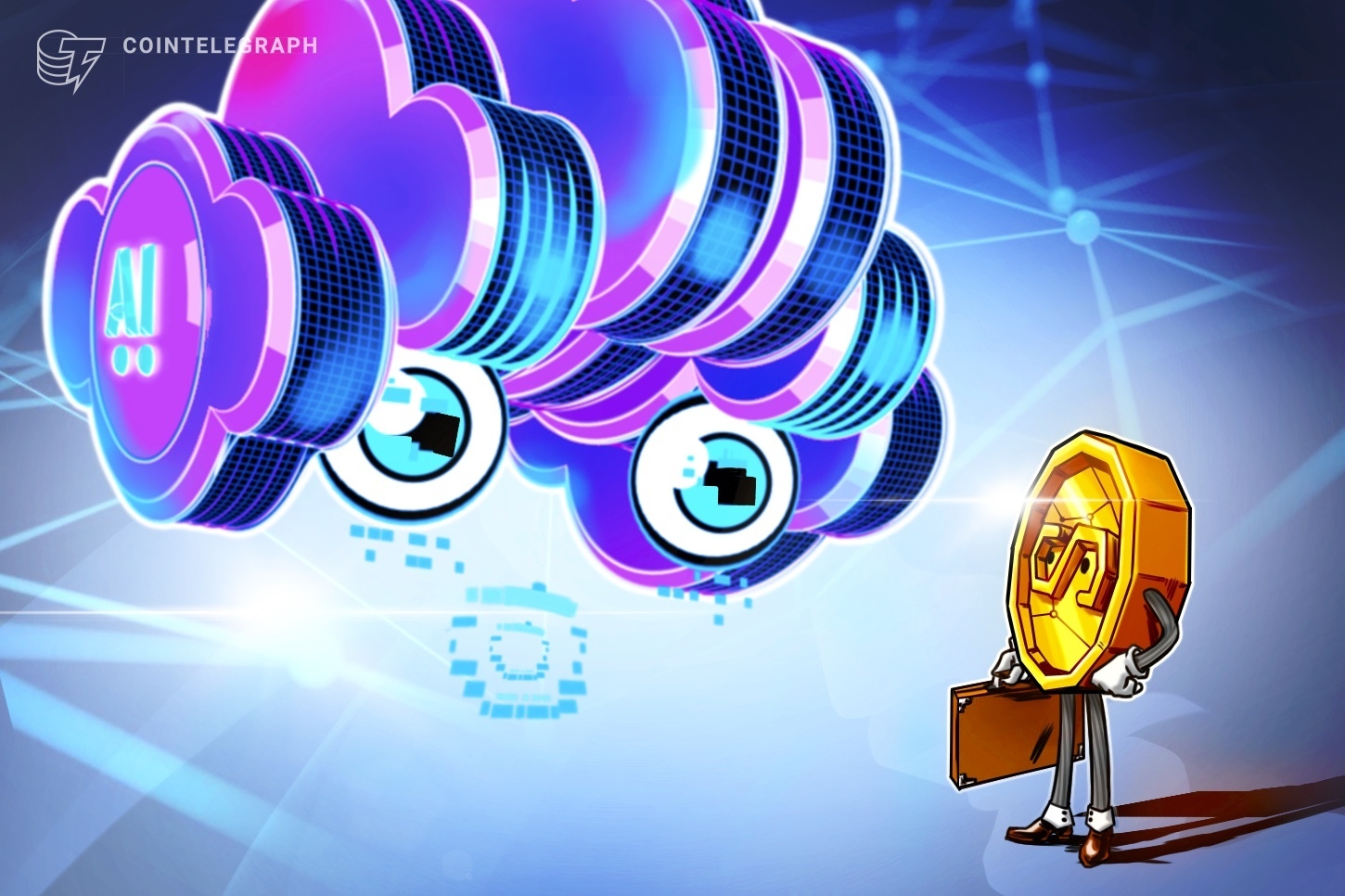
This new stablecoin, let’s call it the ‘Agent’s Allowance’ for now, is designed to act as the native currency for AI agents. These aren’t your grandma’s chatbots. These are sophisticated programs capable of performing complex tasks, making decisions, and interacting with the digital world autonomously. Imagine an AI agent that manages your crypto portfolio, or one that negotiates the best deals for your business, or even one that autonomously funds and executes research projects. All of this requires a frictionless, programmable, and secure way to transact – enter the Exodus stablecoin.
Why Solana? It’s all about speed and low costs. AI agents will be performing millions, if not billions, of micro-transactions. The blockchain needs to keep up. Solana, with its high throughput and minimal fees, is emerging as the prime real estate for this kind of high-frequency digital activity. It’s like trying to run a marathon on a treadmill versus an open track; the latter offers the space and speed needed to truly excel.
But here’s the kicker, the bit that really makes my futurist heart sing: this stablecoin is built for the agents themselves. It’s not just a tool for humans to use to interact with AI; it’s the very lifeblood that allows these AI agents to operate, to pay for services, to earn rewards, and to coordinate their activities. This creates a self-sustaining, decentralized economy of intelligent agents, and that’s a concept that’s been relegated to science fiction for far too long.
It’s about more than just financial transactions; it’s about enabling intelligent automation at a scale we’ve only dreamed of. The implications are staggering. Think about decentralized autonomous organizations (DAOs) powered not just by human voters, but by AI agents making data-driven decisions, funded by this very stablecoin. Or imagine a global marketplace where AI agents from different companies can smoothly collaborate on projects, compensating each other with this native currency.
Will This Replace Traditional Finance?
Not entirely, not overnight. But it’s certainly rerouting the river. Traditional finance is like a massive, slow-moving freighter – essential, but not agile. The AI agent stablecoin on Solana is a fleet of high-speed hydrofoils, zipping through new channels and opening up entirely new trade routes. We’re talking about a paradigm shift, where programmable money directly fuels autonomous intelligence. This opens the door for new forms of economic organization and value creation that simply weren’t feasible before.
Look, the original article highlights the technical launch and the partnership. That’s important, but the real story is the dawn of what I’m calling ‘Autonomously Funded Intelligence’ (AFI). This isn’t just a new product; it’s a foundational layer for the next generation of the internet and the global economy. It’s the digital equivalent of discovering electricity – suddenly, everything changes.
This stablecoin is designed to be the native currency for AI agents, facilitating smoothly transactions and incentivizing participation within the growing AI ecosystem on Solana.
This is where the skepticism often creeps in. Is this just more crypto hype? Perhaps. But even if it’s only half as impactful as I believe, it’s still a monumental leap. The corporate spin might emphasize the transaction volume and the network effects, but the underlying truth is far more profound. We are giving AI agents the economic power to operate independently, to self-improve, and to collaborate. That’s not just innovative; it’s world-altering.
So, while the headlines focus on Exodus and Solana, the real story is the birth of a new economic paradigm. One where code doesn’t just execute commands, but where it also handles the payroll. It’s a future where artificial intelligence isn’t just a tool we use, but an active participant in the economy, with its own digital currency.
What Does This Mean for AI Development?
This stablecoin acts as a direct economic incentive for developers to build AI agents that can integrate with blockchain technology. It lowers the barrier to entry for creating financially self-sufficient AI systems. Imagine an AI agent that can automatically pay for its own cloud computing resources or license the data it needs to learn, all without human intervention. This fosters a more dynamic and innovative AI development landscape, where the most efficient and capable agents can thrive economically.
🧬 Related Insights
- Read more: Star Xu vs. CZ: A Decade-Old Lie Reignites Crypto’s Biggest Feud
- Read more: Prediction Markets: Who’s Winning as Regulators Squabble?
Frequently Asked Questions
Will this AI agent stablecoin replace my bank? No, not directly. This stablecoin is primarily for powering AI agent activities on the Solana blockchain, not for everyday human banking needs. However, it represents a parallel financial infrastructure that could eventually influence traditional finance.
How do AI agents use this stablecoin? AI agents can use the stablecoin to pay for services, access data, reward other agents, or participate in decentralized marketplaces. It’s designed to be programmable and integrated directly into their operational logic.
Is this good for the crypto market? It’s a significant development for the Solana ecosystem and for the practical application of stablecoins beyond simple speculation. It points to a future where blockchain technology underpins more than just financial assets, but also operational economies for AI.