The air in the crypto regulatory corridors just got considerably colder for Zondacrypto. Estonia’s Financial Supervisory Authority (FSA) dropped a pretty unequivocal investor warning this week, a digital flare signaling deep trouble for the exchange and its parent company. It’s not just a nudge; it’s a full-blown siren wail from a national regulator.
This isn’t happening in a vacuum, mind you. The FSA’s caution follows a cascade of deeply concerning reports: users locked out of their funds, a gaping hole where critical Bitcoin private keys should be, and a widening investigation by Polish law enforcement officials. It’s the kind of potent cocktail that makes even the most hardened crypto veterans pause.
Where Did the Bitcoin Go?
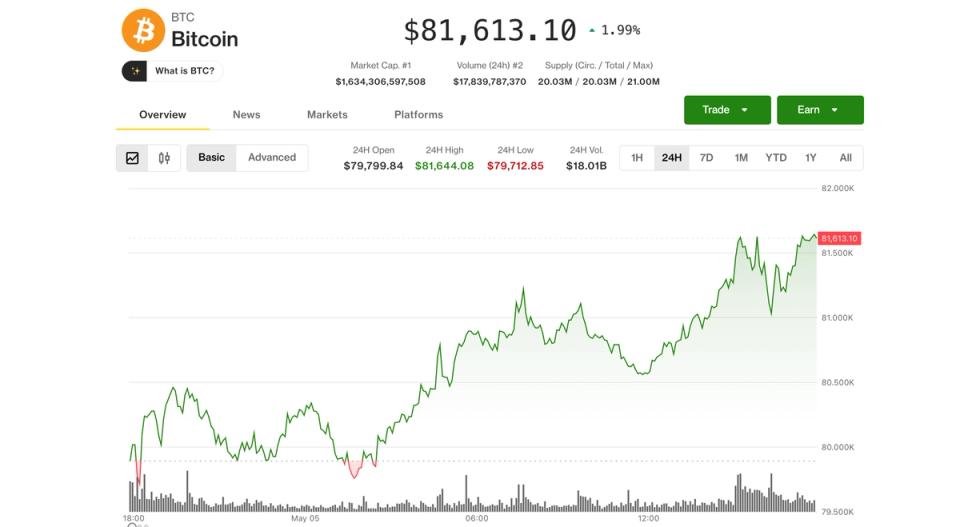
The core of the crisis seems to hinge on a staggering 4,500 Bitcoin, currently valued north of $360 million. This isn’t petty cash; it’s a significant chunk of change. According to Zonda CEO Przemysław Kral, speaking back in April, the exchange simply couldn’t access this Bitcoin. Why? Because the private keys, the digital skeleton key to the vault, were allegedly never handed over by the company’s founder and former CEO, Sylwester Suszek. And Suszek? He’s been missing since 2022. Vanished. Poof.
Kral, in his statements, has been quick to deny rumors of insolvency, insisting that Zondacrypto would meet all customer obligations. But denying a problem is a far cry from solving it, especially when a significant portion of your assets are seemingly lost in the ether—or rather, inaccessible due to a missing person.
The silence from Kral himself on social media since mid-April only adds another layer of intrigue. Local reports suggest he’s decamped to Israel, where he holds citizenship, a move many might interpret as a tactical withdrawal rather than a vacation.
The Polish Connection
The plot thickens with the involvement of Polish authorities. Their probe, initiated in April, directly stemmed from user complaints about withdrawal difficulties and the inability to reclaim their assets. It’s a classic, painful pattern in the crypto world: a liquidity crunch manifesting as frozen customer accounts.
This regulatory scrutiny from Poland, coupled with Estonia’s warning, paints a grim picture of Zondacrypto’s operational integrity and its standing with the authorities. It’s a stark reminder that even in markets that strive for innovation, basic tenets of trust and accountability remain paramount.
Why is Europe’s MiCA Framework Suddenly So Relevant?
Kral himself, in an earlier conversation, pointed to regulatory arbitrage as a reason for Zonda’s operations being outside Poland. He mentioned that Poland hadn’t fully aligned its crypto regulations with the EU’s Markets in Crypto-Activities (MiCA) framework. This is where things get interesting. MiCA, hailed as a landmark piece of legislation, aims to bring much-needed clarity and consumer protection to the European crypto space.
But here’s the rub, the unvarnished truth cointelegraph hinted at: frameworks like MiCA, while designed to foster legitimate business, also shine a harsh spotlight on those operating in the shadows or on questionable legal footing. The pressure is on, and companies that rely on regulatory ambiguity to function are finding themselves cornered. Zondacrypto’s exodus from Poland, seeking a more ‘flexible’ environment, now appears to have backfired spectacularly under the increased gaze of pan-European regulatory alignment.
“Although we are a company with Polish roots and the largest player in the crypto industry on the Polish market, we have been operating outside Poland for years.”
This quote, from Kral, now reads less like a strategic business decision and more like an attempt to outrun regulatory oversight, an oversight that’s catching up whether they like it or not.
A Founder’s Ghost and a Regulator’s Chill
The Zondacrypto saga is more than just another exchange in distress. It’s a narrative weaving together missing persons, ill-gotten (or perhaps just inaccessible) fortunes, and the ever-tightening grip of regulators. It’s a cautionary tale about the foundational risks in digital assets: the reliance on human custodianship for private keys, the potential for opaque financial dealings, and the severe consequences when trust erodes.
Cointelegraph reached out to Zondacrypto for comment. No response arrived by the time this piece went to print. That silence, as the Estonian FSA issues its warning, speaks volumes.
What Does Estonia’s FSA Warning Mean for Investors?
This warning from Estonia’s FSA isn’t a suggestion; it’s a direct alert to investors. It signifies that regulatory bodies have identified significant concerns regarding Zondacrypto’s operations, financial stability, or compliance practices. For current and potential investors, this should serve as an immediate red flag, prompting a thorough re-evaluation of their holdings and future engagement with the exchange. It underscores the importance of due diligence and sticking to regulated, transparent platforms, especially as the global crypto landscape continues to mature and consolidate under increasing regulatory oversight.
🧬 Related Insights
- Read more: Bitcoin’s Wartime Rift: Forced Buyers Catch the Panic Sell-Off
- Read more: Stablecoins Get Green Light: But Real Adoption Still Faces Hurdles
Frequently Asked Questions
What is Zondacrypto? Zondacrypto is a cryptocurrency exchange that has recently come under intense scrutiny from financial regulators.
Why did Estonia’s FSA issue a warning? The Estonian Financial Supervisory Authority issued a warning due to withdrawal issues reported by users and an ongoing investigation into the company by Polish law enforcement, compounded by issues with accessing significant Bitcoin reserves.
Is Zondacrypto insolvent? Zonda CEO Przemysław Kral has denied rumors of insolvency, but reports of withdrawal issues and inaccessible funds raise serious questions about the company’s financial health. The situation is further complicated by the disappearance of the founder who allegedly holds access keys to a large Bitcoin stash.