Banks were supposed to be the unbreakable backbone of global trade. Solid, compliant, always there for that letter of credit or swift payment. But here’s the twist — Iran’s shadow war is debanking commodity traders left and right, forcing them straight into stablecoins’ waiting arms. This isn’t some fringe crypto fantasy; it’s reshaping the $2 trillion non-bank trade finance world, right now.
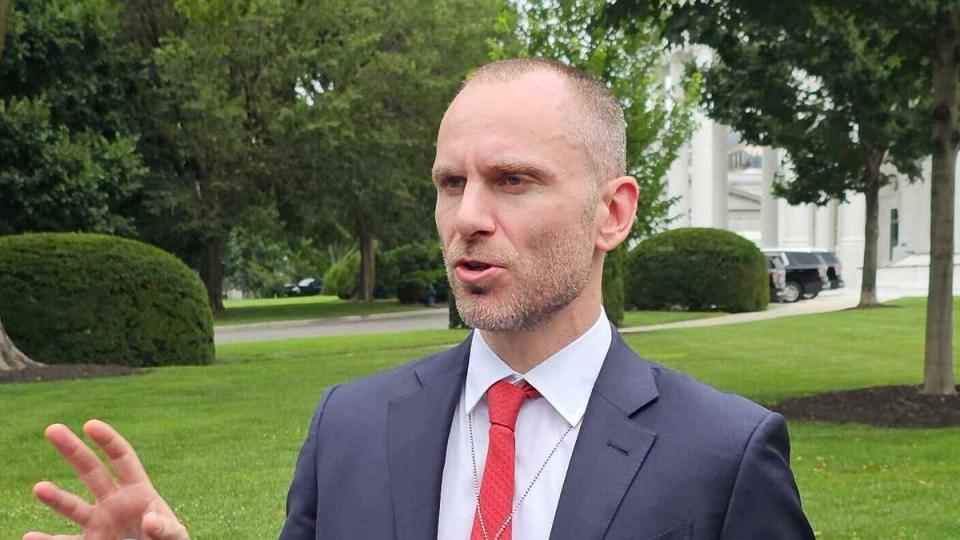
Luke Sully, CEO of Haycen, nails it in a CoinDesk interview. Traders in Europe, handling flows that might brush against sanctioned Iranian entities via Oman or elsewhere, are getting the boot. Banks, spooked by counterparty risks, just say no.
“Since the war, banks are further retreating from certain commodity flows,” Sully told CoinDesk. “We spoke with some commodity traders who are getting debanked now.”
And just like that, the plumbing clogs.
Why Are Commodity Traders Getting Debanked?
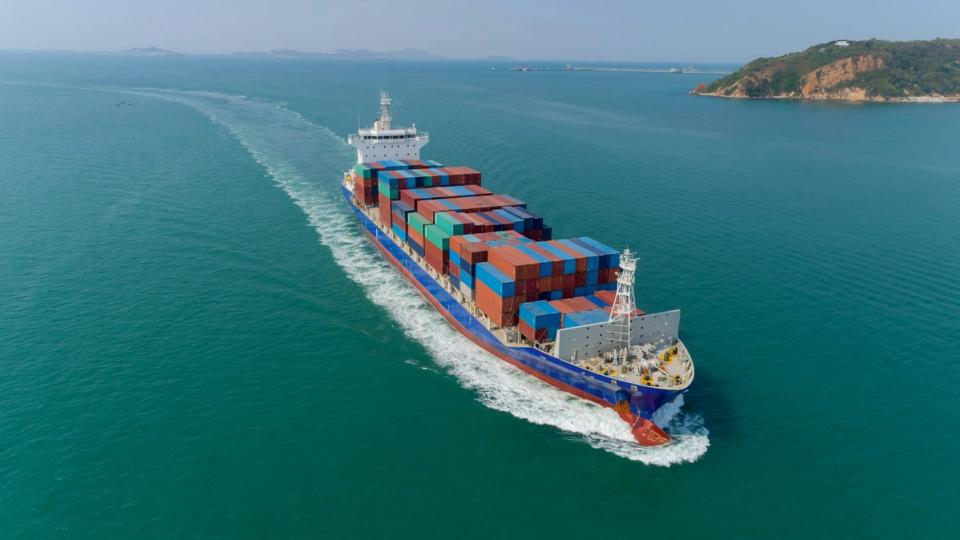
Look, trade finance has always been a wild west — $2 trillion in deals moving helium from Qatar to South Korea, manganese from South Africa to Indonesia, all greased by non-bank lenders chasing 15% yields. These private credit funds dominate, but they lean on banks for the actual settlement rails. War changes the math.
Banks aren’t dumb. One whiff of indirect Iran exposure — even if it’s legit — and compliance departments hit the panic button. Better to debank entirely than face fines or worse. Result? Traders scramble for workarounds. Enter stablecoins, the digital dollar proxies that don’t ask questions (much).
It’s not hype. USDT’s market cap blasted past $300 billion in 2025, with transaction volumes hitting $4 trillion — 30% of all onchain activity. That’s not crypto bros trading memes; that’s real-world flows, remittances, and now, commodity settlements dodging the banking blackout.
But — and this is key — Sully calls it a “workaround,” not a fix. Traders aren’t building blockchain empires overnight; they’re just surviving.
Short paragraphs like this one punctuate the chaos. Because sometimes, one fact hits harder than a rant.
How Stablecoins Are Filling the Trade Finance Void
Tether’s USDT leads the charge. Deep liquidity, global acceptance — send it to an emerging market counterparty, and someone’s always ready to swap for fiat. “Tether is soaking up a lot of the payments flow,” Sully says. “If you want to make a one-time payment into an emerging market, USDT is helping.”
“There is so much global USDT liquidity that people don’t mind sending or accepting it as payment,” he added, “because someone in their country will eventually swap it for dollars.”
Why does this stick? Speed. No correspondent banking delays where funds vanish for seven days. No KYC headaches mid-shipment. Just pegged dollars zipping across borders, 24/7.
Haycen’s jumping in with USDhn, a trade-finance-tuned stablecoin. Deposit fiat, transact smoothly, maybe earn yield if you’re eligible. They’re gunning to be the liquidity layer for this fragmented mess. Smart play — non-banks already own the lending side; now crypto owns settlement.
Here’s my unique take, absent from the original: This echoes the 1970s oil crisis, when petrodollars flooded offshore banking, birthing Eurodollars and shadow finance. Banks fled risk then too; non-banks filled the gap. Today, it’s crypto shadow dollars. History doesn’t repeat, but it rhymes — and stablecoins are the new Eurodollar, scaling to trillions outside regulators’ full gaze. Bold prediction: By 2030, 20% of trade finance settles onchain, not because it’s better, but because geopolitics demands it.
Skeptical? Good. Haycen’s PR spin paints them as saviors, but they’re just one player in Tether’s shadow. USDT’s dominance isn’t merit; it’s first-mover inertia. And risks lurk — Tether’s reserves have faced scrutiny before. Traders using this as a band-aid might wake up to volatility if pegs wobble or regs clamp down.
Is This the End of Traditional Trade Finance Banking?
Not yet. But it’s accelerating a shift that’s been brewing. Non-banks already lend the money; stablecoins now move it. Banks? They’re left holding the compliance bag, retreating to low-risk vanilla flows.
Geopolitics amps it up. Iran’s war isn’t pausing; it’s escalating proxy fights, sanctions, seizures. Every flare-up debanks more traders, fattens stablecoin volumes. Watch volumes: If USDT’s trade settlement share doubles in a year, that’s your signal.
Wander a bit here — think about the traders. They’re not ideologues. They’re pragmatists shipping real stuff, from metals to gases. Stablecoins solve their pain point today. Tomorrow? Who knows. But the architecture’s shifting underfoot.
And the human cost. Debanked firms can’t just flip a switch. Relationships fray, deals delay, costs spike. It’s not abstract; it’s supply chains creaking.
One punchy truth: Stablecoins aren’t optional anymore. They’re survival gear.
This isn’t bullish crypto utopia. It’s a gritty pivot, born of fear. Banks’ retreat creates vacuums; crypto fills them. But call out the hype — Haycen’s “liquidity layer” dreams sound slick, yet they’re unproven at scale. Tether wins dirty, with opacity that’d make regulators blanch.
Deeper still: This debanking wave previews broader fractures. What happens when China-Taiwan tensions debank tech supply chains? Or Russia-Ukraine 2.0 hits energy? Stablecoins scale globally; banks don’t.
🧬 Related Insights
- Read more: Schwab’s Crypto Waitlist: A Cautious Toe-Dip into Spot Trading
- Read more: Stephanie Tompkins Takes Helm at Alabama Insurance’s Consumer Frontline Amid Regulatory Shifts
Frequently Asked Questions
What does debanking mean for commodity traders?
It means banks are cutting off settlement services over Iran risk fears, leaving traders without traditional payment rails for cross-border deals.
Why are stablecoins like USDT taking over trade payments?
They offer instant, global liquidity without banking delays or compliance scrutiny, making them a quick fix for debanked traders in high-risk flows.
Will stablecoins fully replace banks in trade finance?
Not soon — they’re workarounds now, but escalating geopolitics could push 20% of the $2T market onchain by 2030.