Have you ever stopped to wonder why, when the broader stock market is humming along, the titans of crypto seem to be sputtering? It’s not just a lull; it’s a complex dance of architectural shifts and investor psychology, and Bitcoin’s current chart pattern might be shouting a particularly loud warning.
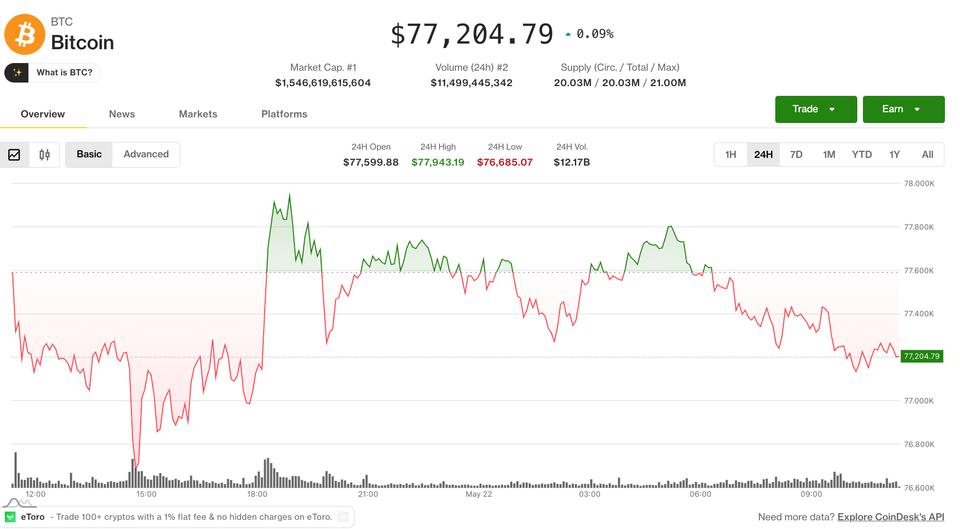
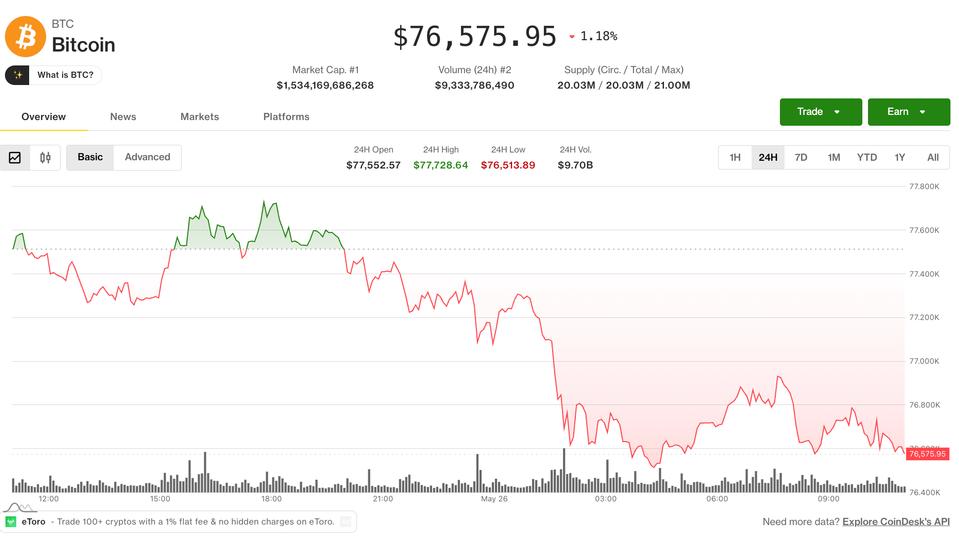
Bitcoin, the undisputed kingpin, is flirting with a bearish structure – what analysts are calling a potential “lower high.” This isn’t some abstract technical jargon; it’s a visual representation of momentum waning. Imagine a climber reaching for a peak, only to find the next ledge is slightly lower than the last. That’s the unsettling narrative Bitcoin’s price action is painting since October, a stark contrast to the optimistic march of the S&P 500 and Nasdaq 100 futures, which have been steadily climbing more than 0.5%. This divergence screams crypto-specific headwinds, not a generalized market funk.
And Ether? Oh, Ether’s got it worse. It’s not just languishing; it’s actively shedding value, down more than 10% in a fortnight. The chart shows it wedged into a range it hasn’t budged from for months. It’s like watching a heavyweight fighter stuck on the ropes, unable to muster the energy for a knockout.
What’s truly fascinating, though, is the selectiveness at play. While the majors falter, AI-linked tokens are doing their own thing, outperforming the pack. The CoinDesk Computing Select Index, a basket of AI darlings, is up, led by names like RENDER and FET. This isn’t random noise; it’s indicative of capital seeking out specific narratives, perhaps betting on the long-term potential of artificial intelligence integration, even as broader market sentiment remains muted.
Meanwhile, privacy tokens, which have their own unique architectural and regulatory challenges, are broadly in the red, with ZEC, XMR, and DASH taking significant hits. It’s a fragmented picture, a market that’s less about a rising tide lifting all boats and more about discerning captains navigating choppy waters towards specific islands of opportunity.
The Derivative Derivative: Where the Real Bets Are Placed
Beneath the surface of spot price action, the derivatives market offers a window into more nuanced positioning. Crypto futures volume has dipped about 10% in 24 hours to $130 billion, and open interest, while largely stable around $126 billion, shows signs of selective bets rather than widespread bullishness. Liquidations have also calmed, suggesting that the frenzied, speculative fever might be cooling, giving way to a more calculated, albeit still volatile, environment. The extended U.S. holiday weekend might have contributed to this, but the trend speaks to something deeper.
SHIB, LINK, HBAR, NEAR, and TRX are showing up as major open interest gainers, indicating significant activity and, likely, speculative positioning. Conversely, ZEC, XLM, and HYPE are seeing losses. This isn’t a land grab; it’s a strategic redeployment of capital. Look at NEAR, for instance. Its recent 58% surge, followed by another 14% jump, is a proof to its recent upgrades in scaling, privacy, and quantum defenses. The influx of new money into its derivatives, with open interest skyrocketing, coupled with strong positive cumulative volume delta (CVD), signals that buyers are actively driving the price action. It’s a calculated push, not a speculative frenzy.
Chainlink’s LINK also shows increased open interest in its futures, with funding rates suggesting the futures price is trading above the spot price – a classic bullish indicator for the oracle provider. It’s a clear signal of conviction in LINK’s utility and future prospects.
Bitcoin and Ether, however, present a different story. BTC open interest has cooled from its early May highs, and ETH hovers just below record levels. Their 30-day implied volatility indexes are sliding, a sign of persistent volatility selling and a distinct lack of panic demand for options. This suggests a market that’s becoming accustomed to its current trading range, with participants either hedging against further sideways movement or waiting for a clear breakout signal. And yet, on Deribit, substantial BTC put options at strikes between $70K and $76K are being actively traded. These are bearish bets, bets against an imminent surge, offering protection should the price decide to take a nosedive. It’s a hedge, an insurance policy against the possibility that the current calm is merely the quiet before another storm.
The action indicates selective market positioning rather than broad-based capital deployment across the altcoin universe.
This quote from the original analysis cuts to the core of the current market dynamic. It’s not a bull market, nor is it a full-blown bear market. It’s something far more nuanced: a bifurcated landscape where capital flows strategically, favoring specific technological narratives and promising infrastructure plays, while leaving the broader, less differentiated assets to languish or even decline. This is the hallmark of a maturing market, one where hype alone isn’t enough to drive sustained growth.