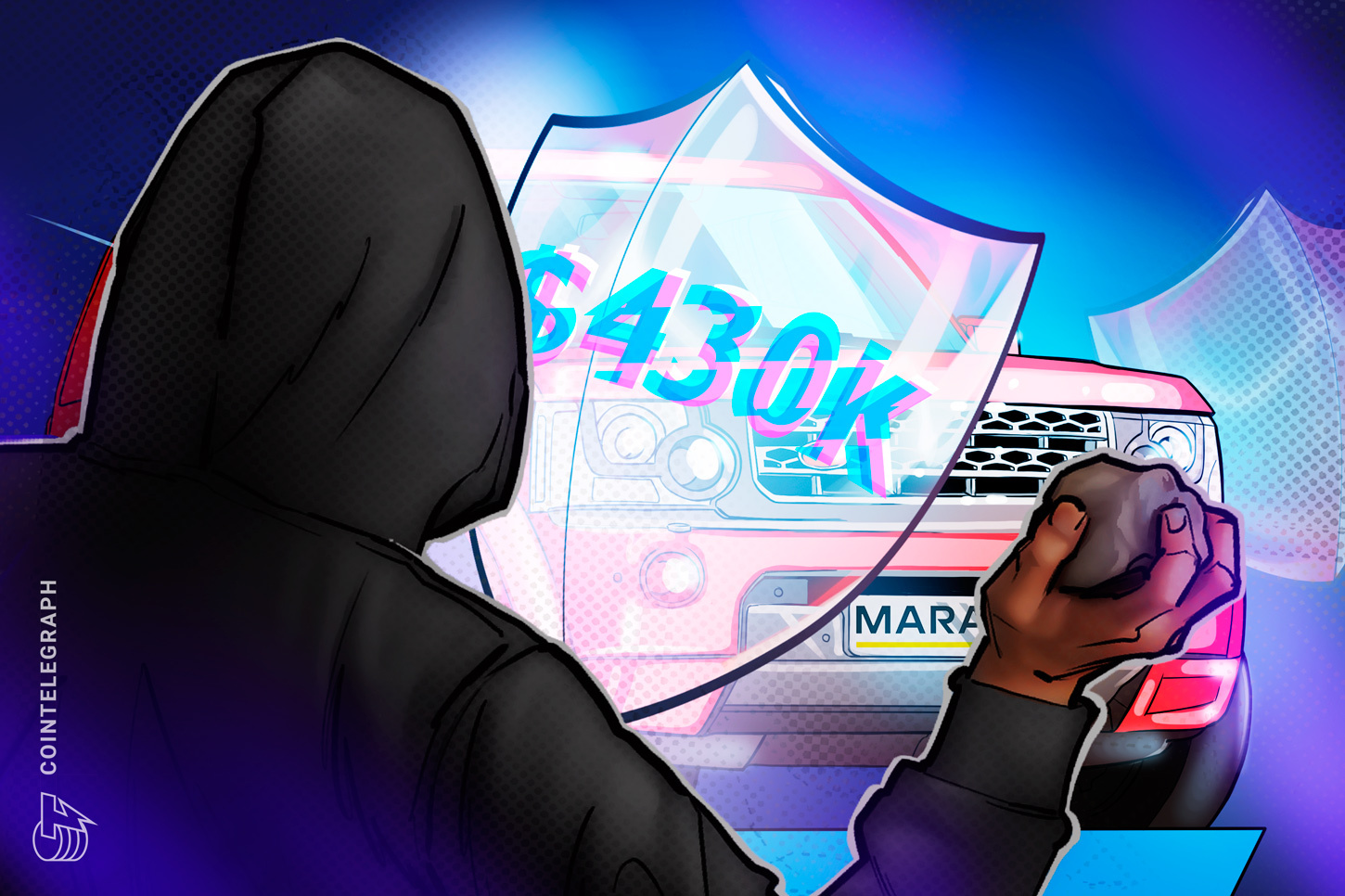
When the digital wallet’s vault is under siege, sometimes the threat isn’t just a string of code, but a physical hand. Bitcoin miner MARA Holdings dropped a cool $4.3 million on its CEO’s personal security last year. This eye-watering sum, revealed in a recent SEC filing, paints a stark picture of the escalating real-world dangers facing executives in the cryptocurrency space.
Forget phishing emails and ransomware. We’re talking about “wrench attacks” – a brutal form of coercion, kidnapping, or outright violence designed to force victims to surrender their private keys and digital fortunes. It’s a stark reminder that as digital assets gain prominence, the physical vulnerabilities of their custodians become a material corporate cost.
And it’s not just the CEO. MARA also shelled out $3.9 million for the chief financial officer’s personal security, including nearly half a million dollars to armor up a vehicle. This isn’t a defensive posture; it’s an offensive one, a preemptive strike against a rising tide of physical threats that cybersecurity alone can’t deflect.
Is This a New Normal for Crypto Executives?
CertiK, a prominent cybersecurity firm, reported a 75% jump in verified physical coercion incidents last year, totaling 72. France, in particular, seems to be a hotbed, registering 19 such attacks. The French government, under pressure, has pledged new “preventative measures,” a move that feels both necessary and perhaps a little late to the party.
The sheer scale of these incidents is chilling. Authorities in France have indicted 88 people in connection with alleged wrench attacks. And just last month, a senior Binance employee in France fell victim to a home invasion, though arrests were made swiftly. These aren’t isolated incidents; they’re signals of a systemic risk that’s rapidly metastasizing beyond the digital ether.
What we’re witnessing here is a fascinating, albeit terrifying, architectural shift. For years, the crypto world’s primary focus has been on securing the blockchain, encrypting transactions, and building firewalls against online predators. Now, the perimeter has expanded dramatically. The threat model has to include door-knockers, not just data packets. This forced evolution, driven by brute force and fear, is compelling companies to invest in physical fortifications as much as digital ones.
The disclosures come as crypto-linked physical attacks, often called wrench attacks, have increased globally. The spending shows how physical security has become a material corporate cost for some crypto companies as executives face threats tied to the public visibility and portability of digital assets.
This isn’t just about protecting assets; it’s about protecting the people who control them. The public-facing nature of crypto, coupled with the immense value locked within private keys, makes executives prime targets. Unlike a bank heist, where the physical location is the target and the money is often insured or replaced, a wrench attack directly compromises the individual’s agency and the immutable nature of their digital holdings. There’s no undo button.
Look, the PR narrative will likely spin this as responsible risk management. And sure, it is. But beneath the corporate speak, there’s a raw, primal fear at play. The value of digital assets isn’t just theoretical; it’s tangible enough to inspire violence. This is a frontier that’s proving far more lawless and dangerous than many initially assumed.
Why Does Physical Security Matter So Much?
The underlying architecture of cryptocurrency, its decentralization and immutability, paradoxically creates these physical vulnerabilities. The lack of central authority means that if you control the private key, you control the funds. This simplicity, so elegant in theory, becomes a direct liability when a threat actor can physically extract that key from its owner.
This trend forces a re-evaluation of how we perceive and manage risk in this nascent industry. It’s no longer solely about sophisticated algorithms and zero-day exploits. It’s about bodyguards, armored cars, and secure facilities. It’s about understanding that the line between the digital and the physical has become perilously thin, especially when millions, or even billions, are on the line.
MARA’s hefty security bill isn’t just a line item in a financial report; it’s a data point illustrating a fundamental, and concerning, evolution in the threats facing the crypto economy. The digital gold rush is apparently attracting a more physical, and far more dangerous, breed of prospector.