The coffee in the analyst’s mug has gone cold. He’s staring at charts, not with the usual manic glee, but with a dawning dread. Bitcoin’s party, it seems, is officially winding down.
CryptoQuant’s 30-day apparent demand indicator just clocked in at its worst reading since December. We’re talking negative 147,000 BTC. This isn’t just a speed bump; it’s a gaping pothole on the road to whatever bull run these guys were dreaming about.
So, what does this metric even mean? It’s basically a supply-and-demand check on the blockchain itself. When it’s positive, buyers are gobbling up new and older coins faster than they hit the market. When it’s negative, like it is now, more coins are flooding out than are being absorbed. Simple, right? Apparently not for everyone.
The Futures Game: Propping Up Prices?
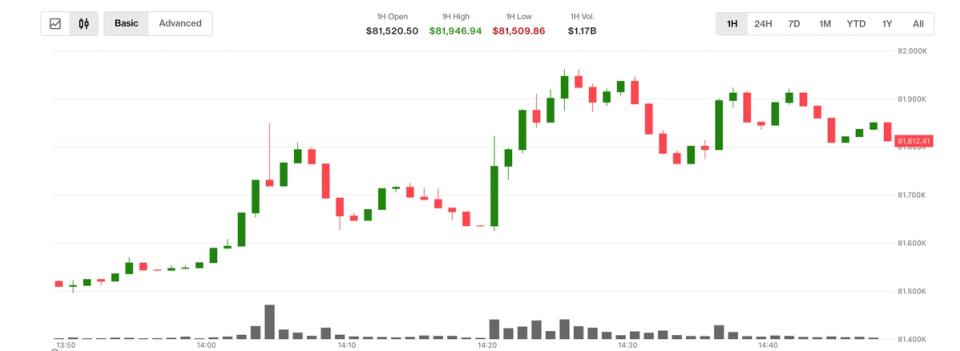
The rally we’ve seen, pushing Bitcoin back into the mid-$70,000s after its April nosedive, has been a bit of a mirage. The real fuel? Not actual people buying the coin, but the ethereal world of futures contracts. The Coinbase Premium, that tell-tale sign of U.S. spot buyer aggression, has been stubbornly negative since April. That means offshore traders and speculators are doing the heavy lifting.
And here’s the kicker: futures-led rallies are about as stable as a Jenga tower during an earthquake. use positions can unwind faster than you can say ‘margin call.’ Spot accumulation, on the other hand, involves actual capital, actual BTC. It’s stickier. Less likely to evaporate when the first hint of trouble appears.
Is $70,000 the New Ground Zero?
Look, this doesn’t mean Bitcoin is going to tank tomorrow. Weak demand can linger, propping up prices in a range for weeks. But it certainly makes the market more… fragile. If fresh spot demand doesn’t show up, and soon, the $70,000 mark becomes a critical battleground. This is where recent buyers, those who jumped in near the bottom, see their paper gains evaporate. The incentive to cash out? It’ll be immense.
What we’re seeing is a classic case of the market being driven by narratives and speculative froth, rather than fundamental adoption. It reminds me of the ICO craze of 2017, where hype outpaced utility, leading to a spectacular crash. While Bitcoin’s underlying technology is far more strong than those early tokens, the market dynamics can still be eerily similar. People get caught up in the FOMO, pile into derivatives, and forget that, at the end of the day, someone actually has to own the asset.
This isn’t the first time we’ve seen demand indicators falter while prices seemingly hold. It’s a dangerous game. The real question isn’t if the market will reprice based on actual demand, but when. And the current data suggests ‘when’ is closer than the bulls would like to admit.
It’s a stark reminder that the shiny numbers on the screen don’t always reflect the underlying health of the ecosystem. This “Bitcoin demand gauge sinks to worst level since December as spot buying weakens” headline isn’t just data; it’s a siren song. Are we listening?
What About MicroStrategy?
Speaking of Bitcoin-related news, MicroStrategy (MSTR) has been busy. They’ve apparently repurchased $1.5 billion of their convertible senior notes due 2029 for $1.38 billion. Used cash for this, which nibbled their reserves down to $871 million. MSTR is up premarket, naturally, alongside a modest Bitcoin price increase. It’s a classic dance: MSTR moves with BTC, and when BTC sneezes, MSTR catches a cold. This debt buyback is a move to manage liabilities, sure, but it’s still a bet on Bitcoin. A big bet.
🧬 Related Insights
- Read more: Bitcoin, Nasdaq Soar While Consumers Sour: An AI-Driven Divide?
- Read more: Bitcoin’s Sneaky $88K Setup: Whales Hoard, Bulls Sniff Blood
Frequently Asked Questions
Will this demand slump cause Bitcoin’s price to crash?
Not immediately. Weak demand can keep prices range-bound for a while. However, a prolonged lack of spot buying increases the market’s vulnerability to sharp downturns if use positions unwind or sentiment shifts negatively.
Is the futures market bad for Bitcoin?
Not inherently, but it can distort price discovery and create volatility. A rally driven solely by futures, without corresponding spot demand, is less sustainable than one backed by actual BTC accumulation.
What does a negative Coinbase Premium mean?
It suggests that offshore traders and platforms are showing more interest in Bitcoin than U.S. spot buyers. This can indicate differing market sentiment or trading strategies between regions.