Bhutan’s wallets just lit up again. 319.7 BTC, $22.68 million at current prices, shuffled out Thursday to addresses tied to Galaxy Digital and OKX — classic sale routes.
That’s the latest in an 18-month bleed. Holdings plunged from 13,000 BTC in October 2024 to 3,954 today, worth $280.6 million. Seventy percent gone. $215.7 million exited this year alone, per Arkham Intelligence.
Bhutan Bitcoin Sell-Off: The Numbers Don’t Lie
Bhutan has quietly sold about 70 percent of the roughly 13,000 bitcoin it held in October 2024, reducing its stash to 3,954 BTC worth about $280.6 million.
Look. This wasn’t some flash crash panic. Steady outflows, month after month. Druk Holding and Investments — the sovereign wealth fund behind it all — stays silent. No emails answered, no calls returned. (CoinDesk tried; crickets.)
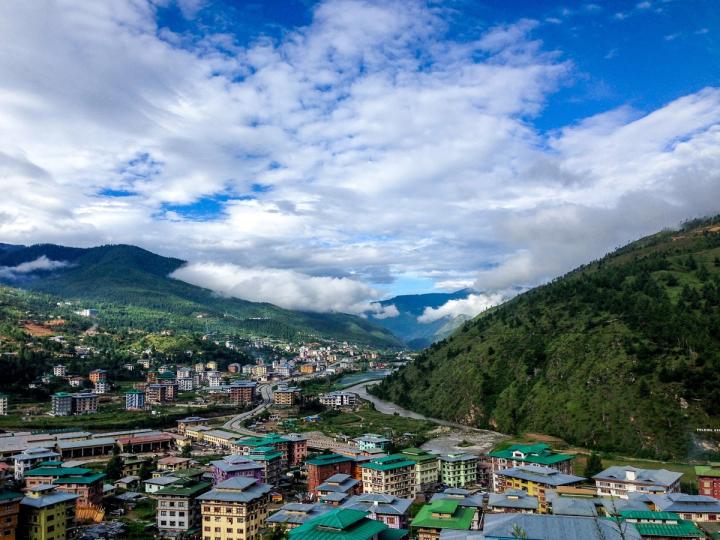
Bhutan kicked off as crypto’s sovereign poster child. Tiny kingdom, endless hydropower from glacial rivers. No Wall Street baggage. They mined BTC with clean energy, stacked 13,000 coins. Proof small nations could play.
But reality bites harder than narrative. Last big mining inflow? Over a year ago, under $100,000. Zilch since. They’re not replacing what’s sold. Just draining the reservoir.
And here’s my take — the one you won’t find in the press releases. This mirrors Norway’s early oil fund days, when they debated dumping petroleum profits into stocks too soon. Bhutan bet on Bitcoin’s forever-up, but volatility plus halvings crushed the small-scale edge. Bold call: Expect more “pioneer” miners to fold unless they’ve got El Salvador-scale political will.
Why Is Bhutan Dumping While Wall Street Hoards?
Everyone else loads up. MicroStrategy grabbed 4,871 BTC last weekend — $330 million — pushing to 766,970 total. U.S. spot ETFs slurped 50,000 BTC in March alone. Ethereum Foundation? Staked $93 million ether instead of selling. Even gold bugs pile in amid Middle East flares.
Bhutan? Solo sovereign seller. Their 3,954 left? MicroStrategy buys that in a week. Ouch.
Economics explain it cold. Bitcoin at $71,000 — down from $90,000 peaks. Network difficulty? All-time highs. Post-halving reward: 3.125 BTC per block. Small ops like Bhutan’s get squeezed. Hardware depreciates; power costs don’t.
Sell electricity to India instead? Smarter cash. Hydropower’s steady; Bitcoin’s a rollercoaster. Margins vanished.
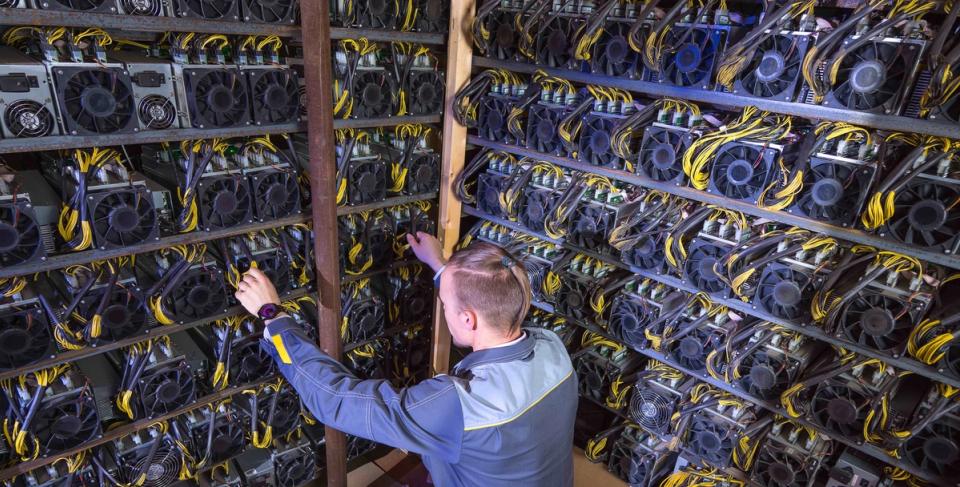
Picture this sprawl: Vast dams churning gigawatts, once fueling ASICs humming in mountain bunkers. Now? Silent rigs, gathering dust — or scrapped. The kingdom traded crypto hype for real revenue. Pragmatic? Absolutely. But it punctures the “Bitcoin for nations” balloon.
No public word from Druk Holdings. Not on sales. Not on mining status. Silence screams retreat.
Is Sovereign Mining Still Viable Post-Halving?
Short answer: For most, no. Bhutan’s experiment proved the concept — until it didn’t.
They harnessed 100% renewable power. Edge over dirty Texas rigs or Siberian gas-burners. Yet even that crumbled under difficulty walls.
Network hash rate exploded 300% since 2022. Halvings every four years slash rewards. Small sovereigns can’t scale like corporates with cheap debt or subsidies.
Compare El Salvador. Nayib Bukele doubles down, buys dips with IMF fights. Political armor Bhutan lacks. They’re a happy Buddhist monarchy — not crypto revolutionaries.
My prediction: Sovereign mining survives only in hydro-rich giants (Canada’s Quebec? Maybe) or volcano-subsidized outliers. Everyone else? Buy ETFs or hold gold.
Bhutan’s unwind spotlights the gap. Narrative sells sovereignty via Bitcoin. Data shows operational hell for drawdowns.
This isn’t anti-Bitcoin. Holdings at $280 million still dwarf most countries’ crypto bets. But it’s a warning flare. Small states chasing mining glory face the same trap as junior gold miners — boom times lure, bears bankrupt.
MicroStrategy’s Saylor? Genius use. Bhutan’s fund? Conservative unwind. Who’s smarter long-term? Data says the seller dodging 50% drawdowns.
Zoom out further. Crypto’s nation-state rush — Russia stacking, Germany considering — ignores Bhutan’s lesson. You need infinite patience or infinite capital. Most don’t.
The kingdom pivots back to tourism, carbon credits, hydro exports. Bitcoin joins the what-if pile.
🧬 Related Insights
- Read more: Dmail’s Collapse Exposes the Fatal Flaw in Web3 Communication
- Read more: CZ Pumps Cash into Predict.fun as World Cup Looms
Frequently Asked Questions
Why did Bhutan start Bitcoin mining?
Bhutan’s cheap hydropower made mining a no-brainer — clean energy turning rivers into BTC, no fossil fuels needed.
What’s left of Bhutan’s Bitcoin after the sales?
3,954 BTC, valued at about $280.6 million as of now, down 70% from their peak stash.
Is Bitcoin mining profitable for countries like Bhutan anymore?
Not at current difficulty and prices — they’d make more selling power to India than running rigs.