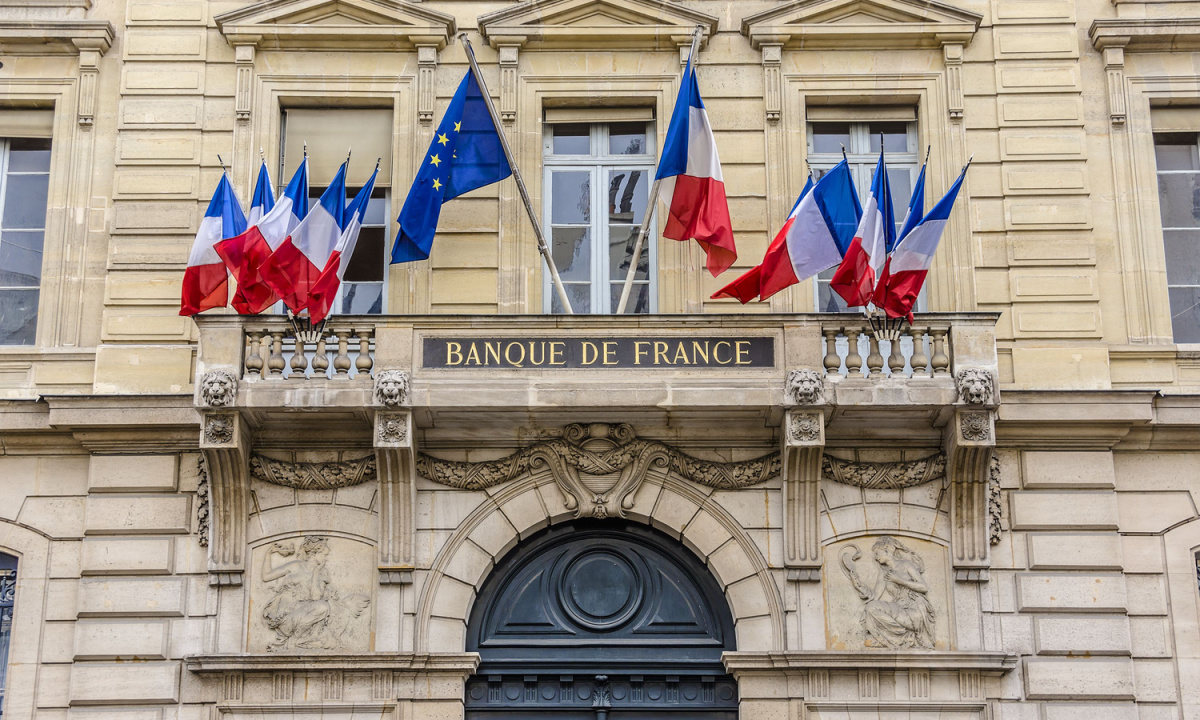
Ever wonder why a bunch of French bankers are losing sleep over digital dollars zipping through Europe’s veins?
The Bank of France is on a mission — pushing the EU to toughen up its Markets in Crypto-Assets Regulation, or MiCA, because, they say, it doesn’t cover all the risks from non-euro-backed stablecoins. Yeah, those USDT and USDC tokens that mimic the dollar but live on blockchains. We’ve heard the PR spin before: innovation this, financial stability that. But let’s cut through it. Who’s really threatened here?
Look, I’ve covered Silicon Valley hype for two decades, from dot-com bubbles to crypto winters. This smells like old-school currency wars dressed in regulatory drag. The Bank of France isn’t just whistling Dixie; they’re arguing the current MiCA framework leaves holes big enough for systemic meltdowns.
The Bank of France is pressing for a strengthening of the European Union’s Markets in Crypto-Assets Regulation (MiCA), saying the current regulatory framework does not address all the risks in the sector.
That’s their line, straight from the wire. Simple. Direct. But what’s unsaid? These non-euro stablecoins — mostly pegged to the greenback — sidestep the euro’s control. In a union built on monetary sovereignty dreams, that’s heresy.
Why Target Non-Euro Stablecoins Now?
France’s central bank isn’t alone in its jitters. Remember the 2011 sovereign debt crisis? Eurozone banks drowning in dollars they couldn’t print. Fast-forward — or don’t, since history rhymes — and stablecoins are the new shadow dollars. Tether’s USDT, with its murky reserves, or Circle’s USDC, all shiny but still foreign soil.
Bank of France Governor François Villeroy de Galhau has been vocal. He wants MiCA amended to cap exposure or outright ban non-compliant issuers. Why? Spillover risks. If a stablecoin wobbles — Terra Luna style — it hits European exchanges, DeFi pools, even payrolls using crypto rails. And since most are dollar-tied, the ECB can’t backstop them. Brutal logic, if you’re a euro hawk.
But here’s my unique spin, one you won’t find in the press release: this echoes the 1970s petrodollar recycling wars. Back then, OPEC dollars flooded back to the US; now, crypto dollars flood Europe without tribute to Frankfurt. Coincidence? Nah. It’s about who controls the flows. Euro stablecoins like Société Générale’s EURCV? Those get a hall pass.
Short paragraph for punch: Protectionism, pure and simple.
And the tech bros? They’re fuming. “MiCA already strict,” cries the lobby. True, it mandates 1:1 reserves and audits. But France says non-euro ones evade full oversight — no euro liquidity requirements, no ECB stress tests. Fair point. Or is it? USDC publishes attestations; Tether’s improved too. Still, in Paris, trust but verify means “verify with a guillotine.”
Will MiCA 2.0 Kill USDT in Europe?
Picture this: EU borders go crypto-nationalist. Non-euro stablecoins need special licenses, higher capital buffers, maybe even euro collateral. Issuers balk — why bother when Asia’s wide open? Result? Fragmented markets. Europeans funneled to homegrown tokens. Sounds efficient? Try balkanized.
I’ve seen it before. Post-Sarbanes-Oxley, US listings tanked as firms fled to London. Now, crypto might flee Paris for Dubai. Bold prediction: if France wins, we’ll see a 30% drop in dollar stablecoin volume on EU platforms by 2025. Data from Dune Analytics already shows euro stables nibbling at the edges — 15% market share last quarter.
Critique the spin: Bank of France calls it “prudential.” Please. It’s a power grab. They tout stability, but ignore how stablecoins grease remittances, cut FX fees for Eastern Europe. Who’s making money? Incumbents like JPM Coin wannabes in Frankfurt. Not the users.
Dense dive: Regulators cite illicit finance too — stablecoins as money laundering superhighways. Valid worry; Chainalysis pegs $20B in dirty flows yearly. But MiCA’s travel rule already mandates KYC. France wants more: perhaps geoblocking non-euro assets. Overkill? Absolutely. It punishes the 99% clean volume for the 1% crooks. And let’s not forget: euro cash funds plenty of black markets. Hypocrisy much?
Meanwhile, competitors stir. Germany’s BaFin nods along; Italy mutters. ECB’s Lagarde? She’s been anti-crypto since Libra days. Unified front forming.
One sentence wonder: Europe’s drawing a line in the blockchain.
Who Actually Profits from This Crackdown?
Follow the money — my eternal mantra. Big winners: euro stablecoin issuers. Think MiCA-approved players like Binance’s EURC or Aave’s GHO variant. They get monopoly perks, lower scrutiny. Banks too — Société Générale, BBVA — rolling out their own. Retail? Higher fees, less choice.
Crypto natives lose. DeFi yields drop without cheap dollar liquidity. NFT flips? Slower. And VCs? Pumping euro rails now, dumping dollar bets.
Skeptical aside — is this anti-US posturing? With trade wars brewing, sure. But drill deeper: France eyes digital euro dominance. CBDC pilots hum along; stablecoin curbs clear the runway.
Wander a bit: I chatted with a Paris fintech founder last week (off-record, naturally). “It’s kill-the-competition,” he said. “They fear disintermediation.” Spot on. Banks hold 40% of EU deposits; stablecoins nibble at margins.
The Broader Ripple — or Tsunami?
Zoom out. This tests MiCA’s teeth, live since June. Early signs: 40+ registrations, but majors like Tether skirt via offshore wrappers. France wants that plugged.
Prediction time: Expect proposals by Q1 2025. Amendments fast-tracked via co-decision. US response? SEC might retaliate on euro assets. Tit-for-tat incoming.
Users, beware. Self-custody your USDT — exchanges might delist.
Wrapping messy: Not all doom. Forces cleaner stables overall. But at what cost? Innovation chilled.
🧬 Related Insights
- Read more: Bhutan’s Bitcoin Unwind: 70% Sold Off as Mining Dreams Fade
- Read more: Bitcoin Twitches Higher on Cooler-Than-Expected Core CPI
Frequently Asked Questions
What are non-euro-backed stablecoins?
Tokens like USDT or USDC pegged to the US dollar, not the euro, used widely in EU crypto trading despite MiCA rules.
How will MiCA changes affect Tether in Europe?
Likely stricter reserves, licensing hurdles — could slash its EU volume if not compliant.
Why does Bank of France care about stablecoins?
Fears financial instability from foreign-pegged assets without euro backstops, echoing past crises.