
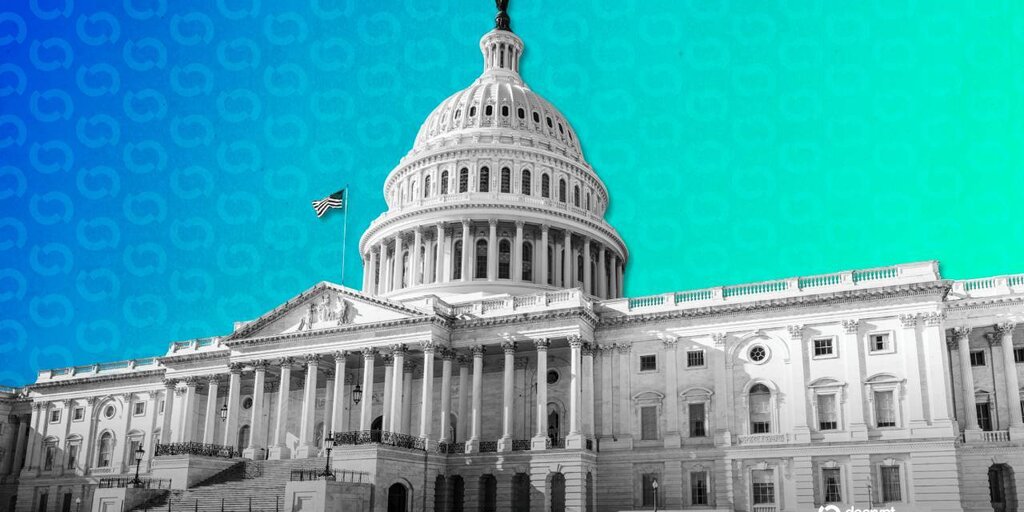
Circle's $232M Drift Hack Freeze: Why Speed and Law Don't Mix
Circle couldn't move faster to stop the Drift hack without legal risk. Here's why the stablecoin issuer's caution—not negligence—is the real story.
Nium just collapsed months of engineering work into days. By connecting stablecoin balances directly to Visa and Mastercard through a single API, the payments platform is answering the question that's been quietly haunting enterprise crypto: how do you actually spend this stuff at scale?
Cambodia just passed draconian penalties for crypto scammers—up to five years in prison and $125,000 fines. The catch? The government has historically ignored these operations entirely.
The Ethereum Foundation just dumped $92 million into staking—and it's not just about earning yield. This move could reshape how crypto's most important infrastructure gets funded, but it's also forcing a reckoning with decentralization itself.
Charles Schwab is finally entering the spot crypto market. After years of hedging and regulatory hand-wringing, the brokerage giant is about to make buying Bitcoin and Ethereum as easy as ordering a sandwich.
An experienced macro investor just dropped a sobering take: Bitcoin traders are betting on a quick Iran resolution. If that's wrong, crypto could face a brutal 20% correction—and it might be the least of our problems.
Charles Schwab is finally getting serious about crypto. In 2026, the brokerage giant will let customers buy bitcoin and ether directly—and that's either smart diversification or a sign the crypto casino is going mainstream.
Forget siloed services—SoFi's new Big Business Banking mashes fiat and crypto into one smoothly, regulated beast. It's the platform shift enterprise has craved.
Imagine Circle — USDC's daddy — wrapping your Bitcoin in their shiny new cirBTC. Sounds convenient, until you remember they killed their last Bitcoin experiment.
Coinbase just got the OCC's nod for a national trust charter — holding over $250 billion in crypto custody assets. Skeptical vets like me wonder: does federal uniformity really help users, or just Coinbase's bottom line?
Binance processed $4.9 trillion in derivatives last quarter—35% of the top pack. Yet Hyperliquid, a perp DEX, just muscled into the top 10, hinting at fractures in the old guard.
Four years after launching with Sequoia backing, Fi is killing its core banking service and pivoting to 'deep technology.' Translation: the neobank model didn't work, and they're searching for a business that does.
SoFi just made a bold bet: what if a regulated bank could move money like a crypto exchange, 24/7, without leaving the banking system? Big Business Banking is that gamble.
A commercial fleet lender just paid $1.64 million to settle allegations it deliberately exploited California's loan loss insurance program. The real story? How a trusted middleman gamed the system designed to help borrowers with bad credit.
A New York restaurateur just got caught running a $50 million no-fault insurance scam. But here's what should actually worry you: he's probably not even close to being alone.
The Clarity Act's most contentious provision is nearly settled. And if Coinbase is right about a deal within weeks, it could unlock billions in domestic stablecoin revenue—and force U.S. crypto platforms to actually compete.
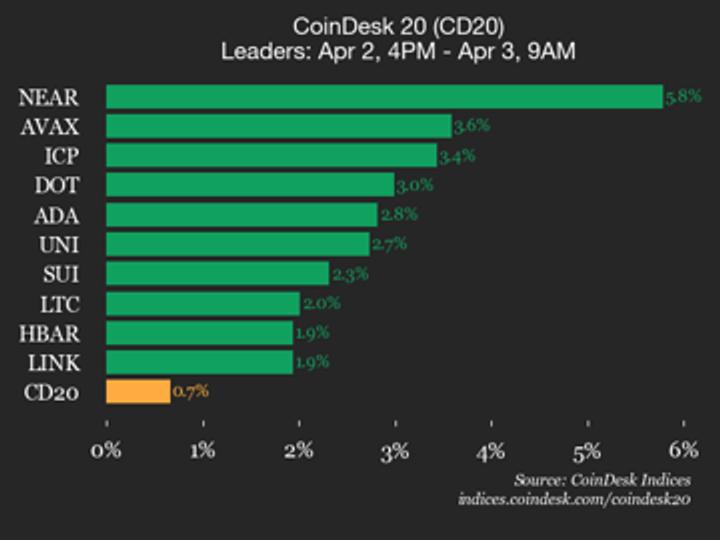
Bitcoin's treading water while the rest of crypto's having a party. Is this the kind of market split that precedes a crash—or a sign smarter money's already moving?
Canadian FinTech funding exploded 52% year-over-year in Q4 2025, but the real story isn't the headline number—it's that investors are suddenly willing to write bigger checks. What changed?
Nottingham Building Society just wrapped a massive core banking modernisation with SBS—a quiet but significant move that signals how legacy mutuals are finally fighting back against fintech disruption.
A Connecticut resident lost $234,000 to a fake security letter. Federal agents recovered $600K. But this isn't a feel-good ending—it's a warning about how far scammers will go.