A lone trader watches his screen, the red lines of a Bitcoin chart mirroring the sinking feeling in his gut.
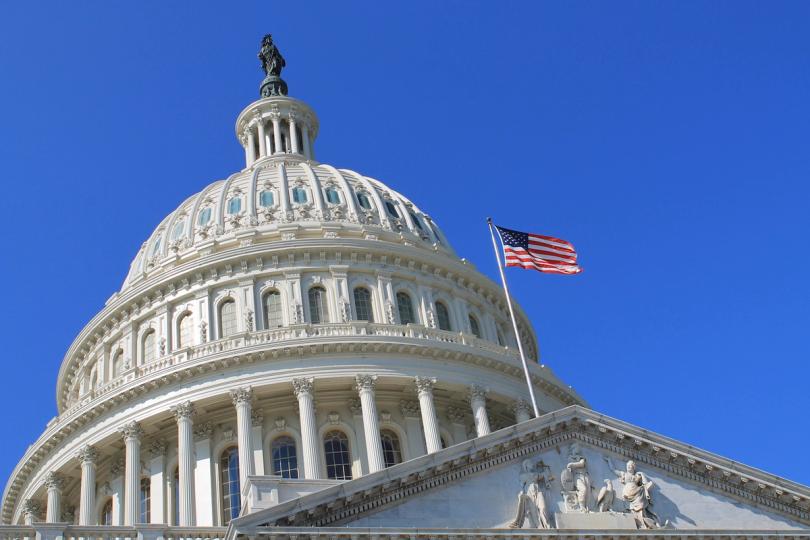
The CLARITY Act. Finally, a bit of actual legislation from Washington on this whole digital asset kerfuffle. You’d think, given the supposed urgency and the endless parade of talking heads, that this would be the catalyst for some kind of crypto renaissance. Instead, we got… well, we got more hand-wringing and the usual market wobble.
Nic Puckrin from Coin Bureau points out the obvious: Bitcoin couldn’t even muster a decent pump. Apparently, the $82,000 resistance was too much to ask, even with ETF inflows. He blames geopolitical nonsense, specifically the Strait of Hormuz reopening for summer. Because, naturally, global oil supply dictates the fate of decentralized finance.
The regulatory news was mostly priced in, but the geopolitical and macro headwinds aren’t – mostly because the situation remains so uncertain.
Here’s the thing: positive regulatory news alone isn’t going to send Bitcoin to the moon. It’s all tied up in US-Iran negotiations. Because that’s exactly what you want influencing your investment strategy – hostage diplomacy. The market’s apparently on hold, waiting for a ceasefire to get its rally on. Sounds about right for a market that thrives on hype and speculation.
Antoine Scalia, CEO of Cryptio, tosses in a more nuanced, albeit still slightly bewildering, perspective. He worries about legislative windows slamming shut before the midterms. If CLARITY loses steam, the whole thing could get muddled by committee dynamics and shifting House control. He frames it as a risk of extending regulatory uncertainty, which, frankly, seems to be the crypto industry’s natural habitat.
Scalia also touches on the bank deposit migration issue, noting the White House CEA’s analysis suggesting a stablecoin yield ban might not be the boogeyman some claim, while hurting consumers. The framing, he argues, shouldn’t be banks versus crypto, but rather how digital dollars can coexist with traditional deposits. A noble thought. Most days, I’d say that’s a pipe dream.
Stablecoins: The New Banking Rail?
Chandler Fang, founder of t54, sees the CLARITY Act as a signal that stablecoins are increasingly getting the banking treatment. This is where it gets interesting—or at least, less boring. He highlights the high cost of card interchange fees (2-3% plus fixed fees) and suggests stablecoins are now poised to snatch market share for small-value digital payments, where those economics were always a joke. It’s about time someone noticed the exorbitant fees charged by Visa and Mastercard. They’ve been ripping us off for decades.
But Fang brings up a critical, often overlooked point: custodian-side KYC, AML, and sanctions monitoring. These systems are still struggling to keep pace with the potential scale and speed of stablecoin transactions. His company, t54, is apparently using AI agents to tackle this compliance headache. Because what the world needs now is more AI trying to solve problems humans created by building things too fast.
Joshua Kim, CEO of DonaFi, waxes poetic about how CLARITY will accelerate crypto payments by offering businesses a predictable framework. He points to DoorDash integrating stablecoin payments as evidence of these assets becoming core infrastructure. Replacing fragmented payment systems with blockchain settlement, he claims, reduces friction, improves liquidity, and enables faster cross-border transfers. Sounds good on paper. We’ll see if it actually translates beyond the tech bros’ echo chambers.
Ivan Patriki, co-founder of QuantMap, echoes this sentiment, stating the bill provides a clearer rulebook for merchants. Legal uncertainty, he explains, was a major deterrent. If you don’t know if a token is a security or a commodity, your compliance team is going to shut you down. CLARITY helps sort that out, making crypto payments feel less like a regulatory gamble and more like a practical option. About time.
VCs See the Light (Or Just the Exit)
Emily Goodman, a partner at FS Vector, notes that VCs are generally supportive, not because they’re suddenly altruistic, but because regulatory clarity reduces risk. More confidence in digital asset business models means more capital deployed, and potentially, better exit opportunities. It’s all about the money, folks. Shocking, I know.
The bipartisan advancement of the CLARITY Act out of committee is supposed to put the US back in the global digital asset race. A race we were apparently losing. Or perhaps, a race we never should have entered in the first place. It’s a classic case of government playing catch-up, trying to slap some order onto a technology that was designed, in part, to escape such control.
What’s missing from all this breathless commentary is a healthy dose of skepticism. We’re being sold a vision of regulatory utopia. But the devil, as always, is in the details. And with crypto, those details have a nasty habit of biting back. This legislation is a step. But it’s a step on a path that’s still largely unmapped, and likely to be fraught with more regulatory surprises, market volatility, and undoubtedly, plenty of missed opportunities for those who jump in too soon or too fast.
The real question isn’t whether CLARITY has passed. It’s whether the industry is truly mature enough to handle it, or if this is just another gilded cage. My money’s on the cage.