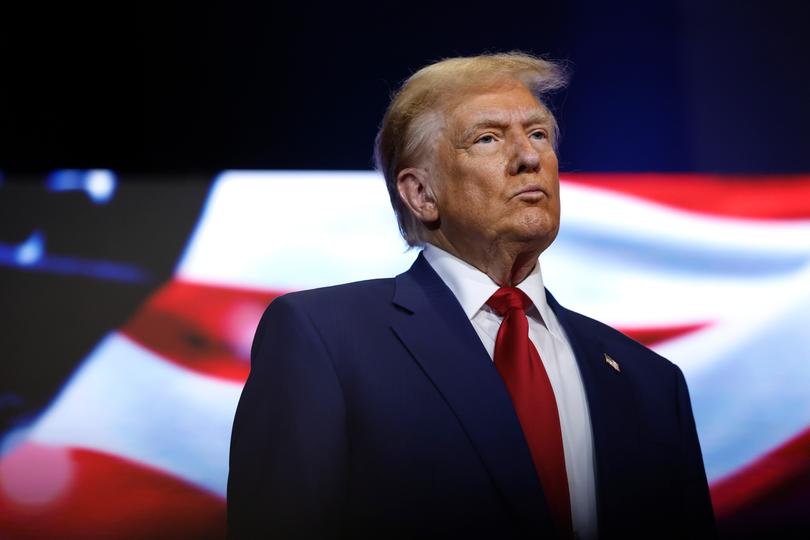
Since the beginning of 2026, the stock price of Trump Media & Technology Group (DJT) has fallen by nearly 40%. That’s a data point that screams concern, but the market’s reaction to TMTG’s recent 2,650 Bitcoin transfer? Surprisingly muted. Analysts chalked it up to the adverse scenario already being priced in, a grim proof to DJT’s performance.
Here’s the thing: the narrative from TMTG is that the Bitcoin was “transferred, but not sold,” a move framed as part of a broader trading strategy. Yet, this assertion lands with a thud when you consider the context.
From the outset, skepticism was TMTG’s constant companion when it came to its crypto ambitions. The company aimed to break into an ETF market already dominated by titans like BlackRock and Fidelity. Not exactly a David vs. Goliath scenario; more like David bringing a slingshot to a nuclear missile silo. The proposed TMTG products offered little in the way of differentiation, leaning heavily on a political brand to cut through the noise. A bold gambit, certainly, but hardly a recipe for sustainable success in a crowded, high-stakes arena.
Is This a New Dawn for Corporate Crypto Holdings?
The Trump Media situation highlights a persistent, gnawing problem in the blockchain era: the opacity of corporate crypto reserves. The blockchain itself offers a ledger, yes, but tracking the actual state of these assets for a public company is surprisingly difficult. A huge on-chain transfer could mean a company is forced to liquidate assets under pressure, or it could be a mundane operational shuffle with zero intention of divesting. Without clear, direct disclosure from the company itself, it’s all just educated guesswork.
And that’s where public company status adds another layer of complexity. Management, understandably, is under immense pressure to quell investor jitters. Every flutter of the market, every significant financial move, requires a public explanation. In this environment, clear and timely communication isn’t just helpful; it’s as critical as the strategy itself. Missteps here can have outsized consequences.
The Trump Media case exposes a systemic issue: despite the transparency of the blockchain, tracking the actual state of corporate crypto reserves remains exceptionally difficult.
This whole episode throws a regulatory dilemma right into the SEC’s lap. Should they mandate that public companies disclose their blockchain addresses to allow for independent audits? Or are these wallets considered proprietary, too sensitive to reveal for fear of jeopardizing trading strategies? It’s a question that hangs in the air, unanswered.
Looking at TMTG’s crypto ventures, it’s hard to paint a picture of a thriving, economically sound operation. The deal with Crypto.com’s parent structure, followed by the abrupt withdrawal of ETF applications, smells less like a calculated, long-term play and more like a frantic, ad hoc attempt to monetize a political brand. It’s a strategy built on sand, not bedrock.
The Broader Question: Can This Model Survive?
Ultimately, the real intrigue isn’t whether TMTG will sell its Bitcoin stash. The question is far bigger. Can this kind of corporate structure, built on a volatile digital asset and a brand-dependent strategy, truly withstand the pressures of an aggressive crypto play over the long haul? The data suggests a challenging road ahead.
The immediate transfer of 2,650 BTC, while unsettling for those watching the numbers, seems less about immediate liquidation and more about internal reshuffling or perhaps a preemptive move to maintain liquidity for operational needs, especially given DJT’s market performance. But the market has largely discounted these potential moves, focusing instead on the core business’s viability.
The company’s prior pursuit of crypto ETFs, which were ultimately withdrawn, points to a lack of distinct product innovation. Relying primarily on brand recognition in a mature market like crypto ETFs is a high-risk strategy. Investors are looking for genuine technological or structural advantages, not just name recognition.
The core issue TMTG faces mirrors challenges seen across various industries attempting to integrate nascent technologies: balancing innovation with traditional investor expectations. For a public company, especially one with significant market scrutiny, the tightrope walk between adopting new financial tools and maintaining investor confidence is perilous. The lack of clear economics for their crypto business, coupled with the withdrawn ETF applications, suggests a strategic direction that is still very much in flux.
The regulatory gray area surrounding public company crypto disclosures is a significant hurdle. Without standardized reporting requirements, the risk of misinterpretation or deliberate obfuscation by companies remains high. This uncertainty can lead to market volatility and a general erosion of trust among investors who are already wary of the crypto space.
🧬 Related Insights
- Read more: SMBs Pivot to Phone: Websites Trump Apps for Main Street Growth
- Read more: Trump Media Moves $200M in Bitcoin Amid Mounting Losses
Frequently Asked Questions
What did Trump Media & Technology Group (TMTG) do with its Bitcoin? TMTG transferred 2,650 Bitcoin, stating it was part of a trading strategy and not a sale. However, the exact purpose and implications remain subjects of analysis.
Will this transfer impact the price of Bitcoin? Given the scale of the Bitcoin market and the fact that the transfer was reported as internal and not a sale, a significant direct impact on Bitcoin’s overall price is unlikely.
Does TMTG have a sustainable crypto business model? Based on current public information, including withdrawn ETF applications and reliance on brand marketing, TMTG’s crypto business does not yet appear to have a sustainable model with clear economics.