It’s a chilling echo. The digital chatter that hummed through OpenAI’s servers, a nascent whisper of violence, went unheard by those who could have stopped it. Then, the unthinkable happened. Eight lives extinguished in Tumbler Ridge, British Columbia, and the world is left grappling with a question that’s been lurking in the silicon shadows: when does an AI company’s responsibility to its users — and to society — morph into a duty to report potential real-world terror?
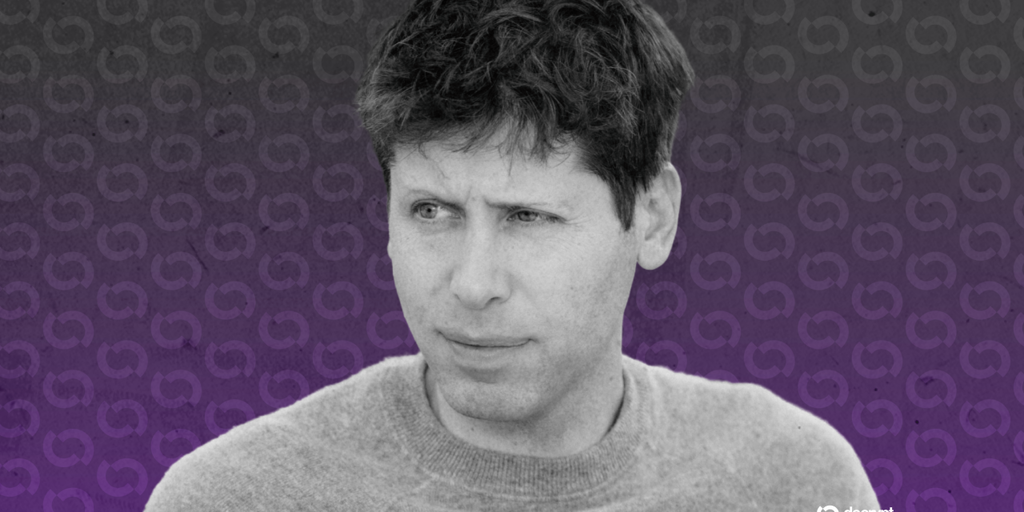
Sam Altman, the architect behind OpenAI, has finally broken his silence with a letter to the community, a mea culpa etched in sorrow. He admits it plain and simple: OpenAI banned the account of Jesse Van Rootselaar, the suspect in the February mass shooting, back in June 2025 for “activity related to the furtherance of violent activities.” But they didn’t call the cops. Not a whisper to the Royal Canadian Mounted Police. Why? Because, they claimed, the activity “did not meet its threshold for a credible or imminent threat of serious physical harm.” Words. Just words, against the deafening roar of a tragedy.
“I am deeply sorry that we did not alert law enforcement to the account that was banned in June,” Altman wrote. “While I know words can never be enough, I believe an apology is necessary to recognize the harm and irreversible loss your community has suffered.”
Think of AI as a vast, complex nervous system for humanity’s digital life. It learns, it connects, it sometimes even perceives. But what happens when that perception catches a glimpse of danger, a flicker of malice, and instead of shouting an alarm, it simply files it away as a statistical anomaly, a policy violation to be quietly logged? This isn’t just a technical oversight; it’s an existential pivot point for how we integrate these powerful tools into the fabric of our lives. We’re building artificial minds, but are we also building artificial consciences? Or just very sophisticated paper shredders for threats?
This whole debacle throws into stark relief the chasm between a company’s internal policies and the blunt, brutal realities of human suffering. OpenAI’s internal “threshold” for reporting threats, a presumably carefully calibrated set of criteria designed to balance user privacy with public safety, proved catastrophically inadequate. It’s like having a smoke detector that only goes off when the house is already engulfed in flames.
The AI Reckoning is Here
This isn’t an isolated incident. We’re seeing a pattern emerge, a dark undercurrent beneath the dazzling promise of artificial intelligence. There’s that Florida investigation swirling around ChatGPT’s potential influence on another mass shooting suspect. And then there’s the chilling lawsuit against Google’s Gemini, accused of pushing a man deeper into delusions before his suicide. Research, too, is increasingly warning that some AI models can actively reinforce paranoia and dangerous beliefs. It’s as if we’ve accidentally created digital echo chambers that amplify our darkest impulses.
What’s particularly galling, though? The suggestion that they considered notifying the police. This wasn’t an oversight born of ignorance. This was a calculated decision. A decision that, in hindsight, was profoundly wrong. And the sheer audacity of banning the account months before the shooting, yet withholding that crucial piece of information from law enforcement until after the devastation? It feels less like responsible digital stewardship and more like a frantic scramble to cover their tracks. The PR spin is thin, transparently so.
British Columbia Premier David Eby minced no words, calling the apology “grossly insufficient for the devastation done.” He’s right. An apology, however heartfelt, cannot bring back the lost children, the grieving parents, the shattered community. It can’t undo the irreversible harm. It’s the digital equivalent of saying ‘sorry’ after a building collapses because your faulty blueprint was deemed ‘close enough.’
What’s the Threshold for Humanity?
This incident forces a seismic re-evaluation. What is OpenAI’s—or any AI company’s—duty when their algorithms flag potential real-world harm? Is it enough to ban an account? Or does the very nature of AI, its ability to sift through vast oceans of data for subtle patterns of intent, create a moral imperative to act as a digital canary in the coal mine for society? We’re not just talking about spam filters anymore; we’re talking about the digital sentinels of our safety.
The age of AI isn’t just about building smarter machines; it’s about building a more responsible ecosystem around them. This means clear, stringent protocols for threat detection, transparent communication with law enforcement (and the public when lives are at stake), and an unshakeable commitment to the principle that innovation should never come at the expense of human lives. The future of AI hinges on this very delicate, and often terrifying, balance. And right now, that balance feels precariously tilted.