Everyone expected AI to write, to analyze, to automate tasks. What few anticipated with such clarity, however, was AI needing to pay for things. Not through human proxies or clunky API calls, but autonomously, securely, and with verifiable compliance. This is the frontier OwlTing Group is planting its flag on with its new OwlPay Wallet Pro for Agents.
It’s a subtle but seismic shift. We’ve been focused on giving AI the power of cognition, the ability to process information and make decisions. OwlTing’s pitch? Granting AI the power of transaction, but crucially, within a regulated framework. This isn’t just another crypto wallet; it’s an attempt to build the foundational plumbing for what McKinsey projects could be a $3-5 trillion global market for agentic commerce by 2030.
The Architecture of Autonomous Transactions
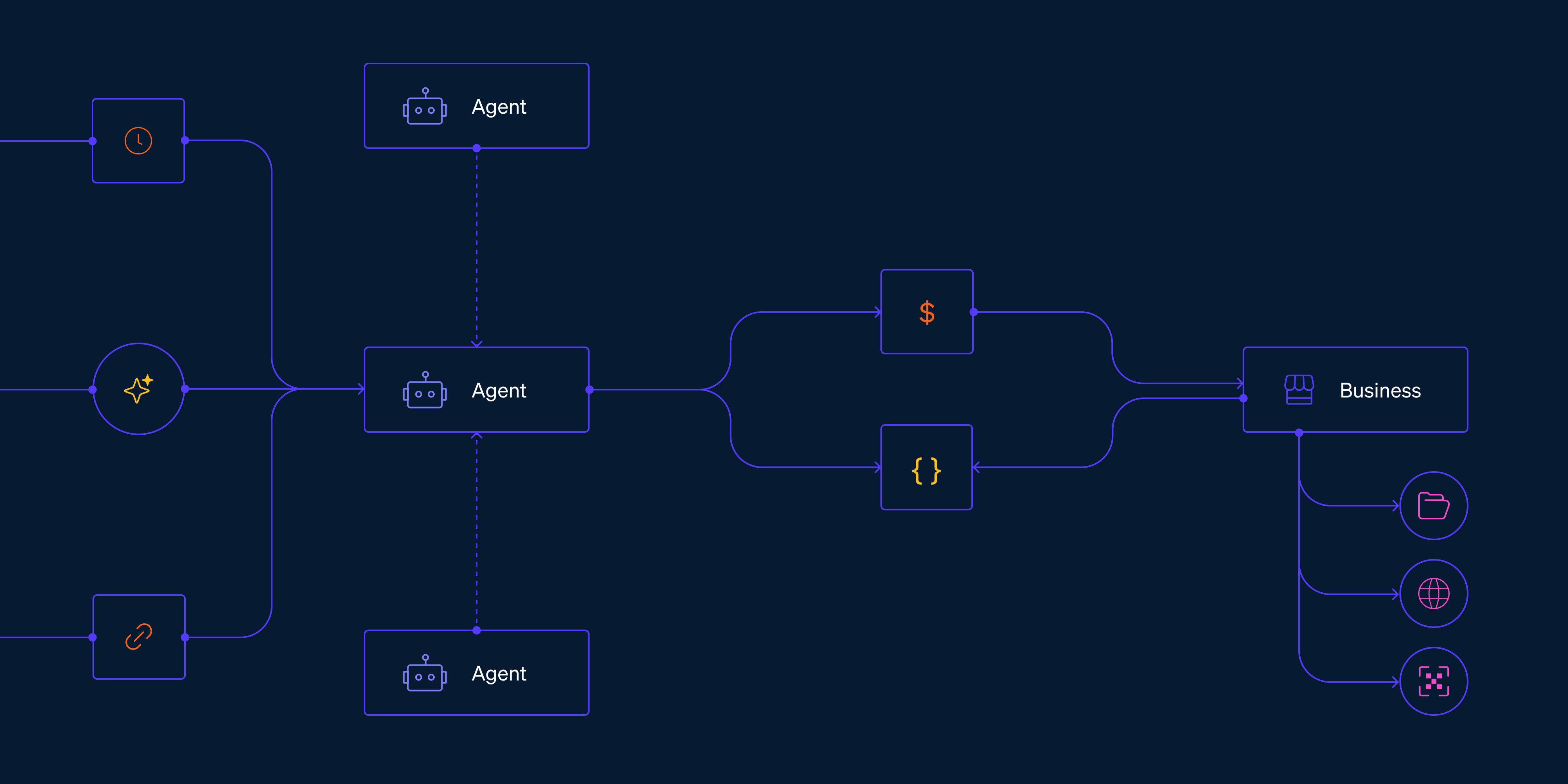
So, how does it work? The OwlPay Wallet Pro is designed from the ground up for AI agents. Forget complex private key management for the AI itself; the wallet allows AI assistants to send, receive, and manage stablecoins across Ethereum, Stellar, and Solana. The trick, and here’s where the human oversight—or lack thereof—becomes fascinating, is the built-in ‘agent skill’. This allows AI assistants to learn how to operate the wallet purely through natural language prompts. No manual configuration by the user. Think of it as teaching your digital assistant to handle your shopping securely, not by giving it your credit card details, but by providing it with a purpose-built, regulated financial conduit.
This is where the architecture gets interesting. Traditional payment systems are, to put it mildly, a mess for autonomous agents. They were built for human interaction, for two-factor authentication, for signatures. An AI agent doesn’t have fingers to tap a screen or a face to scan. OwlTing is betting that the demand for a wallet infrastructure that bridges AI and regulated finance—specifically tied to stablecoin settlement rails—is about to explode.
Regulatory Hurdles and Real-World Adoption
The company isn’t shy about its regulatory ambition. With money transmitter licenses in 40 US states and integration with Visa Direct for USDC transactions, OwlTing is clearly positioning itself as a compliant player. “Every AI agent that acts on behalf of a user will eventually need a compliant wallet layer,” says founder and CEO Darren Wang. That’s a bold claim, but one that underscores the immense potential if they can execute. The infrastructure, Wang emphasizes, needs genuine licensing, user-controlled custody (a nod to self-custody’s appeal), and payment rails built for this new paradigm.
This move also speaks volumes about the evolving narrative around stablecoins. They’re increasingly shedding their image as pure speculative assets and morphing into essential payment infrastructure. For OwlTing, the challenge now shifts from building the tech to convincing the market to adopt it. Getting developers, merchants, and AI platforms to trust and integrate a new, autonomous payment system is a monumental task, especially when many commercial use cases for AI payments are still in their infancy.
A Historical Echo?
There’s a historical parallel here that’s hard to ignore. Think back to the early days of the internet, when secure online transactions were a nascent, often terrifying concept. Companies that focused on building reliable, secure infrastructure—think early payment processors or trusted domain registrars—became indispensable. OwlTing is aiming for a similar role, but for the AI era. Their bet isn’t just on the technology; it’s on the inevitable march towards AI agents acting with financial agency, and the quiet but persistent need for regulated rails to support it.
Is this the future of commerce, or another niche product in the ever-expanding crypto universe? The answer hinges on adoption. If OwlTing can prove its model’s security, scalability, and compliance, it might just find itself building the digital wallets for a generation of autonomous financial actors.
🧬 Related Insights
- Read more: DeFi Theft Drops 89% in Q1 2026—But Crypto’s Security Problem Just Got More Dangerous
- Read more: TD Cowen Trims Strategy Target but Doubles Down on Ethereum’s Sharplink Bet
Frequently Asked Questions
What is agentic commerce? Agentic commerce refers to transactions where AI agents autonomously initiate and complete purchases or other financial activities on behalf of users, without direct human intervention for each transaction.
How does OwlPay Wallet Pro enable AI agents to transact? It allows AI assistants to send, receive, and manage stablecoins across supported blockchains by learning to operate the wallet through natural language interactions, removing the need for manual user configuration.
What is the market opportunity for AI-driven payments? McKinsey estimates agentic commerce could reach $3 trillion to $5 trillion in global consumer transactions by 2030, with the US retail market potentially accounting for up to $1 trillion of that figure.