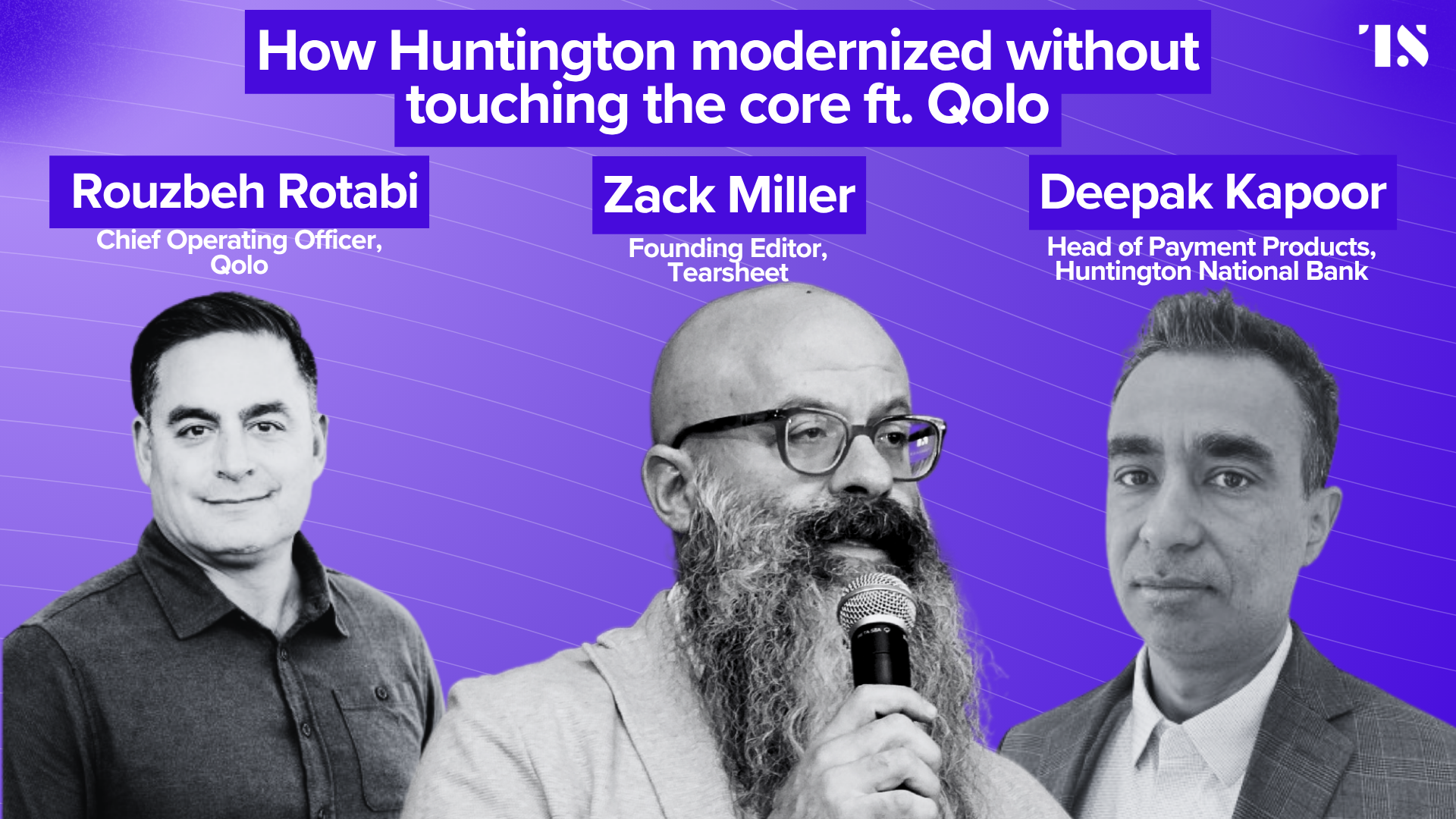
Franchise owners staring down a spreadsheet apocalypse—50 locations, 50 entities, endless manual reconciliations—now breathe easier. Huntington National Bank’s connected deposits, forged with Qolo, turns that chaos into a single, tidy net figure handed to the core ledger. No more weeks lost to accounting drudgery. Real people, the treasurers and CFOs running these operations, get API-driven flexibility that feels like magic, without their bank undergoing a multi-year core gutting.
This isn’t abstract tech theater. It’s a lifeline for businesses where cash flows splinter across borders, payrolls, payables, and collections—demands legacy cores can’t meet without buckling.
Why Banks Are Ditching Core Replacements
Core swaps? They’re the banking equivalent of rebuilding your house during a hurricane—five to seven years of torment, sky-high risks, every penny tracked through the storm. Huntington saw the folly. Instead, they augmented. Qolo’s virtual account infrastructure sits like a sleek control tower above the core, managing sub-accounts, routing numbers, inbound wires, all reconciling automatically. The core? It just logs the net debit or credit, blissfully ignorant of the complexity underneath.
Deepak Kapoor, Huntington’s Head of Payment Products, nailed it:
“We quickly realized we don’t have all the Lego pieces in place to build the card that we want to build, and the ledger and the virtual account provide us with that missing Lego piece that we needed.”
That Lego analogy lands because it’s spot-on: cores track debits and credits for statements; everything else—flexible services, real-time visibility—belongs in a modern layer.
Rouzbeh Rotabi, Qolo’s COO, frames the urgency across three crushing forces. Demographics first—younger treasurers reject dot-matrix drudgery, demanding digital-native tools. Structures next: e-commerce zips money globally; franchisees juggle dozens of entities. And infrastructure lags, flat while demands soar.
“[For] the banking infrastructure, it’s time for things to change, things to adapt. The consumer demands are becoming higher, and the banking infrastructure is staying flat,” noted Rotabi.
Huntington’s play? Connected deposits. Qolo holds the sub-ledger, reconciles daily, feeds one clean number back. Clients see full account-like behavior externally. Core stays pristine.
Building in-house? Kapoor dismissed it outright. “Building something in the core is very hard. For us, it became, how do we marry both the worlds and use capabilities that we can partner with versus build ourselves.” Smart—partnering accelerates without the bleed.
Three Forces Crushing Traditional Banking
Pressure mounts from everywhere. Younger CFOs—digital natives—won’t tolerate manual workarounds. Businesses fragment: one franchise group, 50 legal entities, no single account suffices. Cores, rigid by design, choke on this.
Qolo’s model reframes the core as a dumb ledger—debit, credit, done. Value layers above: APIs for payments, virtual ledgers for complexity. It’s augmentation, not replacement, echoing how cloud providers wrapped mainframes without tossing them.
Here’s the unique insight: this mirrors the PC revolution’s wraparound strategy. IBM’s mainframes didn’t die; DOS and Windows layered on, unlocking productivity without core annihilation. Banks today face a parallel pivot—augment or perish—positioning Qolo-like players as the Microsoft of fintech infrastructure. Bold prediction: by 2027, 40% of mid-tier banks adopt virtual ledgers, slashing core replacement projects by half.
Huntington’s rollout proves it works. Commercial clients get flexible services; ops teams dodge reconciliation hell; the core hums untouched. It’s not hype—it’s executable modernization.
Will Virtual Accounts Replace Bank Cores?
Not quite. Cores endure as the unshakeable ledger of record. But they’ll shrink to that role alone, commoditized while virtual layers explode with innovation. Qolo isn’t selling a full rewrite; it’s the bridge to a composable future.
Risks linger—integration hiccups, regulatory scrutiny on virtual structures. Yet Huntington’s live implementation debunks the naysayers. Most banks eye virtual management but hesitate, per Rotabi. Window’s closing.
Why Does Qolo’s Approach Matter for Treasurers?
Treasurers gain god-mode visibility: track funds per entity, automate everything, API-integrate with ERPs. No more 50-account sprawl. It’s the difference between wrestling octopuses and conducting an orchestra.
For banks, it’s faster innovation—launch products without core engineers. Scale to complex clients without ops meltdown. The fintech shift? Platforms on platforms, cores as foundations only.
This Qolo-Huntington duo spotlights augmentation’s triumph. Banks clinging to full replacements risk irrelevance. The future belongs to those layering smartly—delivering real value, today.
🧬 Related Insights
- Read more: Stablecoins, AI, and the 2026 Fintech Reckoning: What Insiders Actually Expect
- Read more: Fidelity Report: Digital Assets Stabilizing, Bitcoin Still King
Frequently Asked Questions
What are connected deposits at Huntington? Huntington’s connected deposits use Qolo’s virtual accounts to manage multiple sub-accounts for complex businesses, automating reconciliation and passing a single net to the core ledger.
How does Qolo help banks modernize without core replacement? Qolo layers a virtual ledger above the core, handling complexity like entity tracking and APIs, so banks innovate fast without touching the underlying system.
Is virtual account infrastructure safe for commercial banking? Yes—Huntington’s implementation shows it balances regulatory compliance with flexibility, mimicking real accounts externally while simplifying internal ops.