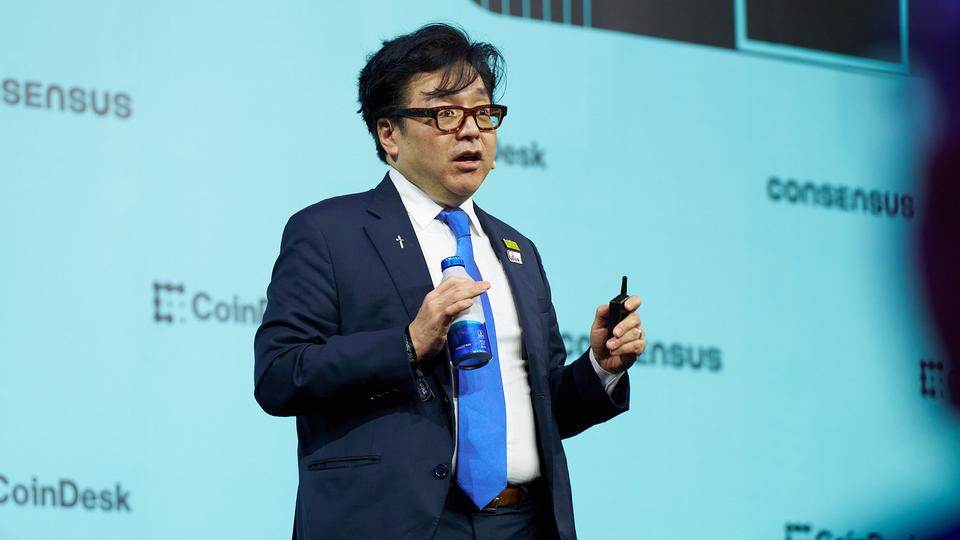
The floor dropped out from under Ethereum, and while many panicked, Bitmine saw a fire sale. Chairman Tom Lee confirmed the crypto investment firm snapped up more than 100,000 ETH as prices dipped below $2,200. This isn’t just a casual purchase; it’s a calculated maneuver pushing them alarmingly close to their stated goal of holding 5% of the entire Ethereum supply. Think about that for a second: one entity aiming to control such a significant chunk of a foundational decentralized network.
The Art of the Opportunistic Buy
What’s really interesting here isn’t just the sheer volume of ETH acquired – a move that’s bound to make ripples in the crypto markets – but the timing and the underlying philosophy. Bitmine isn’t just a retail investor throwing darts at a board. They’re a sophisticated player, and this acquisition speaks volumes about their long-term conviction in Ethereum’s potential, even amidst market volatility. Lee’s statement, stark and to the point, frames the recent price dip not as a crisis, but as a strategic window:
“We view the recent pullback of ETH to below $2,200 as an attractive opportunity.”
This isn’t the kind of language you hear from someone caught off guard. It’s the language of calculated execution. It implies they had a price point in mind, a trigger that activated their buying spree. This suggests a deeply embedded trading infrastructure capable of acting decisively when specific market conditions are met. The architectural shift here, from reactive trading to proactive, condition-based acquisition, is the real story.
A Centralized Force in a Decentralized World?
The pursuit of 5% of Ethereum’s supply by a single entity raises eyebrows. Ethereum, at its core, is about decentralization – distributing power and control. When a significant percentage of its circulating supply is concentrated in the hands of a few, it inevitably creates questions about governance, market manipulation, and the very ethos of DeFi. Is Bitmine simply a whale playing the market, or is this a sign of a growing trend where institutional players are consolidating control over key digital assets? It’s a tension that’s been brewing for years, and Bitmine’s actions are only amplifying the spotlight.
This push for accumulation mirrors historical trends in traditional finance, where major shareholders can wield considerable influence over company direction. While the blockchain’s public ledger offers transparency, the intent and impact of concentrated ownership remain subjects of intense debate. Are they simply believers in the technology, or are they positioning themselves for future use?
Beyond the Buy: What’s the Architecture?
Fintech Dose readers care about the ‘how’. How does Bitmine execute trades of this magnitude so swiftly? While specifics are often guarded secrets, we can infer a sophisticated blend of high-frequency trading infrastructure, direct access to liquidity pools, and perhaps even proprietary algorithms designed to minimize slippage and execution costs. Imagine a system that’s constantly monitoring market feeds, cross-referencing liquidity providers, and executing complex buy orders across multiple exchanges the moment a predetermined price threshold is breached. It’s not just about having the capital; it’s about having the technological plumbing to deploy it at precisely the right nanosecond.
This kind of operation requires more than just a few traders hunched over screens. It necessitates dedicated infrastructure, likely involving co-location services for reduced latency, high-bandwidth network connections, and an array of APIs designed for programmatic trading. The underlying architecture must be resilient, scalable, and, crucially, fast. The difference between executing a large buy order at $2,190 versus $2,210 can translate into millions of dollars in savings or cost, especially at this scale.
The Long Game and the 5% Threshold
Reaching the 5% mark isn’t arbitrary. It’s a significant milestone that bestows considerable influence. It places Bitmine squarely in the top tier of ETH holders, a position that could afford them a louder voice in protocol governance discussions down the line, or provide a strategic advantage in their broader investment portfolio.
As Ethereum continues its evolution – transitioning towards greater scalability and new functionalities – the players accumulating its native asset are key to understanding the network’s future trajectory. Bitmine’s aggressive stance in the face of market headwinds suggests they’re not just betting on short-term price appreciation, but on Ethereum’s fundamental utility and long-term viability. This isn’t just about making a quick buck; it’s about positioning for what comes next.
Will This Move Shift Market Dynamics?
The immediate impact of Bitmine’s purchase is likely to be a minor stabilization of ETH prices, absorbing some of the downward pressure. However, the more significant consequence is the psychological impact. It sends a strong signal of institutional confidence and can encourage other wary investors to consider entering or increasing their positions. It also underscores the increasing institutionalization of the crypto market, a trend that continues to reshape its landscape. Whether this leads to greater efficiency or new forms of centralized risk is a question that will unfold with every subsequent dip and rally.
🧬 Related Insights
- Read more: How Does a Blockchain Work?
- Read more: BloFin’s $5M Trading Championship: Human vs. AI Showdown
Frequently Asked Questions
What does Bitmine do? Bitmine is an investment firm focused on accumulating digital assets, particularly cryptocurrencies like Ethereum.
Is buying 5% of ETH supply bad for decentralization? Concentrated ownership of any asset, digital or traditional, can raise concerns about decentralization and potential influence over market dynamics and governance. The impact of Bitmine’s accumulation is a subject of ongoing debate within the crypto community.