The air in the press conference room was thick with the scent of stale coffee and corporate optimism. Another big idea, another round of glowing pronouncements.
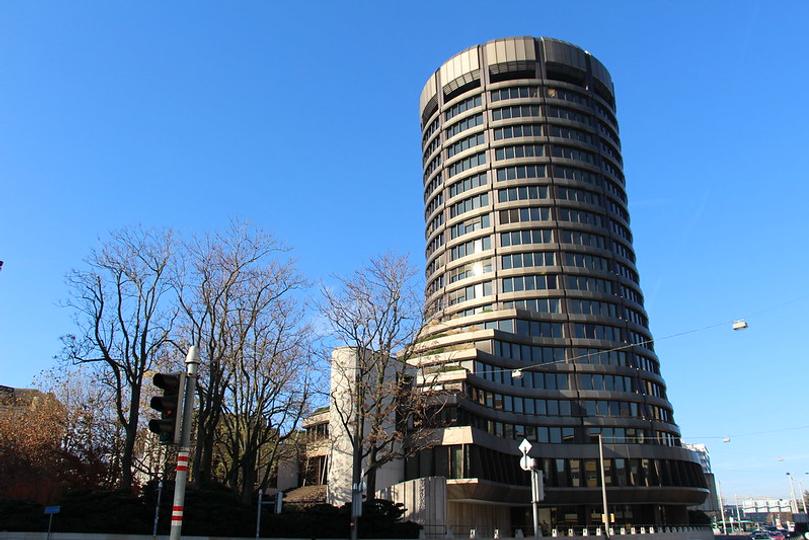
Look, I’ve been covering Silicon Valley and its financial cousins for two decades, and I’ve seen more shiny objects promise to reinvent the wheel than I care to count. This latest pronouncement from the Bank for International Settlements (BIS) about Project Agorá and tokenization potentially making cross-border payments faster and safer? It sounds… familiar.
On the surface, it’s all very neat. The BIS, the so-called “central bank for central banks,” has apparently concluded that by taking central bank reserves and commercial bank deposits and turning them into little digital tokens on a blockchain, we can achieve “atomic settlement” across currencies. Atomic settlement, for the uninitiated (and frankly, who isn’t these days?), means it’s all or nothing. No more one side of a payment getting paid while the other doesn’t. Reduced risk, they say. Faster settlement, they say. Safer, they say.
And who’s backing this grand vision? Major players, of course. The New York Fed, the Bank of England, the Bank of Japan – the usual suspects. They’ve moved from simulations to planning “real-value” testing. Which, if you ask me, is just a fancy way of saying they’re going to push actual money around on a digital ledger and see what happens. Groundbreaking.
The Perpetual Promise of Blockchain in Finance
This whole tokenization bandwagon is getting pretty crowded. Wall Street firms are hopping on, seeing it as the next big thing to modernize finance. We’re talking stocks, bonds, funds – all being put on blockchain rails. DTCC, the big clearing house, is doing it. Nasdaq and the NYSE? Yep, they’re getting in on the act too.
And why wouldn’t they? The current system for cross-border transfers is a relic. Money bounces between intermediary banks, taking days to settle, creating headaches and operational risks. The BIS report suggests tokenization and blockchain could iron out those wrinkles. Fewer delays, fewer failed payments. Sounds like a dream, right?
But here’s the kicker. The BIS, while singing the praises of its own project, can’t help but throw in a cautionary note about stablecoins. You know, those private digital currencies pegged to fiat money. Apparently, they could pose risks. And we need to regulate them faster. It’s almost as if they’re trying to have their cake and eat it too – championing private sector blockchain solutions while simultaneously warning about the potential pitfalls of private sector digital currencies. A classic move.
So, Who’s Actually Getting Rich Here?
This is the question that always hangs in the air, isn’t it? When you hear about these grand technological leaps, especially in finance, you have to ask: who is making money? Is it the end-user who finally gets their payment settled a day faster? Or is it the infrastructure providers building these new tokenized systems? Is it the consultants who advise on how to implement them? Is it the early investors in the blockchain startups that are suddenly looking very attractive?
Tokenization, at its core, is about creating digital representations of assets. If you can tokenize it, you can trade it more easily, theoretically. And easier trading often means more trading. More trading means more fees. More fees mean more profit for the platforms and intermediaries facilitating those trades. The BIS project might be focused on central bank money, but the private sector is clearly seeing dollar signs (or Euro signs, or Yen signs) in building the rails for this new tokenized world.
Consider the historical parallel: the internet boom. Everyone was talking about democratizing information, connecting the world. And sure, some of that happened. But the real winners were the companies that built the infrastructure – the ISPs, the search engines, the e-commerce platforms. They monetized the access and the transactions.
This feels like the same playbook. We’re being sold on the efficiency, the speed, the safety. All good things. But underneath the hood, there’s a massive opportunity to build new financial plumbing, charge for its use, and potentially, control how assets move in the future. The BIS might be nudging this along with an academic bent, but the financial institutions involved, and the tech companies eager to partner with them, have much more tangible profit motives.
My unique insight here? The BIS is essentially de-risking the concept for the big banks. By running these high-profile experiments with major central banks, they’re giving institutional players the cover they need to accelerate their own (far more commercially driven) tokenization initiatives. It’s a subtle but powerful validation.
Will this truly revolutionize cross-border payments for everyone? Maybe. But don’t be surprised if the real beneficiaries aren’t the ones sending small remittances home, but the ones building the digital highways they’ll eventually travel on.
“Project Agorá, a joint effort between the BIS, seven central banks and more than 40 private financial institutions, concluded that tokenized central bank reserves and commercial bank deposits could support atomic settlement across currencies and jurisdictions.”
It’s a bold claim, and the move toward real-value testing is certainly a step beyond theoretical musings. But after years of hearing about blockchain’s potential to fix everything from coffee supply chains to election integrity, my skepticism remains firmly intact. Let’s see who’s holding the bag when the music stops.
Common Misconceptions About Tokenization
One of the biggest misconceptions is that tokenization itself is the magic bullet. It’s a technology, a tool. Its effectiveness depends entirely on the underlying infrastructure, the regulatory environment, and the business models built around it. Simply slapping a token on an asset doesn’t automatically make it faster or cheaper. That’s like saying a new kind of paint will make your car go faster – it might look good, but the engine is what truly matters.
Another pitfall is conflating tokenization with cryptocurrencies like Bitcoin. While both use blockchain technology, tokenized assets on a project like Agorá are designed to represent real-world value (like central bank money) and are subject to a different set of controls and regulations. They’re not the Wild West of decentralized finance; they’re more like highly regulated digital IOUs.
🧬 Related Insights
- Read more: Ex-SEC Chief Redfearn Joins Securitize to Turbocharge Tokenized Markets
- Read more: Bitcoin’s Bollinger Bands Hit 2024’s Tightest Squeeze — 40% Swing Looms as Bittensor Implodes
Frequently Asked Questions
What does Project Agorá actually do? Project Agorá is an experiment by the Bank for International Settlements (BIS) and several central banks to test whether tokenizing central bank money and bank deposits can make cross-border payments faster and safer.
Will this replace traditional payment systems like SWIFT? Potentially, yes. The goal is to create a more efficient system that could eventually reduce reliance on older, slower correspondent banking networks. However, a complete replacement is a long way off and would require widespread adoption and regulatory approval.
Is this the same as Bitcoin? No, Project Agorá deals with tokenized central bank money and commercial bank deposits, which are fundamentally different from decentralized cryptocurrencies like Bitcoin. These tokens are designed to be used within a regulated financial system.