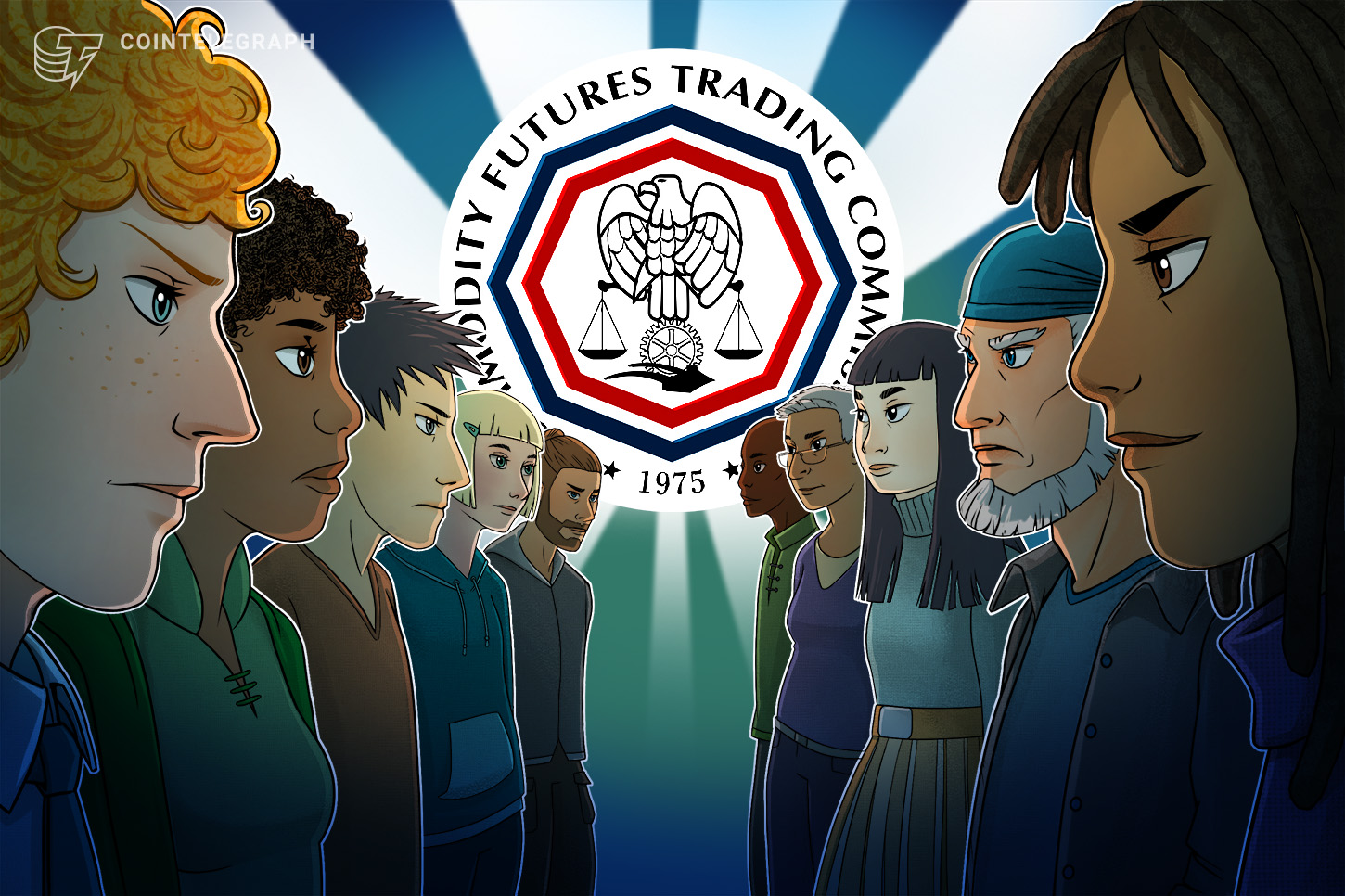
The digital ink on Andreessen Horowitz’s letter to the CFTC was barely dry before the ripple effect began. It’s a move that positions the powerful VC firm squarely in the corner of regulatory bodies, not against them, in the increasingly heated battle over prediction markets. Forget the usual startup playbook of pushing back against all forms of oversight; here, a16z is playing a different game, one that might just redefine how innovation and regulation dance in the fintech arena. This isn’t just about Kalshi or Polymarket; it’s about the underlying infrastructure of information and belief that these platforms are attempting to digitize.
The core of the argument, laid out in that formal correspondence, hinges on a fundamental disagreement about jurisdiction and the nature of the instruments themselves. States, driven by concerns often rooted in gambling or securities law interpretations, have been moving to outright ban these prediction markets. Think of it as a digital Wild West, where state sheriffs are trying to impose their own brand of law. But a16z, in its filing, is essentially saying, ‘Hold on a minute. This falls under federal purview, and here’s why.’”
Why the States Are Getting Involved
It’s easy to see why states are jumping into the fray. Prediction markets, where users bet on the outcomes of future events—anything from election results to tech product launches—can look an awful lot like unregulated gambling. The volume is staggering, too. Cointelegraph reported monthly trading volume hitting $25.7 billion in March, with a significant chunk coming from retail traders. That’s a lot of money changing hands on an outcome, and for many state regulators, it triggers immediate alarm bells. Their mandate is often consumer protection, and if it walks like a duck (i.e., a potentially predatory betting platform), they’re going to try and quack it down.
Polymarket, for instance, has been in a tense negotiation with the CFTC to lift a ban that’s kept U.S. users locked out of its main platform since a 2022 settlement. A $1.4 million penalty was paid, and an agreement to block U.S. customers over unregistered event contracts was struck. A full return to the U.S. market for platforms like Polymarket would require a formal commission vote, a process that might be expedited by the current vacancies among the CFTC’s commissioners. It’s a complex dance of legal settlements, regulatory approvals, and market access.
But a16z’s intervention throws a wrench into the state-led narrative. Their letter isn’t just a passive observation; it’s an active plea for a federal approach, one that recognizes the potential of these markets while working with existing federal regulators. It suggests a sophisticated understanding that while states can apply brakes, a coherent national policy requires federal guidance.
“The argument is not that these markets should be left entirely unchecked, but that the framework for oversight should be consistent and federally determined, rather than fragmented by state-by-state bans.”
The Architect of the Argument: Federal Jurisdiction
Here’s where the deep dive gets interesting. a16z isn’t just arguing from a place of wanting their portfolio companies to thrive (though, let’s be honest, that’s a significant factor). They’re making an architectural argument about how financial markets, especially those that deal in information and derivatives, ought to be regulated in the digital age. Their filing seems to posit that prediction markets, by their very nature, fall under the purview of federal entities like the CFTC, which oversees derivatives and commodity markets. The claim is that these markets are not simply wagers on discrete events but are, in essence, complex financial instruments that aggregate and disseminate public information.
Think about it: if you can buy a contract that pays out if a specific piece of legislation passes, or if a particular company’s stock hits a certain price, are you just gambling? Or are you participating in a market that efficiently prices the probability of that event occurring? a16z seems to be betting on the latter. They’re arguing that these markets are sophisticated tools for price discovery and information aggregation. Their position is that states, in banning them, are not only stifling innovation but are also interfering with a federal regulatory domain. It’s a move that advocates for a unified, national regulatory approach over a patchwork of state-specific prohibitions. This isn’t just about fintech; it’s a fundamental question about how we govern the flow of information and belief in a connected world.
The implications here are vast. If a16z’s argument gains traction, it could lead to a significant shift in how prediction markets are regulated across the United States. Instead of a constant battle with individual states, platforms could potentially operate under a more defined federal framework. This would create a clearer path for growth and investment, something any venture capitalist would champion. But it also means that platforms would need to comply with CFTC regulations, which could be stringent. It’s a trade-off: less regulatory uncertainty, perhaps, but potentially more strong compliance requirements.
Beyond the Hype: What Does This Mean for the Future?
This isn’t just a legal squabble; it’s a microcosm of the larger tension between innovation and regulation in finance. The rise of prediction markets, alongside other decentralized finance (DeFi) innovations, presents regulators with a stark choice: adapt or risk becoming irrelevant. a16z’s stance, while self-serving in its ambition to foster a fertile environment for its investments, also highlights a valid point about regulatory coherence. A fragmented regulatory landscape is a breeding ground for arbitrage and uncertainty, which can stifle even the most promising technologies.
The question then becomes: is the CFTC ready to embrace this new frontier? And if so, what will that oversight look like? Will it be a rubber stamp, or a heavy hand? The answer will shape not just prediction markets, but potentially how other novel financial instruments are treated going forward. It’s a high-stakes game of regulatory chess, and a16z has just moved a major piece.
🧬 Related Insights
- Read more: DeFi Theft Drops 89% in Q1 2026—But Crypto’s Security Problem Just Got More Dangerous
- Read more: GSR’s Tokenization Bet with Libeara: Web3 Dreams or Another Crypto Mirage?
Frequently Asked Questions
What is a16z’s stance on prediction markets? Andreessen Horowitz (a16z) is supporting the Commodity Futures Trading Commission (CFTC) in arguing against state bans on prediction markets, advocating for federal oversight rather than state-level prohibition.
Will this help Polymarket and Kalshi return to all US users? While a16z’s support could influence regulatory discussions, platforms like Polymarket will still need to undergo formal CFTC approval processes and potentially meet specific compliance requirements to fully serve U.S. customers.
Are prediction markets considered gambling? Regulators and legal scholars have differing views. Some states consider them akin to gambling, leading to bans, while others, and proponents like a16z, argue they function more as financial derivatives that aggregate information and should fall under federal commodities or securities regulation.