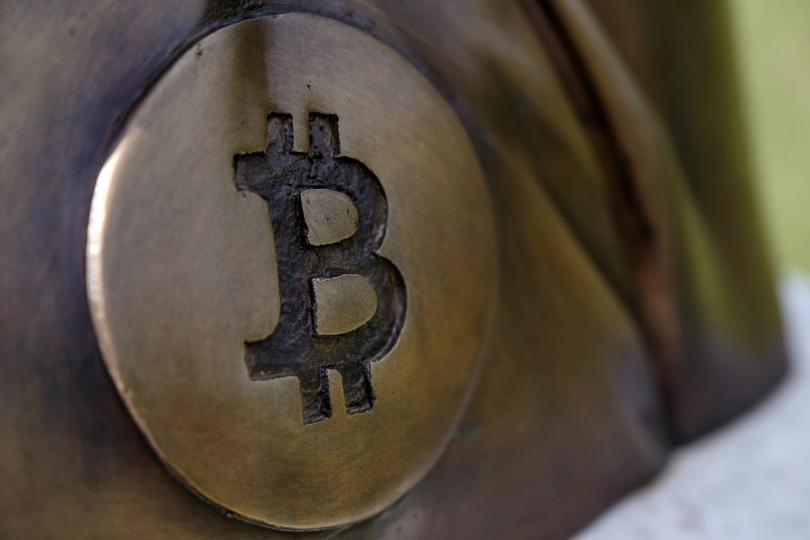
Digital Collateral, Not Gold.
Look, we’ve all heard the breathless pronouncements. Bitcoin is this, Bitcoin is that. Inflation hedge? Safe haven? Digital gold? Please. Most of it reads like desperate sci-fi, frankly. And if you’re still peddling lunar data centers to mine asteroid gold — yeah, you’re probably part of the problem. This entire space thrives on narratives, and most of them are as stable as a house of cards in a hurricane.
But here’s the thing. Even in the circus of crypto punditry, there’s sometimes a kernel of truth, however accidental. And ironically, it’s coming from the very people who used to scoff loudest. Jamie Dimon’s quips about “pet rocks” might be amusing, but his institution, JPMorgan, is actually helping solidify Bitcoin’s new, arguably more sustainable narrative: it’s not digital gold, it’s a digital collateral asset. The real question isn’t if it is collateral, but how much of the global financial system it’s going to end up underpinning.
We’re witnessing a fundamental shift, a quiet integration into the very plumbing of traditional finance. JPMorgan is letting clients use Bitcoin-linked assets, and potentially Bitcoin itself, as collateral for loans. Morgan Stanley, BlackRock – these aren’t small players. They’re building Bitcoin exposure into lending frameworks, complex structured products, and portfolio margin systems. And with cheaper ETFs and new retail accounts from the likes of Charles Schwab, it’s only going to become more mainstream. Wall Street, it seems, has finally decided Bitcoin is worth collateralizing.
The Identity Crisis of Bitcoin
For the last decade, Bitcoin’s identity has been a revolving door. One moment it’s an inflation hedge, the next a proxy for global liquidity. Then, digital gold. Geopolitical safe haven. Most recently, the poster child for institutional adoption. Each of these stories has had its moment in the sun, drawing in fresh capital and fueling hype cycles. But in this current economic climate, they’ve all, one by one, spectacularly failed to hold.
Instead of acting as a shield during market turbulence, Bitcoin is increasingly mirroring the behavior of collateral under pressure. It’s amplifying liquidity contractions through forced deleveraging. Institutional adoption, far from dampening volatility as promised, seems to be contributing to it. This is a crucial pivot, and it directly explains the rather dismal price action we’ve seen lately.
When an asset morphs into collateral, its price dynamics fundamentally change. It’s no longer just sitting there, passively held. It’s being borrowed against, use, rehypothecated. And, crucially, it’s subject to liquidation. This introduces a reflexive loop, a dynamic that’s all too familiar in traditional markets but has been largely underappreciated in the crypto world.
Think about it: prices fall, collateral values tank. Collateral values tank, margin calls go out. Margin calls trigger forced selling. That selling, in turn, drives prices even lower. It’s a self-reinforcing feedback loop, precisely how collateralized systems operate in equities, real estate, and commodities. Bitcoin is now firmly in that same regime.
The Barometer of Risk Appetite
So, the new narrative, the one that’s likely to stick, is that Bitcoin is emerging as the world’s first globally traded, neutral, programmable collateral asset. It’s the canary in the coal mine for liquidity conditions, a high-duration, zero-cash-flow asset that’s incredibly sensitive to those conditions.
In practical terms, this means Bitcoin now functions as a use barometer for global risk appetite. When liquidity flows freely and expands, Bitcoin can surge dramatically. But even a marginal tightening of liquidity tends to send it tumbling first. In multiple recent market downturns, Bitcoin has led equities lower, sometimes by days or even weeks, acting less like a protector and more like an early warning sign of impending stress.
Consider the past five months. Bitcoin experienced a massive drawdown against a macroeconomic backdrop that should have been supportive: inflation remained sticky, global liquidity had stabilized and was showing signs of expansion, geopolitical tensions persisted, and traditional markets like the S&P 500 and gold had been performing strongly until very recently. If Bitcoin were truly tied to these forces as a hedge or safe haven, it should have held its ground, or even thrived. It did neither.
The idea that it’s an inflation hedge is laughable. It’s down 50% in five months; it front-ran the wipeout in equities, it didn’t hedge it. And other popular narratives? Equally flimsy. The supposed link to global M2 money supply has proven wildly inconsistent, swinging from positive to negative correlations within the same cycle. The same goes for its relationship with gold and equities – long-term data shows correlations that cluster near zero, despite short-term spikes during specific market phases.
This pivot to collateral means that Bitcoin’s price action is now inextricably linked to the financial plumbing it’s becoming a part of. It’s no longer just about scarcity or demand; it’s about use, margin calls, and forced liquidations. This is a more sophisticated, and arguably more mature, role for the asset. But it also means that its days as a purely speculative, uncorrelated moonshot are likely over. It’s now part of the machine, for better or worse.
This is a significant departure from the early days. Twenty years in this industry, and I’ve seen plenty of assets try to find their footing. Most fail. Bitcoin, in its own chaotic way, seems to be finally settling into a role that traditional finance understands—and, more importantly, can profit from. Who’s making money? The institutions integrating it, and potentially, the traders who learn to read its new, collateral-driven signals.
Is Bitcoin still a safe haven?
No. The evidence suggests Bitcoin is now acting more like a risk-on asset that is highly sensitive to liquidity conditions. Its recent price action, leading equities lower during periods of tightening liquidity, contradicts the notion of a safe haven.
What does it mean for institutional adoption?
It means institutions are increasingly viewing Bitcoin not just as a speculative asset, but as a component within existing financial infrastructure. Its role as digital collateral opens up new avenues for lending, structured products, and portfolio management, signifying a deeper integration into traditional finance.
Will this make Bitcoin more volatile?
The essay argues that Bitcoin’s new role as collateral could actually increase volatility. The reflexive dynamic of margin calls and forced liquidations in a collateralized system can amplify price swings, particularly during periods of liquidity contraction.